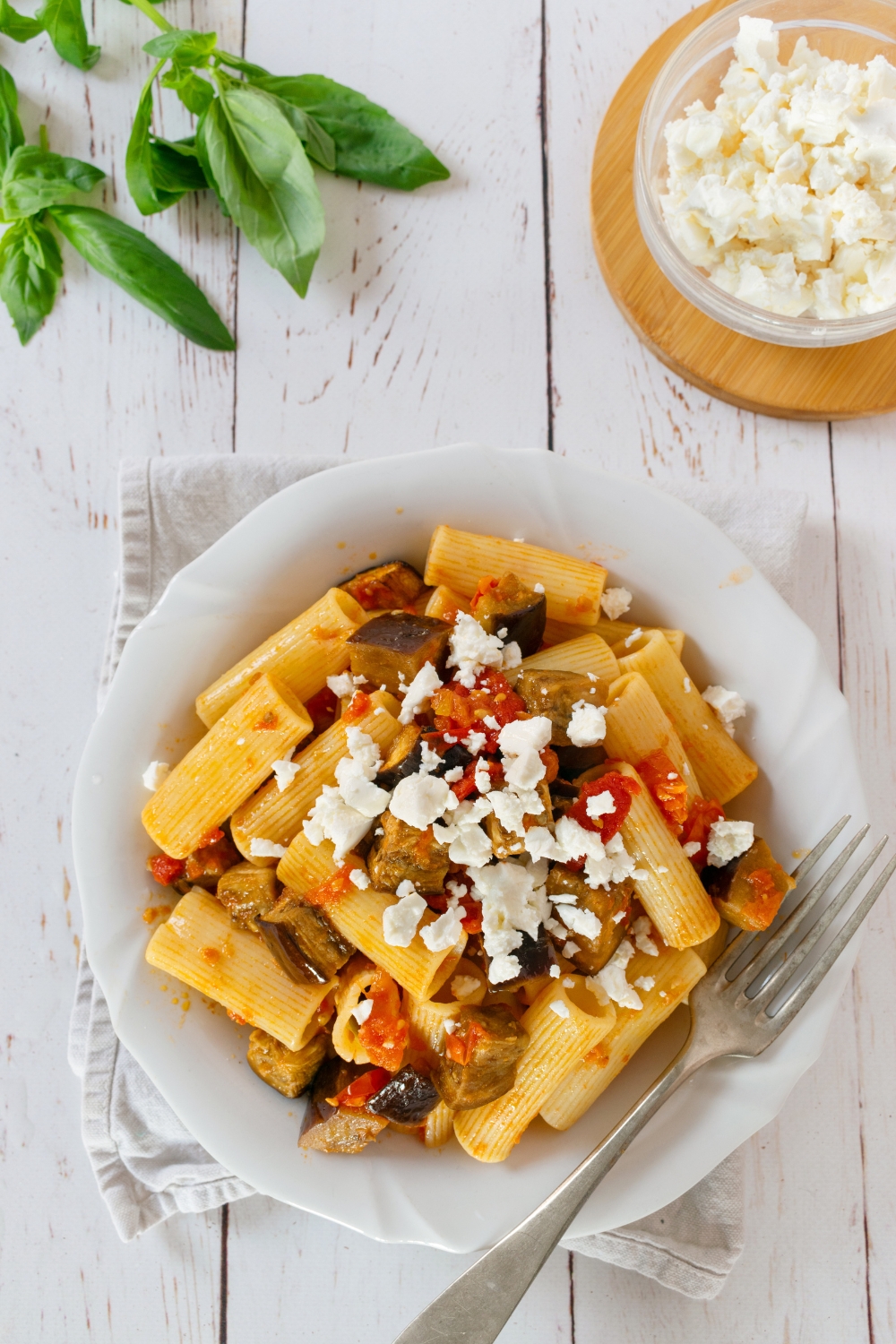
Pasta alla Norma is a classic Sicilian pasta dish that brings together some of the best flavors of southern Italian cooking: tender eggplant, sweet tomatoes, garlic, fresh basil, extra virgin olive oil, and salty cheese. Simple yet incredibly satisfying, this recipe transforms a handful of everyday ingredients into a comforting meal with plenty of Mediterranean character.
The combination of golden-brown eggplant and rich tomato sauce is what makes Pasta alla Norma so special. The eggplant is cooked until tender and lightly caramelized, giving it a deep, savory flavor that complements the bright acidity of the tomatoes. Fresh basil adds a fragrant finish, while ricotta salata provides a salty, creamy contrast.
This recipe serves four and takes about 40 minutes of active preparation and cooking, plus an optional 30 minutes for salting the eggplant. Although the traditional preparation uses ricotta salata, regular ricotta can be substituted for a softer, creamier finish.
Pasta alla Norma is also a wonderful example of how Italian cooking can be both comforting and vegetable-forward. Eggplant, tomatoes, garlic, olive oil, and fresh herbs are all staples of Mediterranean cuisine, and the recipe fits naturally alongside the principles of the Mediterranean diet. It’s a delicious choice for a weeknight dinner, Sunday meal, or relaxed gathering with family and friends.
How to make Pasta alla Norma
The first step in making Pasta alla Norma is preparing the eggplant. Cut one medium eggplant into approximately 1-inch cubes and place the pieces in a colander. Sprinkle them with 1 teaspoon of salt and let them sit for about 30 minutes.
Salting the eggplant is optional, but it can help draw out some excess moisture and improve the texture. After 30 minutes, rinse the eggplant thoroughly and pat it completely dry with a clean kitchen towel. Removing excess moisture is especially important because it helps the eggplant brown rather than steam when it hits the hot oil.
Heat 3 tablespoons of extra virgin olive oil in a large skillet over medium heat. Add the eggplant in batches, making sure not to overcrowd the pan. Fry the cubes until they are golden brown on the outside and tender inside. Depending on the size of your skillet, you may need to cook the eggplant in two or more batches.
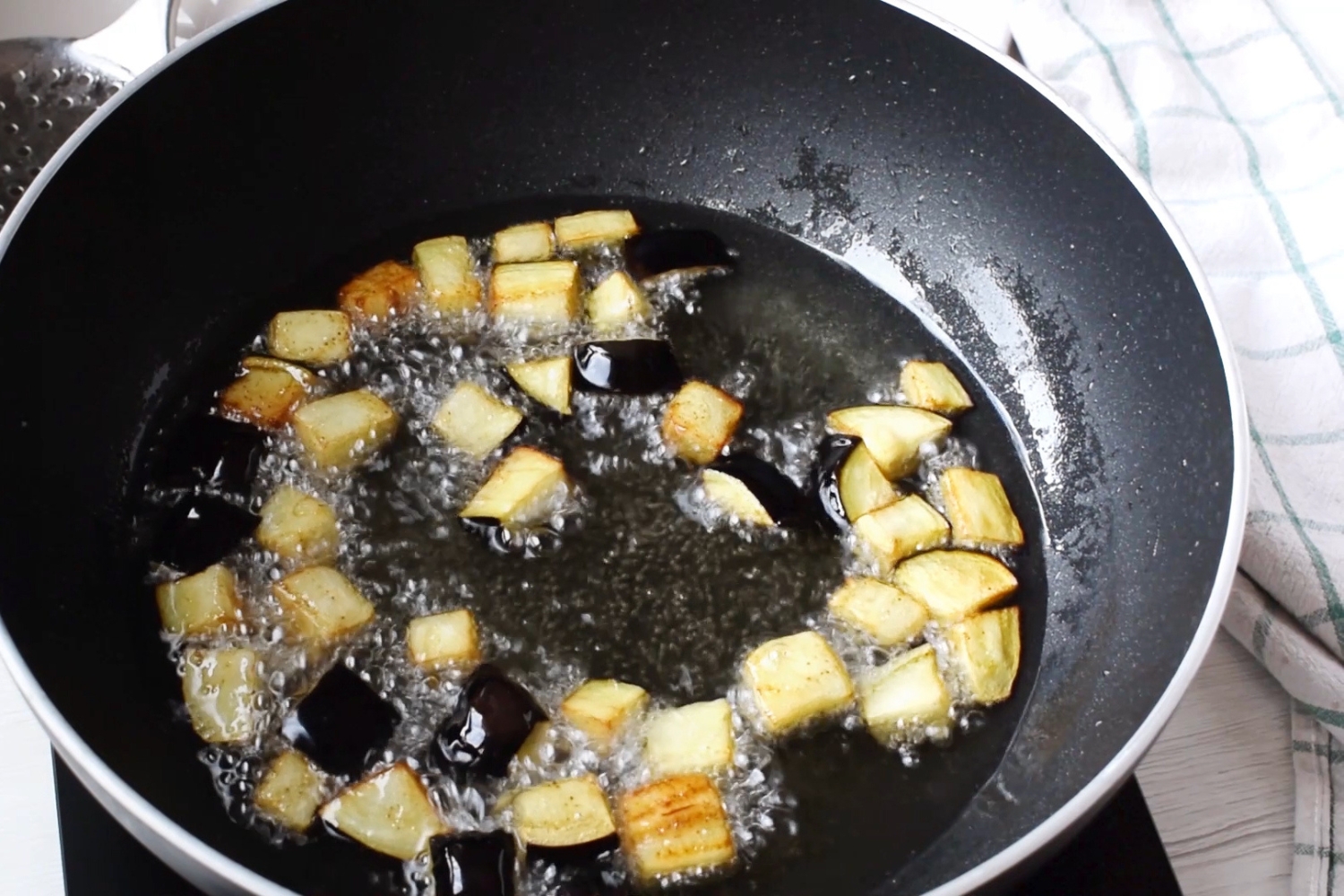
Once cooked, transfer the eggplant to a paper towel-lined plate using a slotted spoon. Set it aside while you prepare the tomato sauce.
Using the same skillet allows the sauce to pick up some of the delicious flavor left behind by the eggplant. Add the remaining olive oil and thinly sliced garlic. Cook the garlic for about one minute, just until fragrant. Be careful not to let it brown too much, as burnt garlic can become bitter.
Add the crushed San Marzano tomatoes or peeled, crushed fresh tomatoes to the skillet. Stir in the optional crushed red pepper flakes, dried oregano, salt, and freshly ground black pepper. Bring the sauce to a gentle simmer and cook for about 15 minutes, stirring occasionally.
While the tomato sauce simmers, bring a large pot of generously salted water to a boil. Add your pasta and cook according to the package directions until al dente. Spaghetti and rigatoni are traditional choices, but other shapes can work as well.
Before draining the pasta, reserve ½ cup of the starchy cooking water. Drain the pasta and set it aside.
Stir the cooked eggplant into the tomato sauce, then add the pasta directly to the skillet.
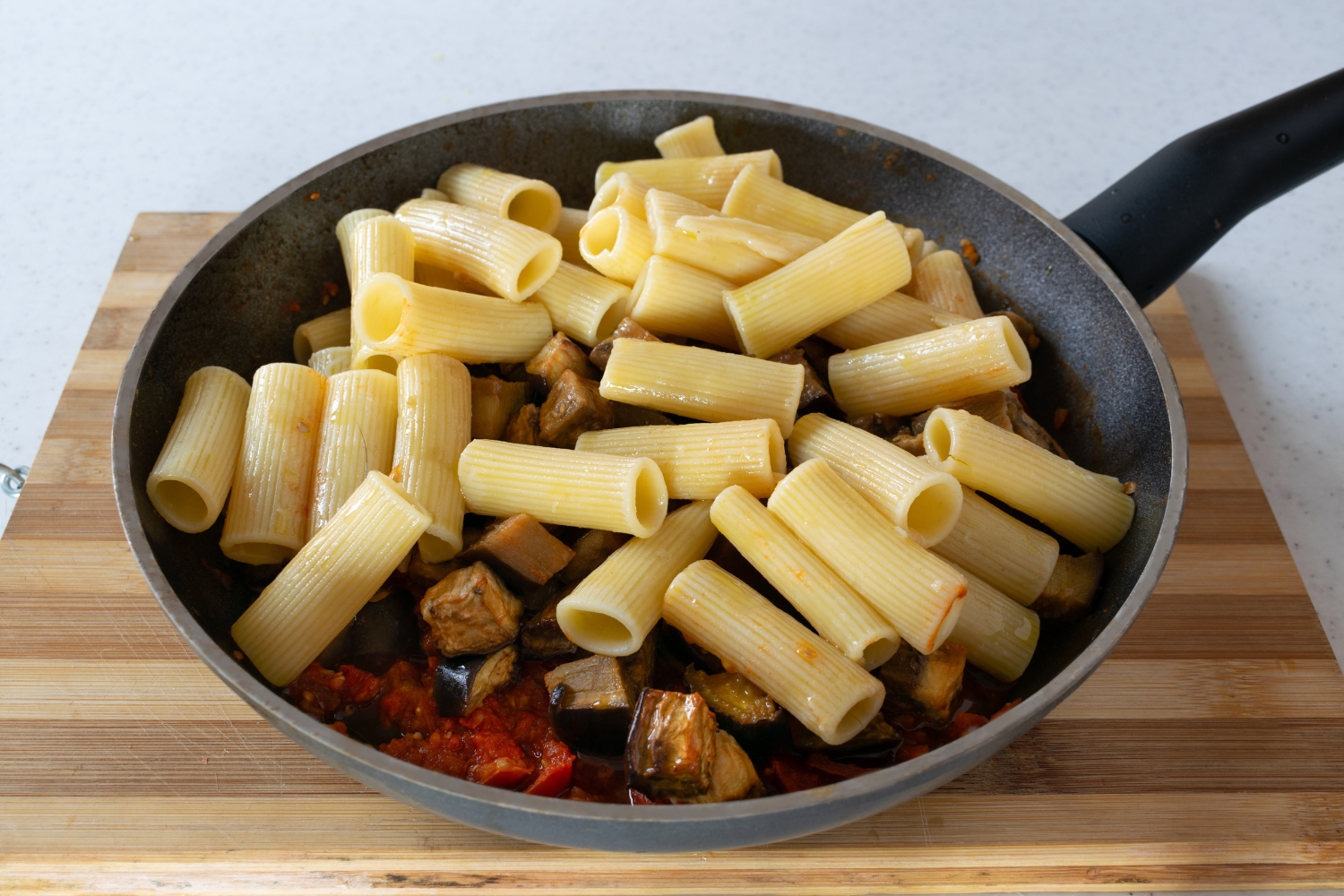
Toss everything together until the noodles are thoroughly coated. If the sauce seems too thick, add a small splash of the reserved pasta water and toss again.
Divide the finished Pasta alla Norma among four bowls. Finish each serving with plenty of fresh basil and a generous sprinkle of grated or crumbled ricotta salata. If you’re using regular ricotta instead, spoon it over the top for a softer and creamier finish.
Serve immediately while the pasta is hot.
Helpful tips and tricks
A few simple techniques can make a big difference when preparing Pasta alla Norma at home.
Don’t overcrowd the skillet. Eggplant needs room to brown properly. Cooking it in batches allows each piece to develop a golden exterior and prevents it from becoming soggy.
Dry the eggplant well. If you choose to salt the eggplant, make sure you rinse and thoroughly pat it dry. Excess water can cause the oil to splatter and make browning more difficult.
Use enough oil for browning. Eggplant is naturally absorbent, so it can soak up oil quickly. Keep an eye on the skillet and add a little more if necessary, but avoid letting the eggplant become greasy.
Choose flavorful tomatoes. Good-quality canned San Marzano tomatoes make an excellent sauce, especially when fresh tomatoes aren’t at their peak. During tomato season, ripe fresh tomatoes can also be used.
Don’t rush the sauce. Even though the tomato sauce is simple, allowing it to simmer for 15 minutes helps concentrate the flavors and soften the acidity of the tomatoes.
Save the pasta water. The starchy cooking water is an easy way to loosen the sauce while helping it cling to the pasta.
Cook the pasta al dente. Since the pasta is tossed with the warm sauce before serving, cooking it until just tender gives it the best texture.
Don’t skip the basil. Fresh basil adds a bright, aromatic quality that balances the richness of the eggplant and olive oil.
Use ricotta salata when possible. Ricotta salata is a firm, salted version of ricotta with a crumbly texture. It adds a distinctive salty finish to traditional Pasta alla Norma.
What to serve with Pasta alla Norma
Pasta alla Norma is satisfying enough to serve as a complete meal, particularly when paired with a simple vegetable side or salad.
A crisp green salad dressed with olive oil and lemon makes an excellent accompaniment. The bright acidity of the dressing balances the richness of the eggplant and tomato sauce.
For another vegetable-forward option, serve the pasta with roasted zucchini, broccoli, asparagus, or bell peppers. These sides complement the Italian flavors without overwhelming the main dish.
If you’re serving Pasta alla Norma as part of a larger Italian-inspired meal, start with a simple antipasto platter featuring olives, roasted peppers, marinated artichokes, and fresh vegetables.
A side of white beans or chickpeas can also provide additional plant-based protein and make the meal even more substantial.
Because the dish already contains pasta, eggplant, tomato, and cheese, there’s no need for an elaborate side. Keeping the accompaniments simple allows the flavors of the main course to remain the focus.
Storage and Leftovers
Pasta alla Norma can be stored in the refrigerator, making it a convenient option for meal prep and leftovers. Allow the pasta to cool before transferring it to an airtight container. Refrigerate for up to three days.
When reheating, add the pasta to a skillet with a small splash of water. Warm it gently over medium-low heat, stirring occasionally until heated through. Adding a little water helps loosen the tomato sauce and prevents the pasta from becoming dry.
You can also reheat individual portions in the microwave. Cover the bowl loosely and heat in short intervals, stirring between each interval.
For the best texture, reserve a little fresh basil and ricotta salata to add after reheating. Fresh toppings help brighten the leftovers and make them taste more like a freshly prepared meal.
If you anticipate having leftovers, you can also store the pasta and sauce separately when possible. This helps preserve the texture of the pasta and makes reheating easier.
Freezing is possible, but the texture of the eggplant may become softer after thawing. If you do freeze it, store the cooled pasta in a freezer-safe airtight container and use it within a couple of months for the best quality.
Health Benefits
Pasta alla Norma is a flavorful example of vegetable-forward Mediterranean cooking. The recipe features eggplant, tomatoes, garlic, olive oil, and fresh basil, all of which contribute valuable nutrients and flavor.
Eggplant is a source of dietary fiber and contains naturally occurring antioxidants. Its meaty texture also makes it particularly satisfying in plant-forward meals.
Tomatoes provide vitamin C, potassium, and antioxidants, including lycopene. Cooking tomatoes with olive oil can create a particularly flavorful combination while allowing the fat-soluble compounds in tomatoes to be enjoyed as part of the meal.
Extra virgin olive oil is a central ingredient in the Mediterranean diet and provides primarily monounsaturated fats. It also adds richness without requiring butter or heavy cream.
Garlic and fresh basil contribute additional plant compounds and allow the dish to develop plenty of flavor without relying on a complicated sauce.
Ricotta salata provides protein and calcium, while regular ricotta offers a softer alternative with its own creamy texture.
Of course, pasta is also an important source of carbohydrates, making this dish satisfying and energizing. Pairing it with a fresh salad or additional vegetables can create a balanced meal that fits comfortably within a Mediterranean-inspired eating pattern.
FAQs
What does Pasta alla Norma mean?
Pasta alla Norma is a traditional Sicilian pasta dish made with pasta, eggplant, tomato sauce, basil, and ricotta salata. It is named after Norma, the famous opera by Sicilian composer Vincenzo Bellini.
Do I have to salt the eggplant?
No. Salting the eggplant is optional. It can help remove some moisture and is useful when you want especially tender, well-browned eggplant. Modern eggplant varieties are generally less bitter than older varieties.
Can I bake the eggplant instead of frying it?
Yes. Toss the cubed eggplant with olive oil and roast it in a hot oven until golden and tender. This method can reduce the amount of oil used while still producing delicious results.
What pasta shape is best?
Spaghetti is a traditional choice, but rigatoni is also excellent because its ridges and hollow shape hold onto the tomato sauce and small pieces of eggplant. Penne, bucatini, or another sturdy pasta can also be used.
What is ricotta salata?
Ricotta salata is a firm, salted version of ricotta cheese. Unlike fresh ricotta, it has a dry, crumbly texture and is typically grated or crumbled over pasta and salads.
Can I use regular ricotta?
Yes. Regular ricotta makes a delicious substitute, although the result will be creamier and less salty than the traditional version. Add it just before serving.
Can I make Pasta alla Norma vegetarian?
Yes. This recipe is naturally vegetarian. If using a store-bought cheese, check the ingredients if you need to ensure it is made without animal rennet.
Can I make this dish spicy?
Absolutely. Add more crushed red pepper flakes to the tomato sauce if you enjoy a little heat. You can also finish individual servings with additional red pepper flakes.
Pasta alla Norma is a beautiful example of Sicilian cooking at its best: simple ingredients, thoughtful preparation, and plenty of bold Mediterranean flavor. Golden eggplant, rich tomato sauce, fragrant garlic, fresh basil, and salty ricotta salata come together with tender pasta to create a comforting meal that feels both rustic and special. Whether you make it for a weeknight dinner or serve it as part of a larger Italian-inspired meal, this Pasta alla Norma is a delicious way to enjoy more vegetables while embracing the fresh, wholesome spirit of the Mediterranean diet.