Anise Cookies (Kaak Bi Yansoon): A Traditional Mediterranean Treat
Lebanese anise cookies, or Kaak Bi Yansoon in Arabic, are a classic Middle Eastern cookie known for their simple ingredients, crunchy texture, and distinctive flavor. Made with anise seeds and olive oil, these cookies are enjoyed across Lebanon and throughout the Mediterranean region, often served with coffee or tea. The recipe is easy to make, deeply aromatic, and tied to family traditions that go back generations.
A Taste of Home and Heritage
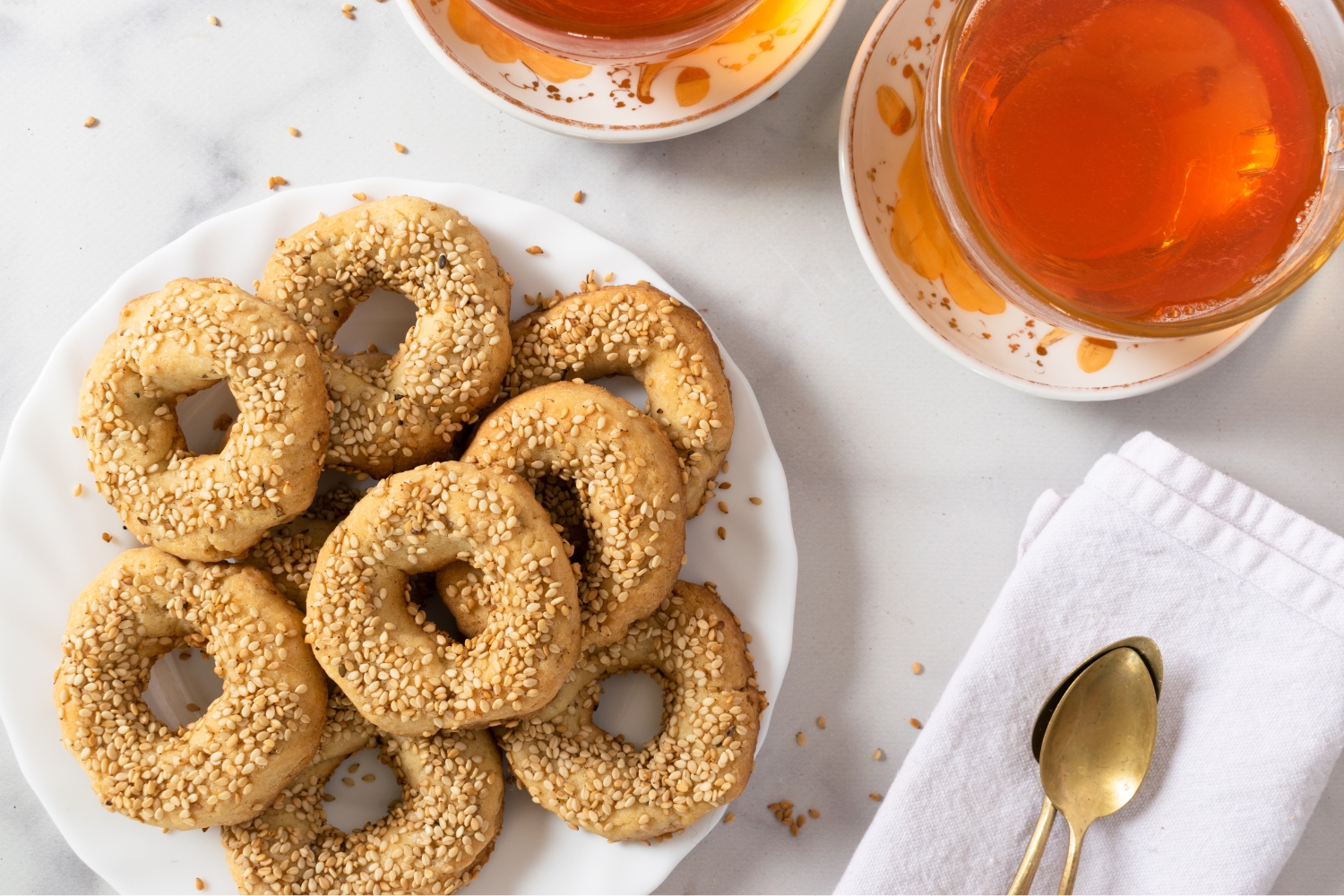
In Lebanon, kaak means cookies, and yansoon means anise. Together, anise cookies are a well-known part of Lebanese home baking and are especially popular during Easter and Eid. These cookies are often shaped like small rings, brushed with oil, and topped with sesame seeds before baking. The result is a golden, crisp cookie that’s lightly sweet and full of flavor.
This particular recipe reminds me of my childhood. I remember the delicious smell of the aniseed cookies hitting me in the living room when my grandmother would take them out of the oven. The spice, known for its warm, sweet, and slightly spicy aroma, gives these cookies their unmistakable taste. In Lebanon, anise is also used to flavor tea, so this recipe carries that same comforting, familiar note in every bite.
Why You’ll Love Lebanese Anise Cookies
Anise cookies stand out for their balance of texture and flavor. The dough combines flour, olive oil, vegetable oil, sugar, and anise in multiple forms, ground seeds, whole seeds, and anise-infused water. The olive oil helps create a delicate crunch while keeping the cookies light. The sesame seeds on top add a subtle nuttiness that pairs well with the sweetness of the dough.
These cookies are a great choice for anyone who enjoys Mediterranean baking because they’re not overly sweet and use pantry staples. They’re perfect for dipping in tea or coffee or serving alongside fruit and nuts for a simple dessert spread.
Health Benefits of Anise Cookies
While anise cookies are a treat, they also have some healthful qualities. Anise seeds are known to aid digestion and have mild anti-inflammatory and antioxidant properties. They’ve long been used in herbal teas for stomach comfort and relaxation. The olive oil in the recipe adds heart-healthy fats and gives the cookies a lighter texture compared to butter-based cookies. When eaten in moderation, these cookies can fit well within a balanced Mediterranean diet.
How to Make Lebanese Anise Cookies
To make anise cookies, start by preparing the anise water, a simple infusion of star anise seeds boiled in water. Mix this warm, aromatic water with sugar until dissolved, then combine with flour, baking powder, salt, oils, vanilla, and both ground and whole anise seeds. The dough should be soft but not sticky.
Roll the dough into small ropes and shape them into circles or ovals. Dip one side in sesame seeds if you like, then bake until lightly golden. The cookies will be soft when first removed from the oven but will crisp up as they cool. Once cooled, store them in an airtight container. They keep for about a week at room temperature or can be frozen for up to three months.
Health Benefits of Anise Cookies
These Anise Cookies include simple, wholesome Mediterranean ingredients that offer subtle health benefits while keeping the recipe light and flavorful.
Anise seeds: Naturally rich in antioxidants and anti-inflammatory compounds that support digestion, ease bloating, and promote gut comfort.
Olive oil: A heart-healthy Mediterranean staple, full of monounsaturated fats that help lower LDL (“bad”) cholesterol and support cardiovascular health.
Sesame seeds (optional): Provide calcium, magnesium, and plant-based protein, adding both nutrition and a light nutty crunch.
Anise water: Offers the soothing properties of star anise, long used in traditional remedies for respiratory and digestive wellness.
Simple, real ingredients: Free from preservatives or refined fats, these cookies align with the Mediterranean diet’s focus on balance, moderation, and natural flavor.
FAQs
What gives anise cookies their flavor?
The distinct flavor comes from ground anise, anise seeds, and anise water. This combination creates a rich, aromatic taste that’s both sweet and slightly spicy.
Can I make these cookies without olive oil?
Yes. You can use only vegetable oil or replace the oils with melted butter or shortening for a different texture.
Are anise cookies healthy?
They can be part of a healthy diet when eaten in moderation. Anise seeds are rich in antioxidants, and olive oil adds beneficial fats.
How should I serve them?
Serve these cookies with hot tea or coffee. They’re especially good with anise tea, which enhances their natural flavor.
Can I add other spices?
Yes. Some people like to add a small amount of fennel or mahlab for an extra layer of flavor.
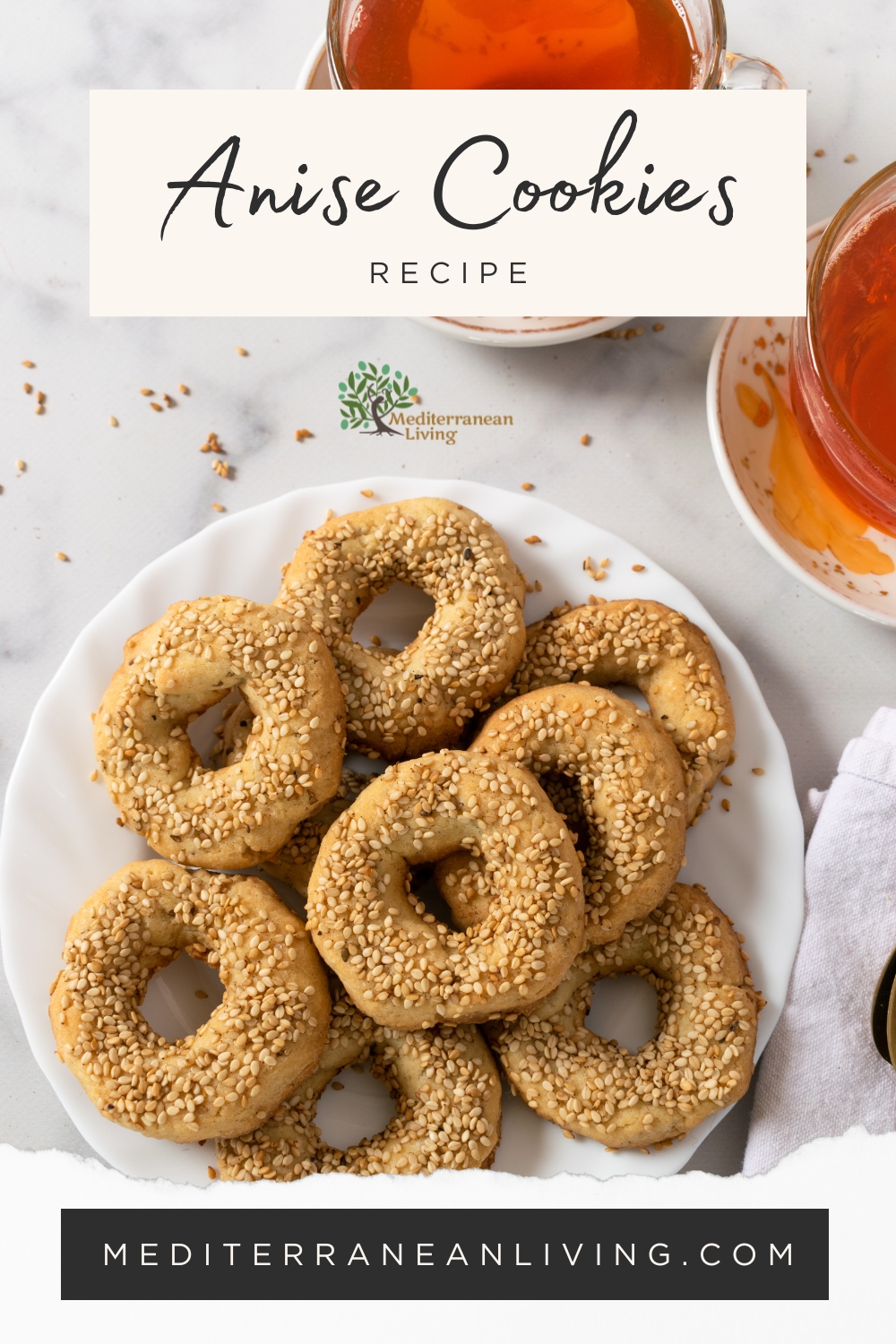
Anise cookies are a simple, flavorful, and traditional Lebanese recipe that brings together familiar Mediterranean ingredients in the best way. Crunchy on the outside and fragrant with anise, these cookies are a reminder of the region’s love for aromatic spices and the tradition of sharing homemade sweets with family and friends.

Anise Cookies
Ingredients
Ingredients for the hot star anise water:
- 1 teaspoon star anise seeds
- 1/2 cup water
Ingredients for the cookies:
- 1 cup sugar
- 1/2 cup hot star anise water
- 3 1/4 cups flour
- 1 1/2 teaspoons baking powder
- 1 1/4 teaspoons salt
- 1/2 teaspoon vanilla extract
- 2 tablespoons ground anise
- 1 tablespoon anise seeds
- 1 cup olive oil, (or 1 cup olive oil and 1 cup butter)
- sesame seeds, for dipping
Instructions
- To make star anise water: Combine 1/2 cup water with 1 teaspoon star anise seeds in a small saucepan. Bring to a boil, then let steep for 5 minutes before using.
- Preheat the oven: Preheat oven to 350°F and lightly brush a baking sheet with oil.
- Dissolve sugar: In a small bowl, mix the sugar and hot star anise water until the sugar is completely dissolved. Set aside.
- Make the dough: In another large bowl, combine the flour, baking powder, salt, vanilla, ground anise, anise seeds, and olive oil. Mix until well combined.
- Add anise water: Pour in the sugar-anise water mixture and knead until a soft dough forms. If the dough feels sticky, add extra flour a little at a time until smooth.
- Shape the cookies: Divide the dough into small equal-sized balls. Roll each ball into a 2-inch rope and shape into a ring (like the letter “O”). Press ends together to seal.
- Add sesame seeds: Dip one side of each cookie into sesame seeds, if using, and place them seed-side up on the prepared baking sheet, leaving space between each.
- Bake: Bake for 20–25 minutes, or until the cookies are pale golden. They will be soft when done but will crisp as they cool. Avoid overbaking.
- Cool and serve: Let cookies cool on the baking sheet, then serve with hot tea.
Nutrition
About the Author: Farah Farah