
There are few dishes that capture the spirit of a true Mediterranean breakfast like Phool. Known widely as Ful Medames, this ancient fava bean stew has nourished families across Egypt, the Levant, and the Arabian Peninsula for thousands of years. Humble in ingredients yet deeply satisfying, it embodies everything we value about traditional Mediterranean cooking: simplicity, plant-forward nourishment, bold flavor, and generous olive oil.
Chef Zohar Arama of Yalla Restaurant in Brattleboro, Vermont, grew up eating Phool at home in Israel, where his Yemeni mother prepared it regularly. For him, this dish is more than food, it’s memory, culture, and comfort. Warm, creamy fava beans blended with red lentils, garlic, cumin, lemon, and cilantro create a meal that is earthy yet bright. It’s hearty without being heavy, making it an ideal Mediterranean breakfast that energizes you gently and keeps you satisfied for hours.
Whether served traditionally with pita, hummus, and a hard-boiled egg or enjoyed as a simple bowl drizzled with olive oil, Phool reflects the timeless beauty of Mediterranean home cooking.
What is Phool?
Phool, more commonly spelled Ful or Foul, is a slow-cooked fava bean stew that originated in Egypt and spread throughout the Mediterranean and Middle East.
Why Are There Different Spellings?
You may see the dish written as:
-
Phool
-
Ful
-
Foul
-
Ful Medames
All of these refer to the same foundational dish. The variation in spelling comes from transliteration, converting Arabic into the Latin alphabet. The Arabic word فول is pronounced closer to “fool,” which explains the spelling “Ful.” Some English-language adaptations use “Phool” to better approximate pronunciation for Western readers, while “Foul” reflects older transliterations.
“Medames” refers to the traditional cooking method, slow-cooked in a sealed pot. Regardless of spelling, the dish remains the same beloved staple of the Mediterranean breakfast table.
At its core, Phool is made from dried fava beans soaked overnight and simmered until tender. Chef Zohar’s version includes red lentils, which enhance texture and add extra nutrition. Garlic, cumin, lemon juice, cilantro, and olive oil complete the dish, creating layers of warmth and brightness.
How to Make Phool
Making Phool at home is a simple process rooted in patience and tradition.
Step 1: Soak the Beans
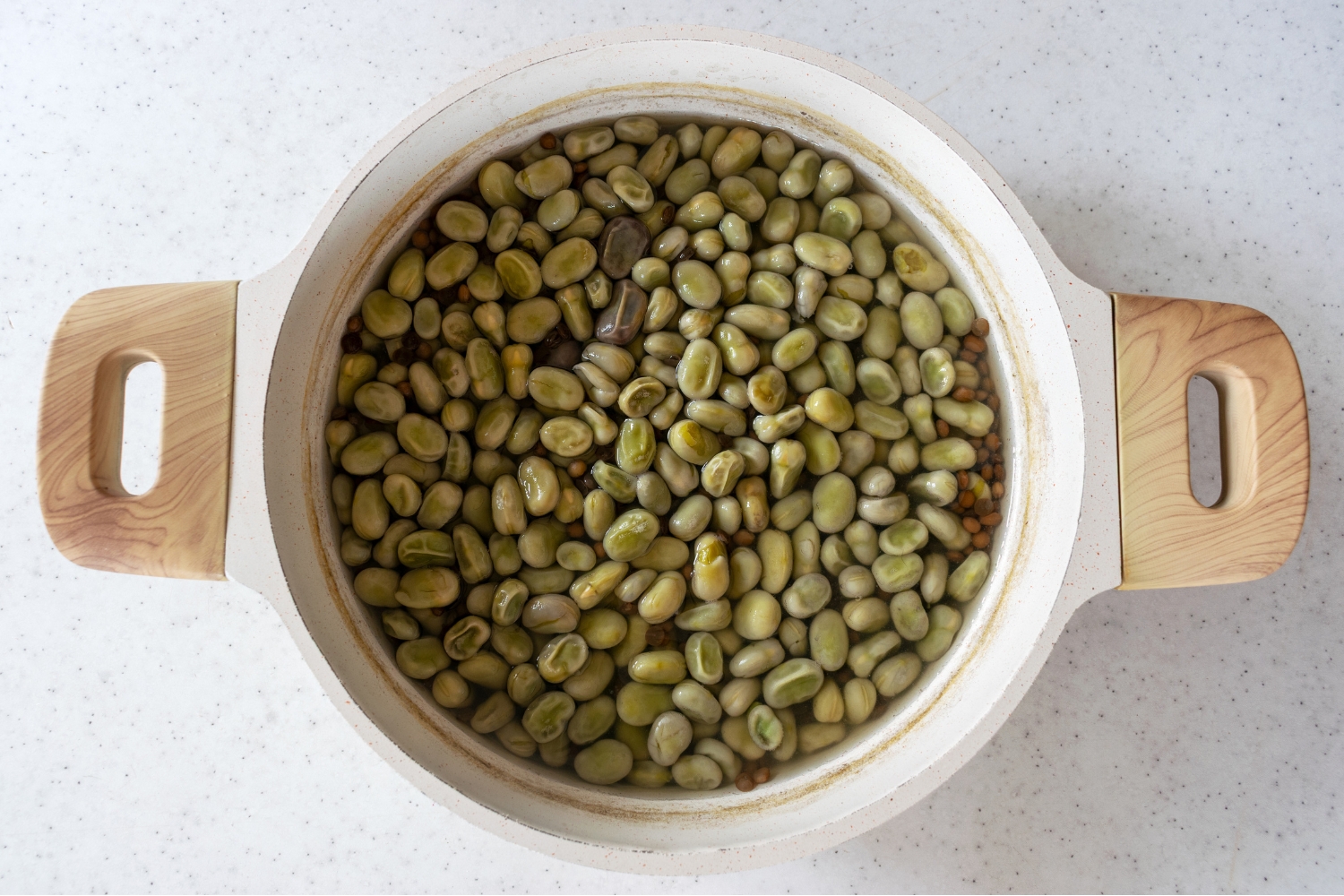
Place dried fava beans and red lentils in a bowl and cover with several inches of water. Soak overnight. This softens the beans and shortens cooking time.
Step 2: Cook the Beans
Stovetop Method:
Transfer soaked beans to a heavy pot and cover with water by 1–2 inches. Bring to a boil, reduce heat, and simmer for 1–2 hours until tender.
Instant Pot Method:
Cover beans with water by 2–3 inches and cook on high pressure for 20 minutes. Allow natural release or quick release. Ensure beans are tender.
Step 3: Season and Mash
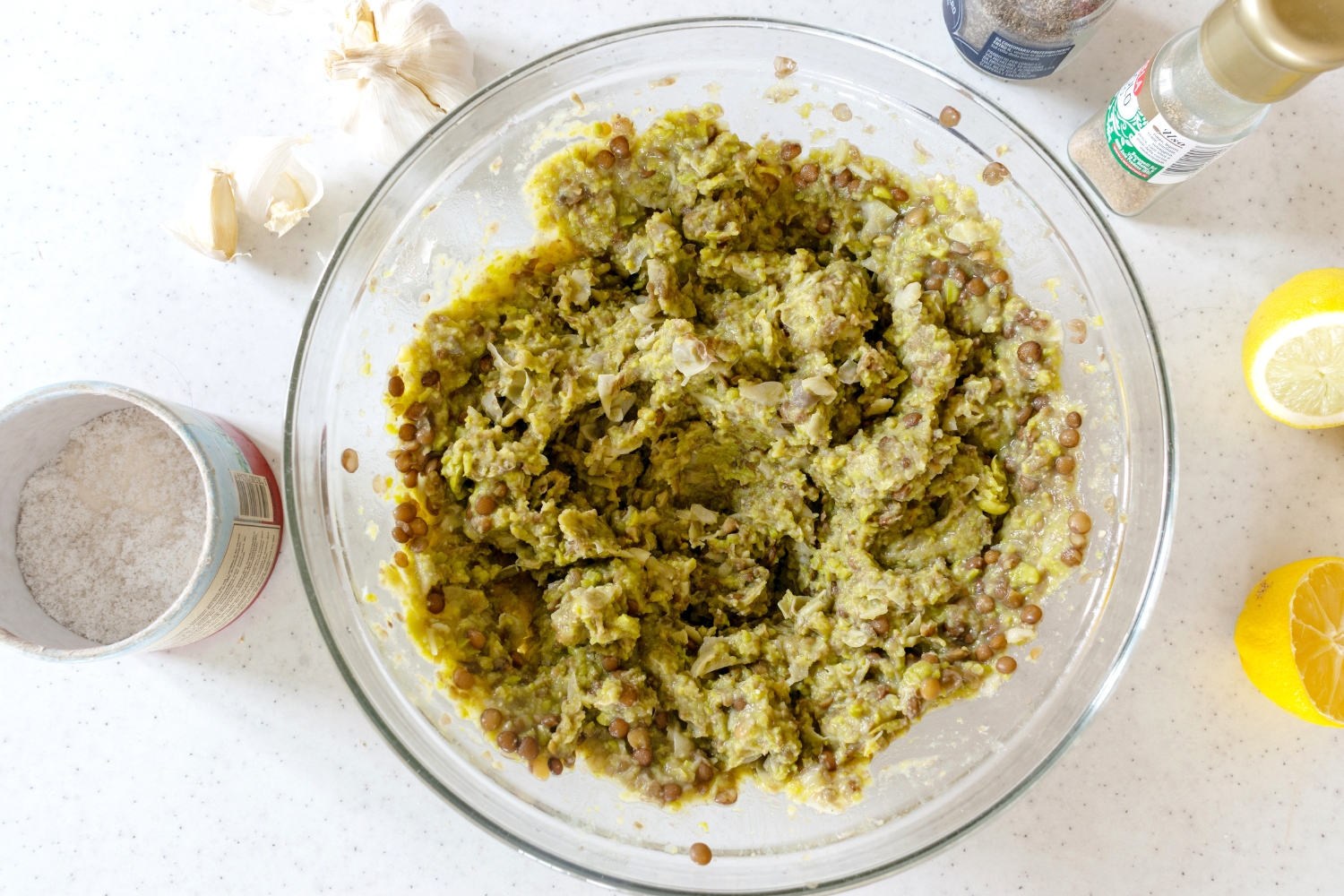
Drain excess liquid. Add minced garlic, cumin, salt, lemon juice, and chopped cilantro. Mash with a potato masher for a rustic texture or blend for a smoother consistency.
Step 4: Serve
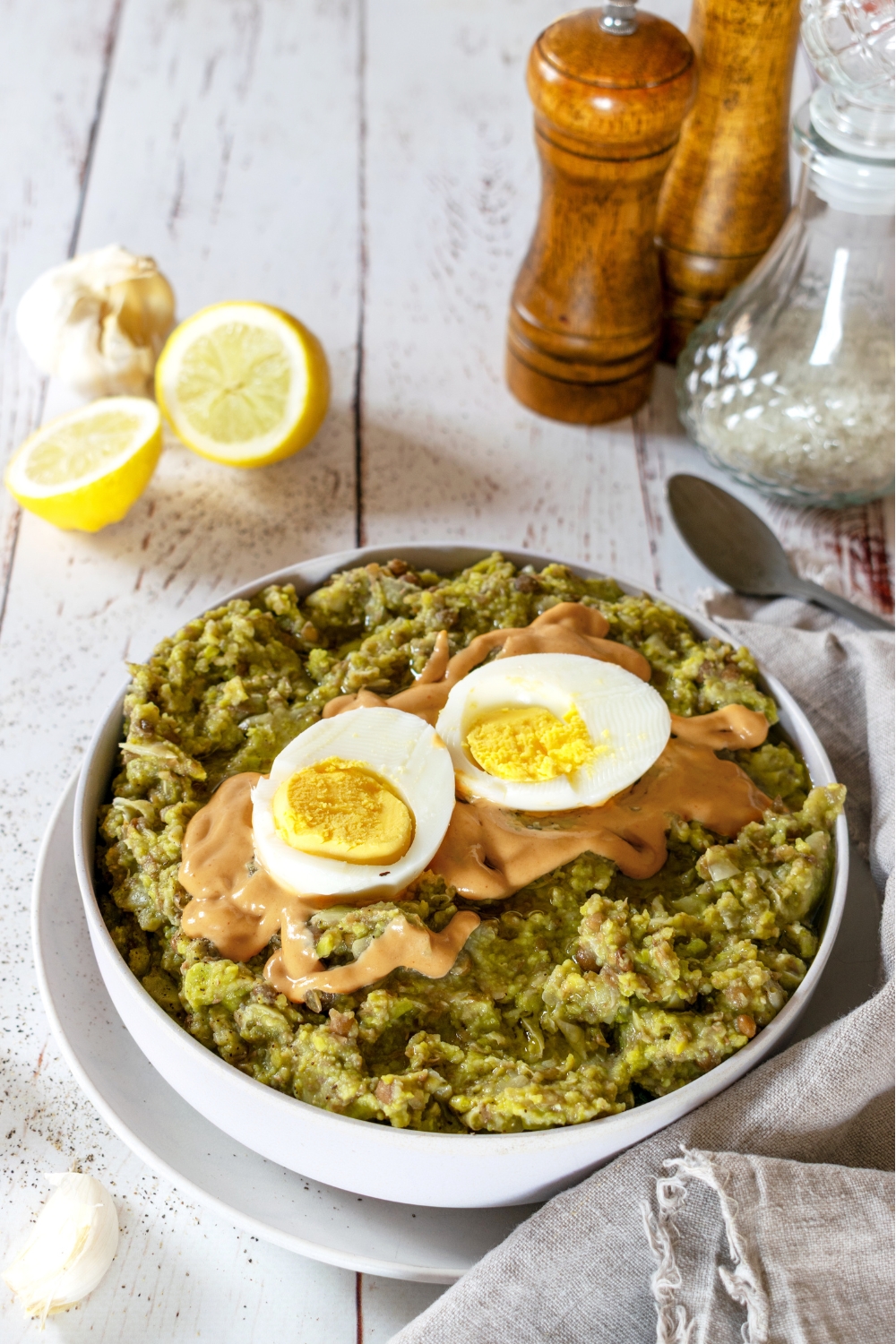
Drizzle generously with extra virgin olive oil. For a traditional Mediterranean breakfast, top with hummus and a hard-boiled egg.
The result is creamy, savory, and deeply satisfying, a bowl that reflects centuries of culinary wisdom.
What to Serve with Phool
Phool is incredibly versatile and can anchor a complete Mediterranean breakfast spread.
Traditional accompaniments include:
-
Warm pita bread
-
Sliced tomatoes and cucumbers
-
Olives
-
Labneh or yogurt
-
Hummus
-
Hard-boiled eggs
For a larger meal, serve alongside roasted vegetables or a crisp salad dressed with lemon and olive oil. Phool also pairs beautifully with grilled fish or chicken later in the day, proving its adaptability beyond breakfast.
Because it is rich in fiber and protein, it functions beautifully as a standalone meal while still fitting seamlessly into a Mediterranean meal plan.
Storage and Leftovers
Phool stores exceptionally well and often tastes even better the next day.
-
Refrigerator: Store in an airtight container for up to 4 days.
-
Reheating: Warm gently on the stovetop with a splash of water or olive oil to restore creaminess.
-
Freezing: Phool can be frozen for up to 3 months. Thaw overnight in the refrigerator and reheat gently.
The flavors deepen as they sit, making leftovers ideal for quick weekday breakfasts or lunches.
Health Benefits
Phool is a nutritional powerhouse and a perfect example of why the Mediterranean breakfast pattern supports longevity and overall wellness.
Rich in Plant-Based Protein:
Fava beans and red lentils provide high-quality plant protein, helping maintain satiety and steady energy levels throughout the morning.
High in Fiber:
Legumes are excellent sources of dietary fiber, supporting digestive health and helping regulate blood sugar.
Heart-Healthy Fats:
Extra virgin olive oil contributes monounsaturated fats associated with improved cardiovascular health and reduced inflammation.
Packed with Micronutrients:
Fava beans supply folate, iron, magnesium, and potassium, nutrients essential for cellular function and oxygen transport.
Low Glycemic and Naturally Vegan:
This dish supports balanced blood sugar levels and fits seamlessly into vegan and gluten-free eating patterns.
The emphasis on legumes, herbs, and olive oil reflects the foundational principles of the Mediterranean diet, whole foods, plant-forward meals, and minimal processing.
FAQs
Can I use canned fava beans?
Yes. Rinse well and simmer for about 10 minutes with the seasonings to warm through and meld flavors.
Can I skip the lentils?
You can. Red lentils enhance texture and nutrition, but the dish works beautifully with fava beans alone.
Can I blend it smooth?
Absolutely. Traditional versions are often rustic and mashed, but blending creates a creamy, hummus-like consistency.
Is Phool only for breakfast?
Not at all. While it is a classic Mediterranean breakfast, it can be served for lunch or dinner as well.
How do I make it spicier?
Add chili flakes, harissa, or a drizzle of chili oil before serving.
A Dish Rooted in Tradition
Phool represents more than sustenance. It is a dish tied to history, culture, and family tables stretching back thousands of years. From Egypt to Yemen to Israel and across the Mediterranean basin, it remains a cornerstone of daily life.
In today’s modern kitchens, it continues to shine because it answers what so many of us are looking for: food that is nourishing, flavorful, and deeply satisfying without being complicated. A bowl of Phool, warm, fragrant, and drizzled with olive oil, embodies the essence of a true Mediterranean breakfast.
It is humble yet elegant. Ancient yet relevant. Simple yet powerful.
Whether you call it Phool, Ful, or Ful Medames, this dish offers a taste of tradition and a reminder that the most enduring foods are often the simplest.
Authentic Mediterranean Breakfast: Phool
Ingredients
- 1 cup dried fava beans preferably mini
- 1/2 cup dried red lentils
- 2 cloves garlic minced
- 1 1/2 teaspoons cumin
- 2 teaspoons (15 g) sea salt (or other kosher salt)
- 1 1/2 tablespoons (25 g) lemon juice
- 2 tablespoons fresh cilantro chopped
- 1 tablespoon Extra virgin olive oil for serving
Instructions
- Soak the beans: Place fava beans and red lentils in a large bowl, cover with several inches of water, and soak overnight. The next day, agitate the beans in the water, then drain and rinse.
- Cook the beans (stovetop): Place the beans in a heavy-bottomed pot and cover with water by 1–2 inches. Bring to a boil over high heat, then reduce heat to low and simmer until tender, 1–2 hours. Add more water as needed. Instant Pot/pressure cooker: Cover beans with water by 2–3 inches and cook on high pressure for 20 minutes. Let pressure release naturally or quick release. Ensure beans are tender and drain off excess liquid.
- Make the phool: Place beans in a large bowl and add garlic, cumin, salt, lemon juice, and cilantro. Mash with a potato masher to your desired texture, or use a food processor for a smoother consistency.
- Serve: Drizzle generously with olive oil. For a traditional breakfast, top with hummus and a hard-boiled egg.
Nutrition
About the Author: Zohar Arama

Yummm!