
The Complete Mediterranean Diet Food List
By George Zikos
Updated September 10, 2026
If you are new to this way of eating, think of the Mediterranean diet as a flexible eating plan built around whole foods. The Mediterranean diet basics are simple: eat more vegetables, fruit, beans, lentils, whole grains, nuts, seeds, fish, and extra virgin olive oil. Enjoy smaller amounts of eggs, yogurt, cheese, poultry, and meat, while limiting highly processed foods, fatty or processed meats, refined carbohydrates, and unhealthy fats.
This Mediterranean diet food list for beginners will help you see which foods are included in the Mediterranean diet, which ingredients to keep in your kitchen, and how to start the Mediterranean diet without trying to change everything at once.
Mediterranean Diet Tip:
Want a copy for your kitchen? Get the printable Mediterranean Diet Food List PDF.
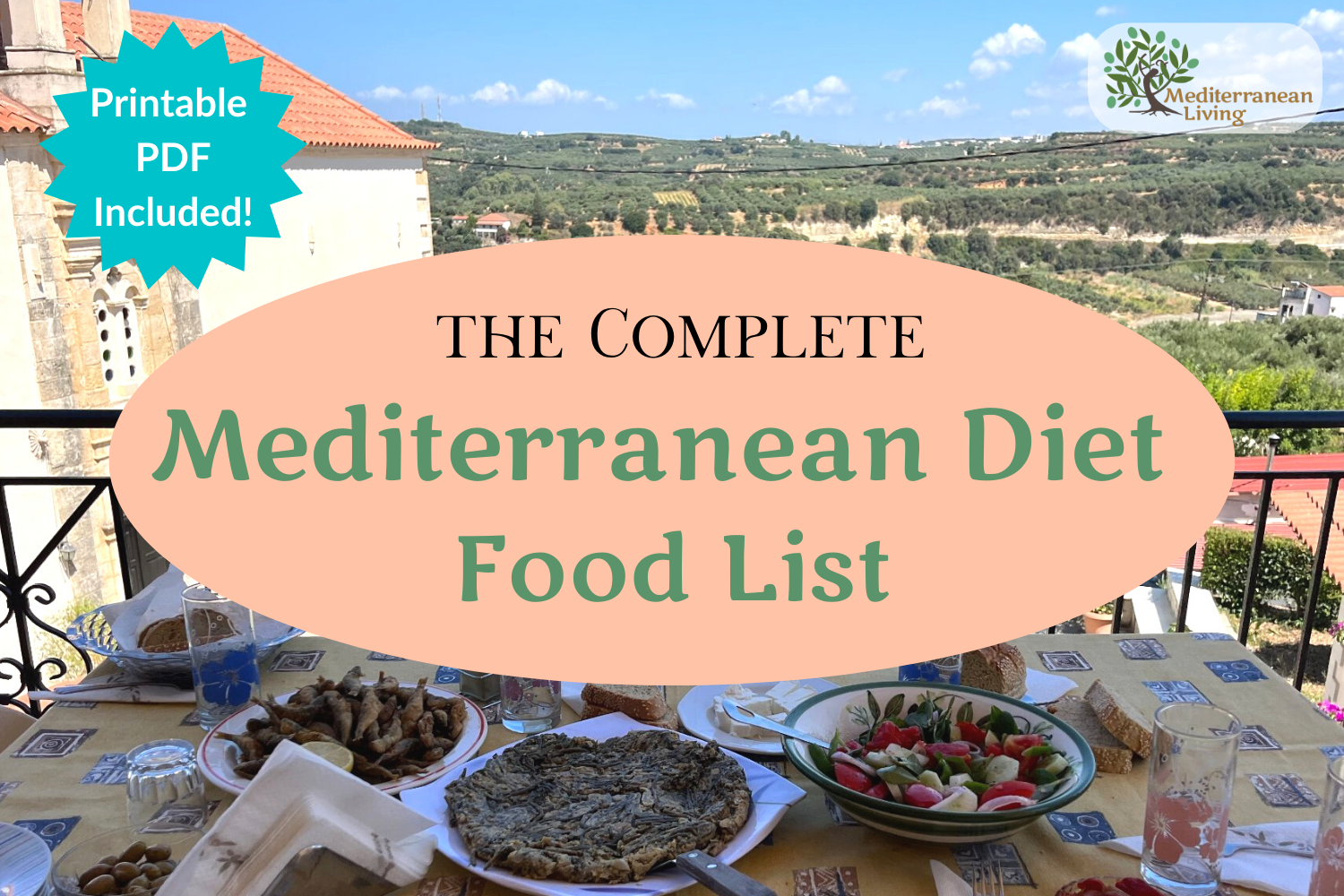
I put together this Mediterranean diet food list to make this way of eating easier to understand and practice. It includes more than 100 common and widely available foods, including vegetables, fruits, beans, whole grains, seafood, extra virgin olive oil, herbs, and spices. If you are looking to incorporate more healthy foods into your diet, use this list as a practical resource for planning meals, stocking your kitchen, and trying something new.
What Is the Mediterranean Diet?
The Mediterranean diet is an eating pattern based on the traditional foods and lifestyle of people living in countries bordering the Mediterranean Sea, including Greece, Italy, and Spain. It is built around plant-based foods such as vegetables, fruits, beans, whole grains, nuts, seeds, herbs, and extra virgin olive oil. Fish and seafood are also important parts of the way of eating, while eggs, poultry, yogurt, and cheese are enjoyed in moderate amounts.
The Mediterranean diet is not a rigid set of rules. It is a flexible way to enjoy fresh, flavorful food while making healthy choices more often. Meals are meant to be shared and enjoyed, and the Mediterranean lifestyle also includes staying active and making time for family and friends. The goal is not perfection. It is building an eating pattern that feels satisfying and works in everyday life.
Research on the Mediterranean diet has found associations with several health benefits, including better heart health and a lower risk of cardiovascular disease and other chronic conditions. The way each person responds to an eating pattern can vary, so use this food list as a practical guide for making healthy choices, not as a substitute for advice from a healthcare professional.
What Foods Are Included in the Mediterranean Diet?
What makes the Mediterranean diet stand out is its focus on whole, minimally processed foods from every food group, enjoyed in balanced, moderate amounts. The foundation includes vegetables, fruits, beans, whole grains, nuts, seeds, herbs, and extra virgin olive oil. These Mediterranean diet foods add flavor, texture, fiber, healthy fats, and other important nutrients to everyday meals.
Whole grains such as whole wheat bread, brown rice, quinoa, and barley are common choices. Fresh fruits and vegetables, including leafy greens and other seasonal vegetables, are enjoyed regularly. Beans and legumes provide a practical plant-based source of protein, while nuts and seeds add healthy fats, protein, and texture.
Extra virgin olive oil and olives are central to the Mediterranean way of eating. Fish and seafood are important sources of protein, while poultry, eggs, plain Greek yogurt, and cheeses such as feta can be enjoyed in moderate amounts. Red meat and processed meats are eaten less often, and highly processed foods, added sugar, sugary drinks, and refined grains are limited.
This Mediterranean diet food list organizes more than 100 common foods by category so you can use it as a practical food guide. If you are new to this eating pattern, start with a few foods you already enjoy and add one new ingredient at a time. The goal is to make healthy choices more often while creating meals that are satisfying, flavorful, and enjoyable.
Mediterranean Diet Food List Printable PDF
This Mediterranean diet food list is available as a PDF file, and I recommend printing it out and putting it on your fridge. You will always have inspiration to eat these healthy foods whenever you go into the fridge.
If you’re looking for recipes to make with these foods, check out our extensive collection of Mediterranean Diet Recipes.
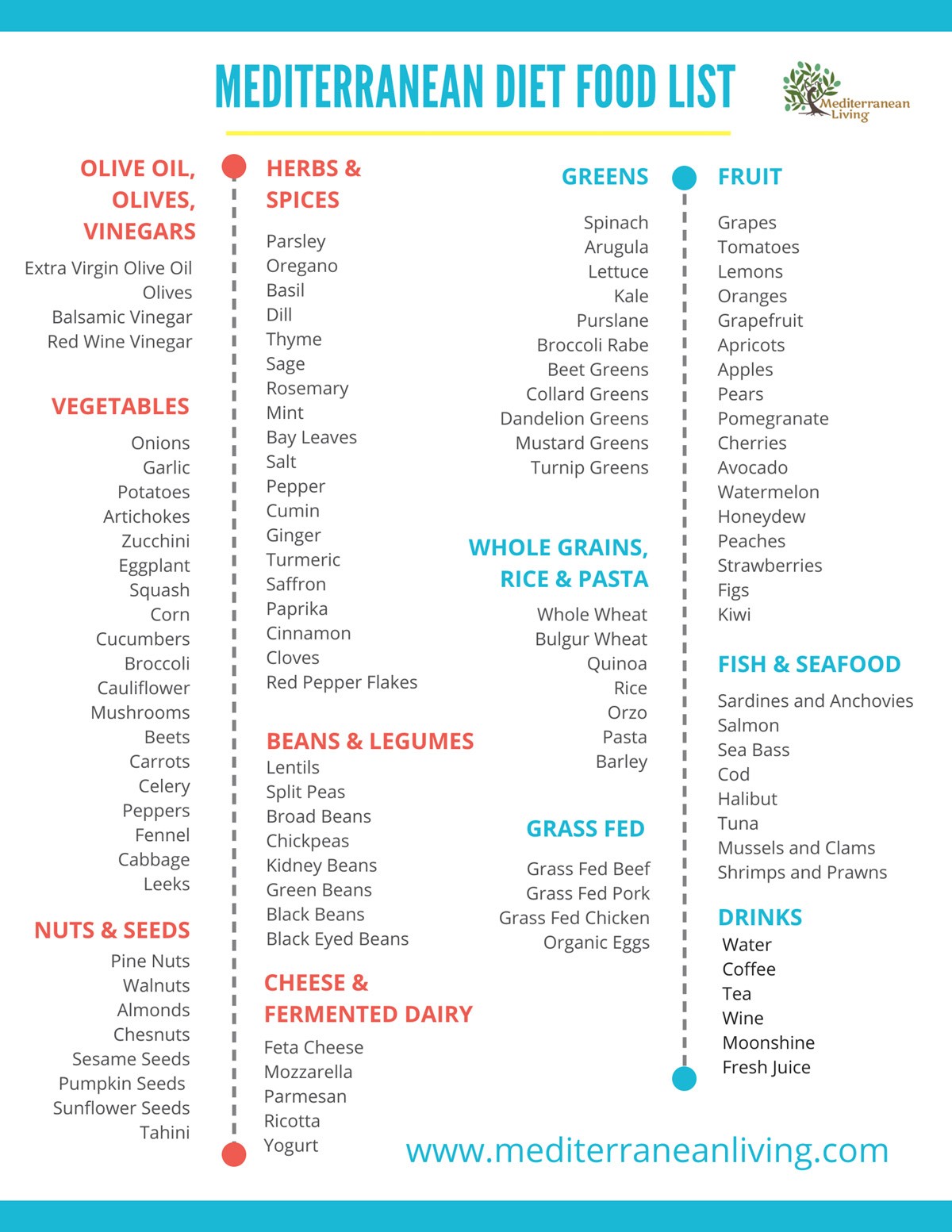
The foods below are common Mediterranean diet ingredients and pantry staples. You do not need to buy everything at once. Use this complete Mediterranean diet food list as a guide, then choose the foods that fit your budget, culture, cooking habits, and family.
Mediterranean Diet Healthy Fats, Oils, and Vinegars
- Extra virgin olive oil
- Olives
- Balsamic Vinegar
- Red Wine Vinegar
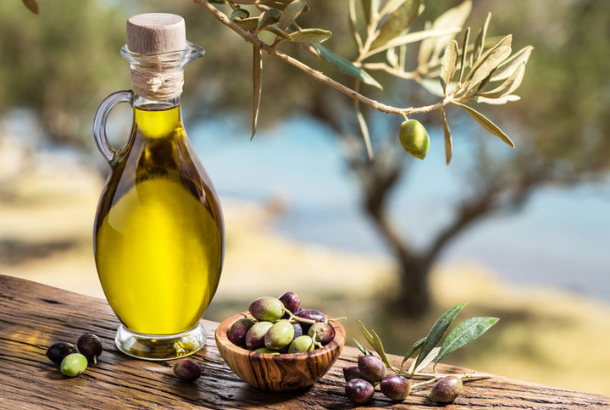
For starters, get yourself a good quality extra virgin olive oil. It is a key component of the Mediterranean diet and shows up in many Mediterranean diet recipes. You can use it for salad dressings, dips, sautéing, roasting, or simply drizzling over vegetables, beans, grains, and fish. Extra virgin olive oil provides beneficial monounsaturated and other unsaturated fats, making it a good choice when you want to replace butter or other fats higher in saturated fat. These healthy fats can support heart health as part of an overall healthy eating pattern.
When you are choosing an olive oil, look for a reputable producer and a harvest date if one is listed. A dark bottle helps protect the oil from light. Once you bring it home, keep it in a cool place away from the stove and use it while it is fresh. A peppery or slightly bitter taste can be a sign of freshness and naturally occurring compounds, but it does not prove the oil is high quality by itself. The best olive oil is one you enjoy and will actually use.
Mediterranean Diet Vegetables
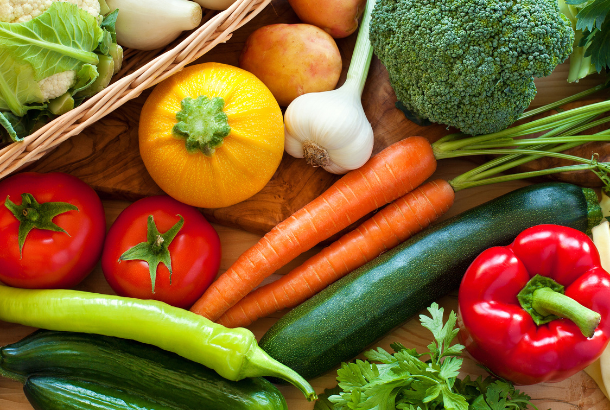
Once you have a good olive oil in the kitchen, start filling your meals with plenty of vegetables. Fresh vegetables, dark leafy greens, and seasonal produce are at the heart of Mediterranean cooking. You can enjoy them raw, roasted, grilled, sautéed, or folded into soups, stews, salads, and other everyday meals. Here are some common vegetables to include in your Mediterranean diet food list:
- Onions
- Garlic
- Potatoes
- Artichokes
- Zucchini
- Eggplant
- Summer and winter squash
- Corn
- Cucumbers
- Broccoli
- Cauliflower
- Mushrooms
- Beets
- Carrots
- Celery
- Peppers
- Fennel
- Cabbage
- Leeks
Fresh vegetables are wonderful, but frozen and canned vegetables can also make Mediterranean-style eating easier. When buying canned or prepared vegetables, check the label for added salt, sugar, or heavy sauces. Choose options with simple ingredients when you can, and rinse canned vegetables if you want to reduce some of the added sodium.
Mediterranean Diet Nuts and Seeds
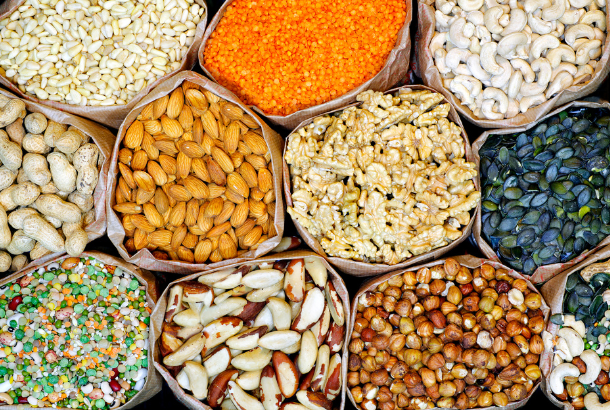
Nuts and seeds are an easy way to add healthy fats, protein, and fiber to Mediterranean-style meals. Keep walnuts, almonds, pine nuts, or pumpkin seeds on hand for salads, grain bowls, yogurt, and simple snacks. Sesame seeds and tahini are also common in Mediterranean cooking, especially in sauces, dips, and dressings. Here are some nuts and seeds to include in your Mediterranean diet food list:
- Pine Nuts
- Walnuts
- Almonds
- Chesnuts
- Sesame Seeds
- Pumpkin Seeds
- Sunflower Seeds
- Tahini
For a simple Mediterranean diet snack, combine a small handful of nuts or seeds with fresh fruit, plain yogurt, or whole-grain toast.
Mediterranean Diet Herbs and Spices
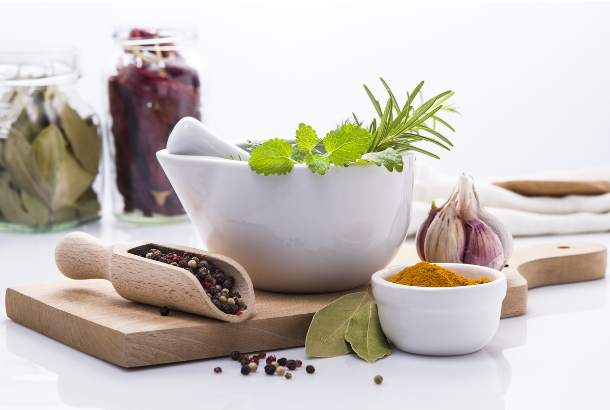
Herbs and spices are an easy way to add flavor, color, and variety to Mediterranean-style meals without relying on heavy sauces or excess calories. Fresh and dried herbs also contain antioxidants and other plant compounds, which is one reason they are such a useful part of Mediterranean cooking. Use parsley, oregano, basil, dill, thyme, rosemary, mint, or bay leaves in salads, soups, vegetables, beans, fish, and grains. Spices such as cumin, ginger, turmeric, saffron, paprika, cinnamon, cloves, and red pepper flakes can add warmth and depth to both savory dishes and desserts.
Salt and pepper can also be part of a flavorful kitchen, but salt should be used thoughtfully. Try building flavor with herbs, spices, garlic, lemon, vinegar, or extra virgin olive oil before adding more salt.
- Parsley
- Oregano
- Basil
- Dill
- Thyme
- Sage
- Rosemary
- Mint
- Bay Leaves
- Salt
- Pepper
- Cumin
- Ginger
- Turmeric
- Saffron
- Paprika
- Cinnamon
- Cloves
- Red Pepper Flakes
Mediterranean Diet Beans and Legumes
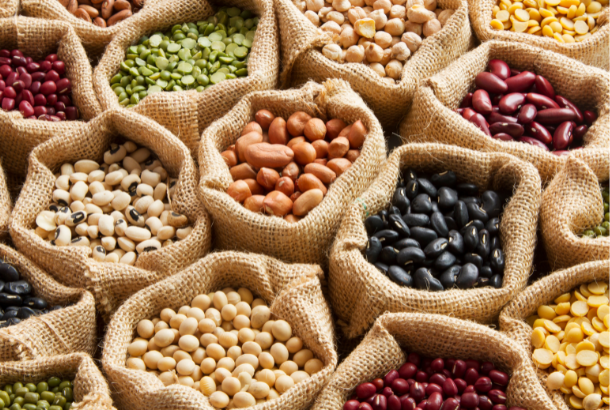
Beans and legumes are great sources of plant-based protein, fiber, vitamins, and minerals. Including beans and legumes as part of an overall healthy eating pattern may help reduce the risk of chronic diseases, including heart disease and type 2 diabetes. They are also very versatile and can be used in a variety of Mediterranean diet recipes, including soups, salads, stews, grain bowls, dips, and pasta dishes. Beans, lentils, and peas are some of the most useful Mediterranean diet legumes because they are affordable, filling, and easy to add to soups, salads, stews, and grain bowls.
- Lentils
- Split Peas
- Broad Beans
- Chickpeas
- Kidney Beans
- Green Beans
- Black Beans
- Black-Eyed Peas
Mediterranean Diet Cheese and Fermented Dairy
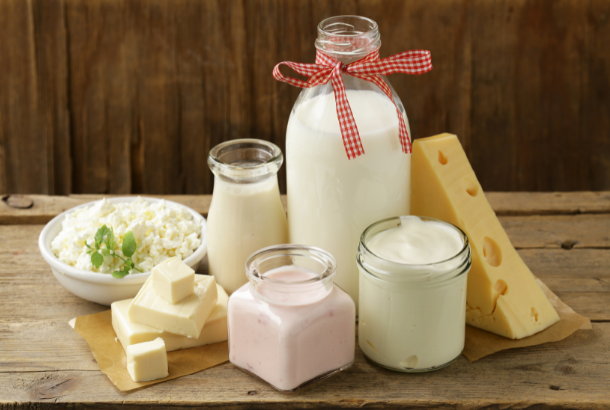
Cheese and fermented dairy are enjoyed in moderate amounts on the Mediterranean diet. They provide protein, calcium, and other nutrients, and they can add plenty of flavor to salads, vegetables, whole grains, and other Mediterranean-style meals. Plain yogurt, especially Greek yogurt, also makes an easy breakfast, snack, or sauce.
Cheese can be higher in fat and sodium, depending on the type, so portion size matters. Enjoy feta, mozzarella, Parmesan, ricotta, and yogurt as part of an overall balanced eating pattern rather than making them the main part of every meal.
- Feta Cheese
- Mozzarella
- Parmesan
- Ricotta
- Plain Greek yogurt
Mediterranean Diet Tip:
Mediterranean Diet Greens
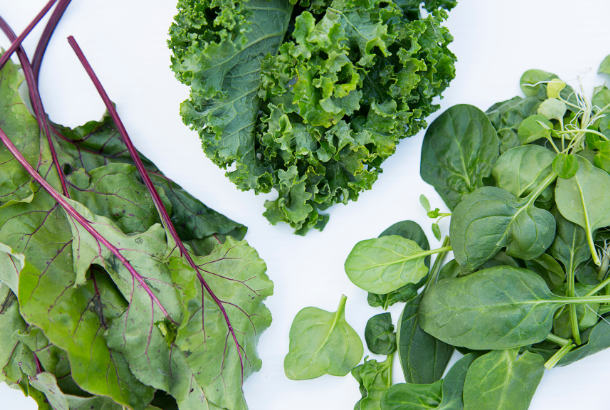
Greens are great sources of vitamins, minerals, and antioxidants, and they are an easy way to add more color and nutrients to Mediterranean-style meals. Use them in salads, soups, grain bowls, sautés, omelets, and other Mediterranean diet recipes. Here are some leafy greens to include in your Mediterranean diet food list:
- Spinach
- Arugula
- Lettuce
- Kale
- Purslane
- Broccoli Rabe
- Beet Greens
- Collard Greens
- Dandelion Greens
- Mustard Greens
- Turnip Greens
Mediterranean Diet Whole Grains, Rice, and Pasta
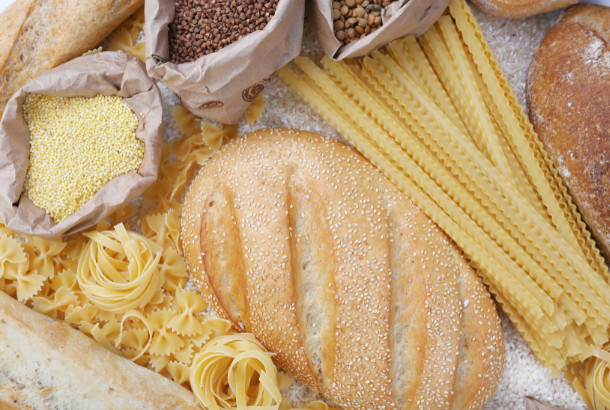
Whole grains are an important part of the Mediterranean diet and are a better everyday choice than refined grains, white bread, and products made with white flour. Whole wheat, bulgur, quinoa, brown rice, and barley provide fiber and other nutrients, while pasta and orzo can fit into Mediterranean-style meals when enjoyed with vegetables, beans, fish, olive oil, or other fresh ingredients.
You can use these foods in many different ways served warm as a side dish, tossed into a salad, added to soups, or combined with vegetables and herbs in a satisfying main meal. When shopping, look for products labeled whole grain or whole wheat, and do not assume that products labeled “diet,” “lite,” “low-calorie,” or “low-fat” are automatically healthier. Check the ingredient list and choose foods that fit the overall Mediterranean eating pattern.
Can You Eat Pasta on the Mediterranean Diet?
- Whole Wheat
- Bulgur Wheat
- Quinoa
- Rice
- Orzo
- Pasta
- Barley
Meat and Eggs on the Mediterranean Diet

You do not need to eat meat every day, but lean meat and eggs can still fit into the Mediterranean diet food list. When you do choose meat, look for lean cuts of beef, pork, or lamb, and enjoy them in moderate portions alongside vegetables, beans, whole grains, or a fresh salad. Grass-fed meat is one option, but it is not required to follow the Mediterranean diet.
Eggs are also a practical source of protein and can be served for breakfast, lunch, or dinner. The bigger picture matters most: make plant foods the foundation of your meals, enjoy fish and seafood regularly, and treat red meat and processed meat as less frequent choices.
Are Eggs Allowed on the Mediterranean Diet?
- Grass-fed Beef
- Grass-fed Pork
- Grass-fed Lamb
- Grass-fed Chicken
- Organic Eggs
Mediterranean Diet Fruits
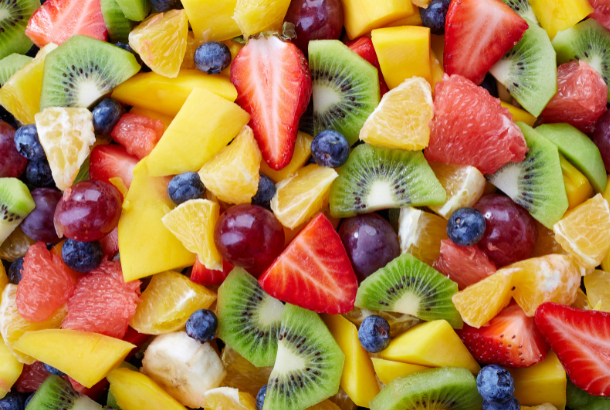
Fresh fruit adds natural sweetness, color, and variety to the Mediterranean diet. Enjoy fruit on its own, sliced over yogurt or whole grains, mixed into salads, or served as part of a simple snack. Seasonal fruit is a great choice, but frozen fruit can also be a convenient option when fresh produce is not available. Here are some Mediterranean diet fruits to include in your food list:
- Grapes
- Tomatoes
- Lemons
- Oranges
- Grapefruit
- Apricots
- Apples
- Pears
- Pomegranate
- Cherries
- Avocado
- Watermelon
- Honeydew melon
- Peaches
- Strawberries
- Figs
- Kiwi
Mediterranean Diet Fish and Seafood
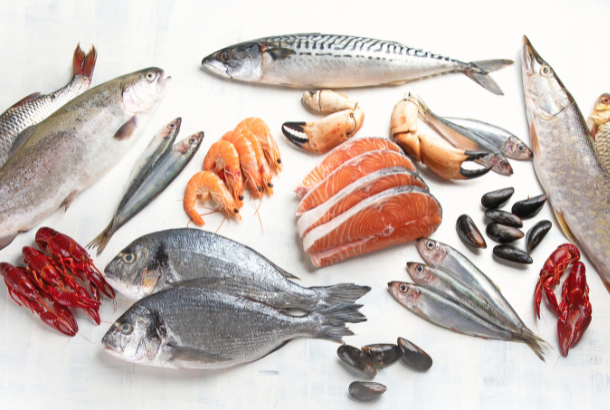
Fish and seafood are excellent sources of protein, omega-3 fatty acids, and other nutrients. They are an important part of Mediterranean-style eating and can be grilled, baked, roasted, or added to soups, stews, salads, and pasta dishes. Try to include a variety of fish and seafood alongside vegetables, beans, whole grains, and extra virgin olive oil.
- Sardines and Anchovies
- Salmon
- Sea Bass
- Cod
- Halibut
- Tuna
- Mussels and Clams
- Shrimps and Prawns
Mediterranean Diet Drinks
Everyday Drinks
Water is the main drink to reach for throughout the day, but coffee and tea are also a regular part of Mediterranean life. Coffee is drunk throughout the day and is an important part of social life. I’ve seen people turn a simple coffee with friends into a long, relaxed social event that can last for hours. In some places, people drink caffeinated coffee past 9 p.m. and rarely drink decaf. People often stay out very late and into the early morning socializing, so having coffee that late is not unusual.
Coffee habits vary from country to country, but the social ritual is often just as important as the drink itself.
Fresh juice is another option, although whole fruit is usually more filling because it contains fiber. Enjoy juice in a smaller glass and think of it as an occasional part of the meal rather than a replacement for water or whole fruit.
- Water
- Coffee
- Tea
- Fresh Juice

Alcohol in Moderation
Wine is very important in many Mediterranean countries and is often enjoyed with lunch and dinner. Red wine is preferred over white in some places because of its antioxidants, but white wine is widely consumed as well. The Mediterranean diet is often associated with enjoying a moderate amount of red wine with meals.
Another thing people drink is a local aperitif, such as raki, ouzo, or tsipouro. These drinks vary depending on the country and are often served with dessert or at the end of a meal. Many people in the Mediterranean believe that these aperitifs help with digestion.
You might be wondering: If people are drinking this much, how can this be healthy? For starters, they usually have alcohol with food. I’ve seen people sipping slowly and enjoying their wine over a two- to three-hour meal. They savor and appreciate the wine instead of quickly drinking several glasses and getting drunk.
People also drink socially with friends and family, where getting drunk is not socially acceptable. Since ancient Greek times, people in the Mediterranean have drunk socially and looked down upon getting embarrassingly drunk in front of friends and family.
It is all about socializing with good people and good food, not abusing alcohol. Many people believe that drinking this way can be part of a lifestyle that supports health and overall well-being.
If you do not drink, do not worry. You can enjoy grapes, grape juice, and regular exercise without drinking alcohol. There are also plenty of people in the Mediterranean who do not drink at all.
Can You Eat Pasta on the Mediterranean Diet?
The Mediterranean diet is not a list of foods that you can never eat. It is more about what you eat most often. Try to limit fatty or processed meats, highly processed snacks, refined carbohydrates, sugary drinks, and foods made with unhealthy fats. This includes items such as processed meats, packaged sweets, fast food, and heavily refined grain products.
You do not have to be perfect. A special meal, dessert, or favorite family recipe can still fit into your life. The main idea is to make whole foods the foundation of your eating plan and enjoy less nutritious foods less often.
Can You Eat Pasta on the Mediterranean Diet?
The easiest way to start the Mediterranean diet is to make one meal at a time more Mediterranean. Add vegetables to lunch or dinner, use olive oil instead of heavily processed sauces, replace some meat with beans or lentils, and keep fruit, nuts, yogurt, and whole-grain foods available for simple meals.
A beginner Mediterranean diet food list does not need to be complicated. Start with a few foods you already enjoy, then build from there. This Mediterranean diet food list for beginners can help you plan a shopping trip, stock your pantry, and choose a few Mediterranean diet recipes to try during the week.
Here is a simple starter list of Mediterranean diet foods for beginners:
• Extra virgin olive oil
• Canned beans
• Lentils
• Whole grains
• Canned sardines or tuna
• Plain yogurt
• Eggs
• Seasonal vegetables
• Fresh fruit
• Nuts and seeds
• Herbs and spices
If you are just getting started, you can also download and print this Mediterranean diet food list PDF to keep track of the foods you want to try. Click here to get the list of foods to eat on the Mediterranean Diet









I would like to have a healthy life style and lose weight.
I dont like the way I am eating.
I want to feel better
I want to lose weight have good health
I am trying to eat healthy.