In the kitchens of Crete and across Greece, leafy greens are more than just a side dish, they are a way of life. Known broadly as horta, these wild or cultivated greens are prepared with almost ritualistic simplicity: gently cooked, dressed with high-quality olive oil, and finished with a squeeze of fresh citrus. This tradition lies at the heart of the Mediterranean diet, where vegetables are not an afterthought but the foundation of daily meals. This sautéed spinach recipe with lemon is a perfect example of that philosophy. With just a handful of ingredients, spinach, olive oil, garlic, and lemon, you create a dish that is both deeply nourishing and incredibly flavorful.
The beauty of sautéed spinach lies in its simplicity. There’s no need for heavy sauces or complicated techniques. Instead, the focus is on enhancing the natural flavor of the spinach while adding brightness and depth through lemon and garlic.
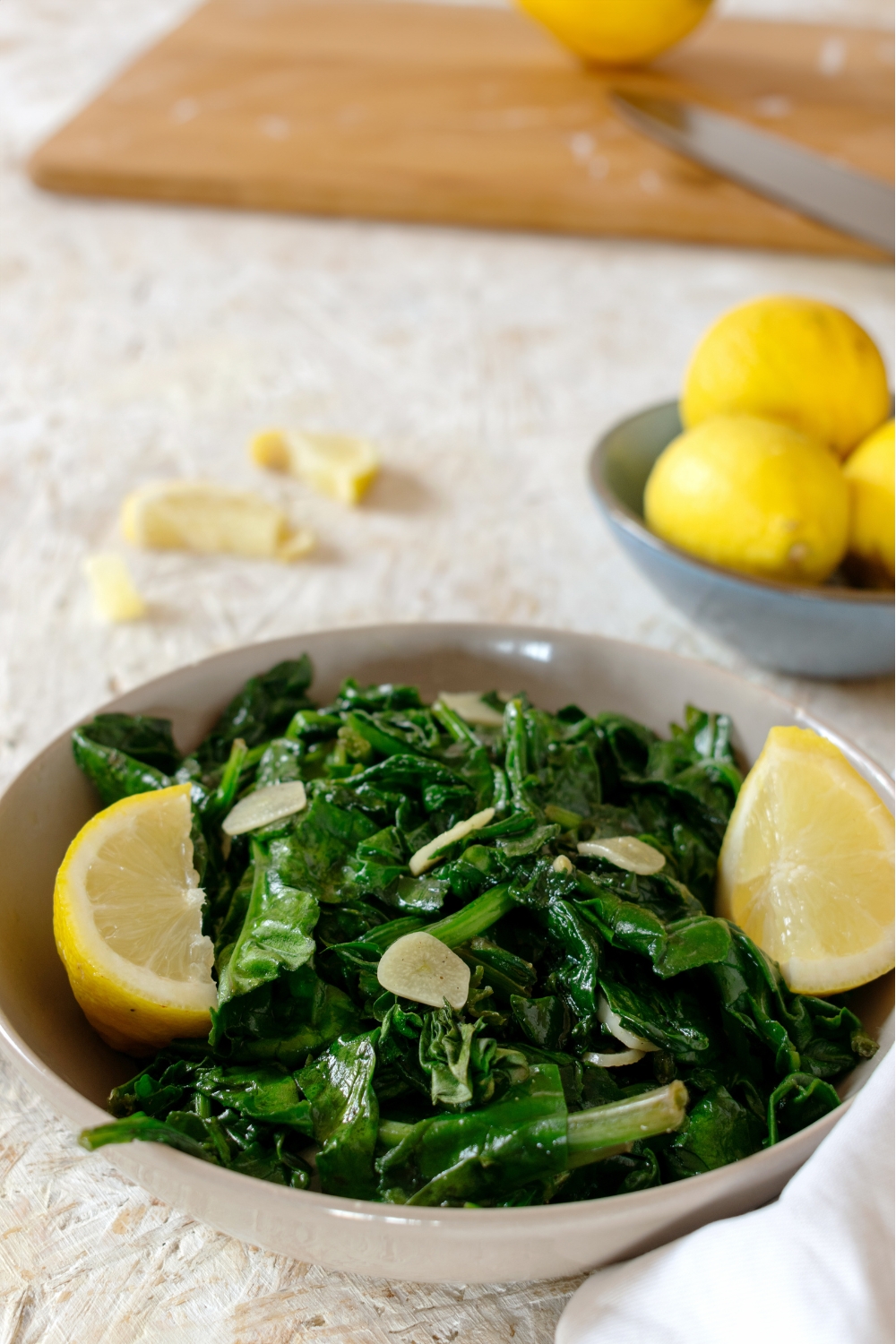
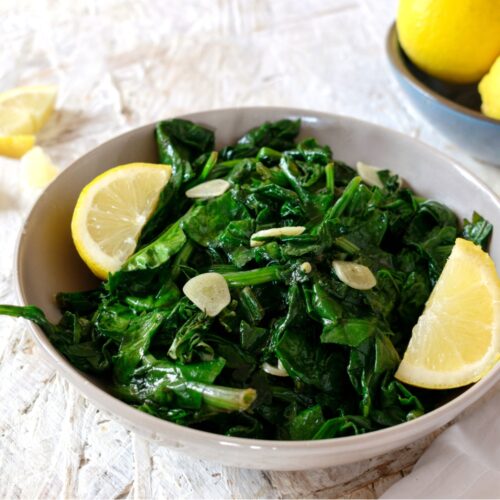
In this version, sautéed spinach is cooked gently in extra virgin olive oil and infused with just a touch of garlic for warmth. The addition of lemon juice at the end brings balance, cutting through the richness of the oil and elevating the greens. Served with lemon wedges, this dish becomes interactive, allowing everyone at the table to adjust the acidity to their liking, a hallmark of Mediterranean dining.
Whether served alongside grilled fish, roasted chicken, or a hearty legume dish, sautéed spinach fits effortlessly into any meal. It can also be tucked into warm pita with feta, added to grain bowls, or enjoyed cold the next day. Simple, versatile, and rooted in tradition, this dish is a celebration of everything the Mediterranean diet stands for.
How to Make Sautéed Spinach with Lemon
Making sautéed spinach at home is incredibly straightforward, but a few key techniques will ensure the best results. The process begins with heating extra virgin olive oil over medium heat. This is important, too high of a heat can scorch the oil and garlic, while too low won’t properly wilt the spinach.
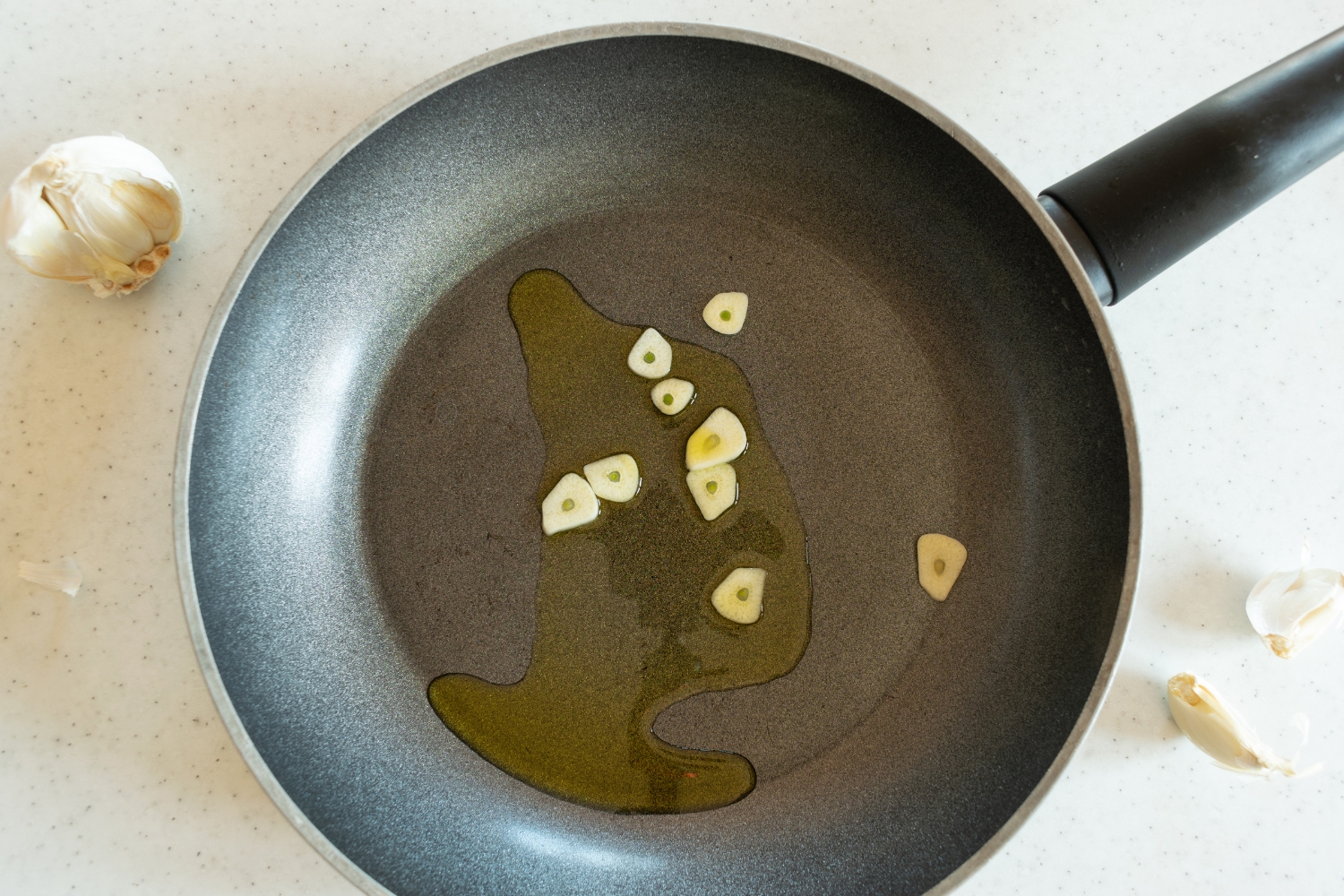
Once the oil is warm, thinly sliced garlic is added and gently sautéed for about 30 seconds. The goal here is to infuse the oil with flavor, not to brown the garlic. Properly cooked garlic should be fragrant and lightly golden, never dark or bitter.
Next comes the spinach. Because spinach cooks down significantly, it’s best added in batches. As each handful wilts, more can be added until all of it fits comfortably in the pan. This step is key to achieving evenly cooked sautéed spinach with a tender texture.
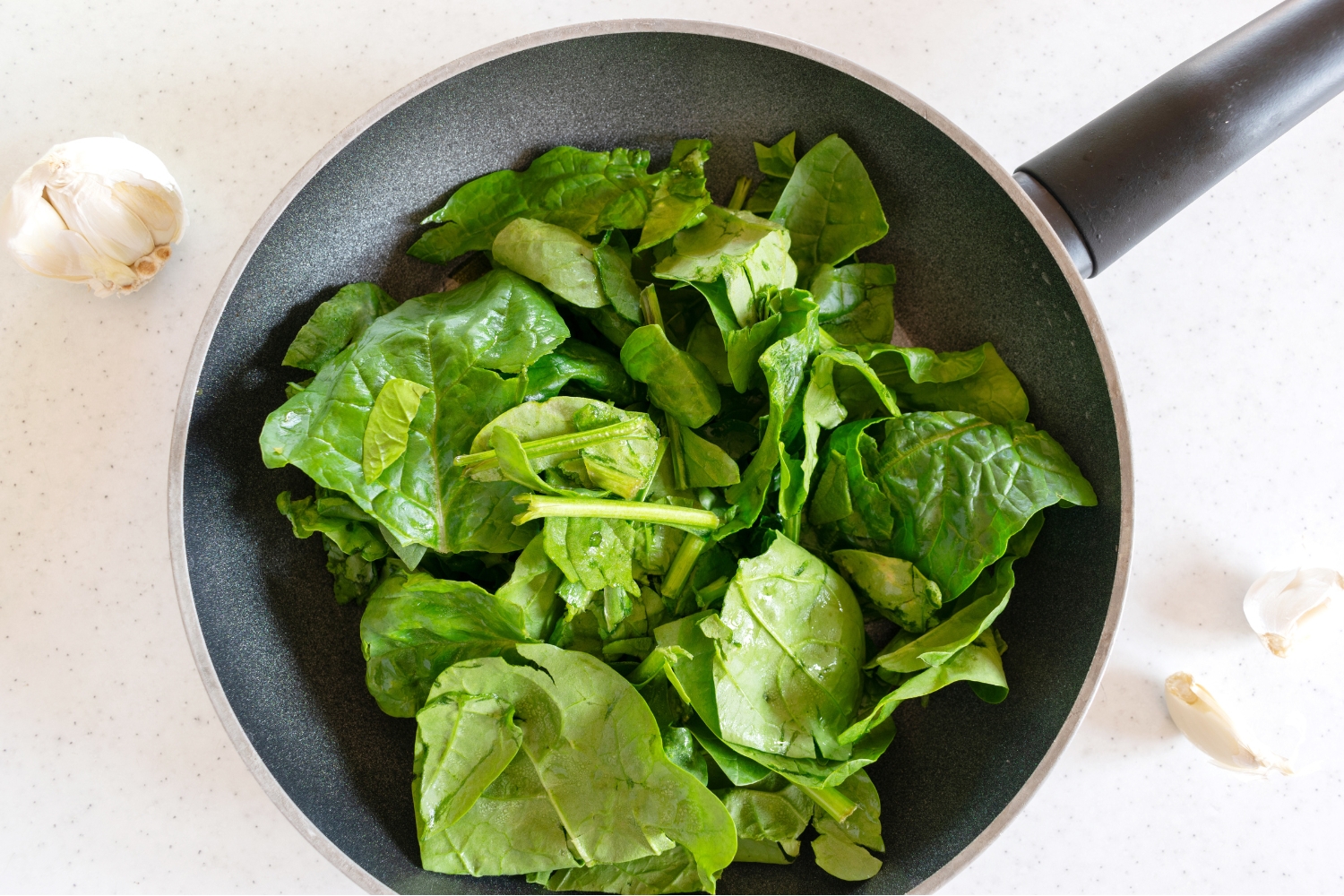
The cooking process itself is brief, just a few minutes until the spinach is fully wilted and vibrant green. Overcooking can lead to a mushy texture and dull color, so keep a close eye on it.
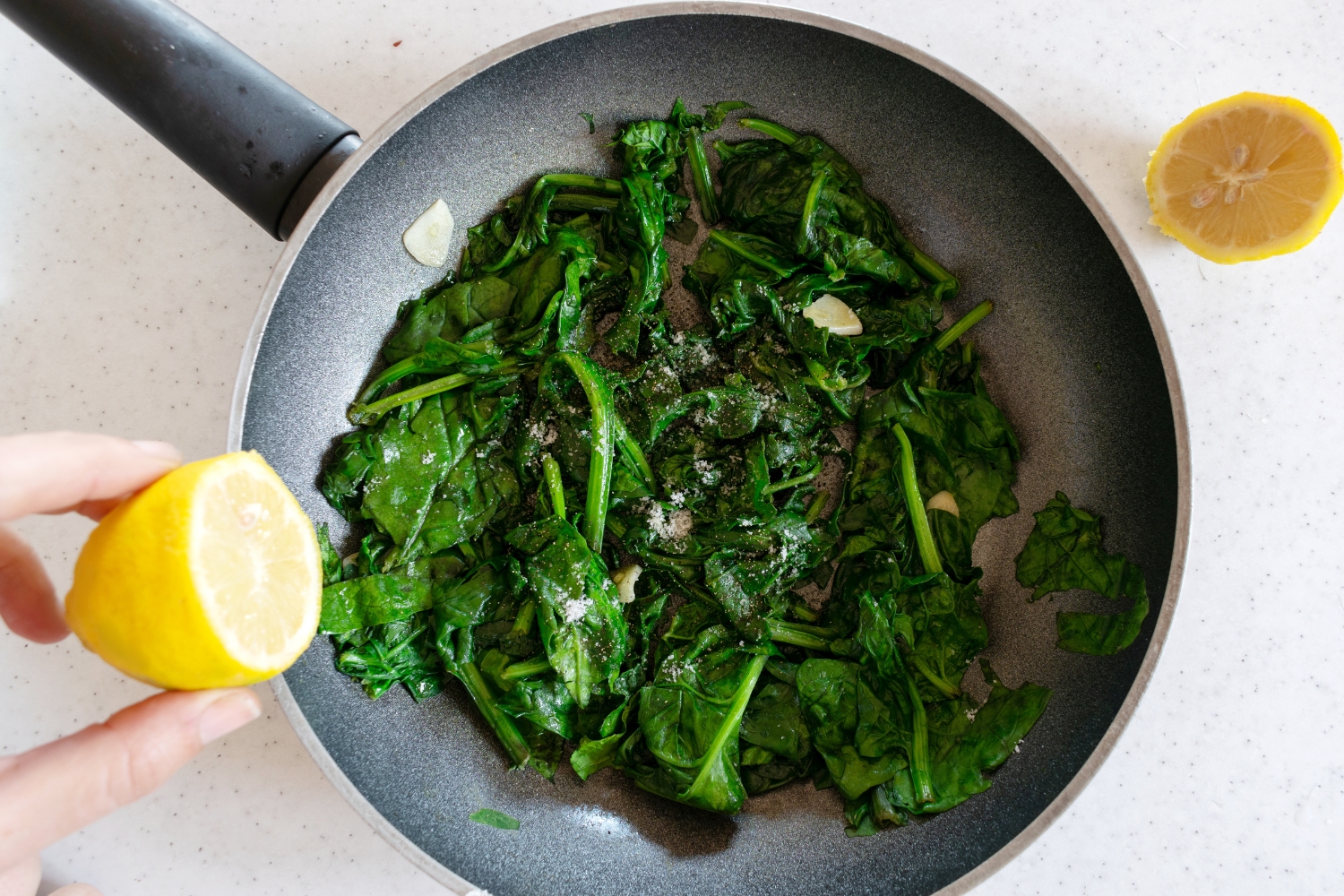
Once removed from the heat, fresh lemon juice is drizzled over the spinach. This final step brightens the dish and ties all the flavors together. Season with salt and freshly ground black pepper, then transfer to a serving dish with lemon wedges on the side.
This method results in sautéed spinach that is tender, flavorful, and perfectly balanced, just as it’s served throughout the Mediterranean.
Helpful Tips
To truly master sautéed spinach, it helps to keep a few simple tips in mind.
First, choose your spinach wisely. Mature spinach has a deeper, more robust flavor, while baby spinach is milder and more delicate. Both work beautifully, so it ultimately comes down to personal preference.
Second, don’t overcrowd the pan. Even though spinach shrinks dramatically, adding it gradually allows it to cook evenly and prevents steaming. Proper sautéing ensures that the leaves retain their texture rather than becoming soggy.
Another important tip is to watch the garlic carefully. Garlic cooks quickly, and even a few extra seconds can turn it from fragrant to bitter. If you’re unsure, it’s better to undercook it slightly than to risk burning it.
Salt should be added thoughtfully. Spinach contains a lot of water, and seasoning too early can draw out moisture and affect the final texture. Adding salt toward the end helps maintain the integrity of the dish.
Finally, always taste before serving. The balance of lemon, salt, and olive oil is what makes sautéed spinach shine. Adjusting these elements to your preference is part of what makes this dish so enjoyable and personal.
Storage and Leftovers
One of the great advantages of sautéed spinach is how well it keeps. While it’s delicious fresh from the pan, it can also be stored and enjoyed later with minimal loss of flavor.
To store, allow the spinach to cool completely before transferring it to an airtight container. It will keep in the refrigerator for up to 3 days. When reheating, use a skillet over low heat or a microwave, just until warmed through. Avoid overcooking during reheating, as this can make the spinach too soft.
Interestingly, sautéed spinach is just as enjoyable cold or at room temperature. In fact, this is a common way to serve greens in Mediterranean cuisine. Leftovers can be added to salads, grain bowls, or even scrambled eggs for a quick and nutritious meal.
If you plan to make it ahead of time, consider adding a fresh squeeze of lemon just before serving to revive the flavors. This small step makes a big difference in maintaining that bright, fresh taste.
Health Benefits of Sautéed Spinach with Lemon
Sautéed spinach is not only delicious, it’s also incredibly nutritious, making it a staple in the Mediterranean diet.
Spinach is packed with vitamins A, C, and K, as well as iron, magnesium, and antioxidants. These nutrients support everything from immune function to bone health. When paired with extra virgin olive oil, the fat helps your body better absorb fat-soluble vitamins, enhancing the overall nutritional value of the dish.
The Mediterranean diet emphasizes whole, minimally processed foods, and sautéed spinach fits perfectly within this framework. Olive oil provides heart-healthy monounsaturated fats, while lemon adds vitamin C and aids in iron absorption from the spinach.
Garlic, though used in small amounts, also contributes its own health benefits, including anti-inflammatory and immune-supporting properties.
Regularly incorporating dishes like sautéed spinach into your meals is a simple and effective way to support long-term health while enjoying flavorful, satisfying food.
FAQs
Can I use frozen spinach instead of fresh?
Yes, but the texture will be softer. Be sure to thaw and drain it thoroughly before cooking to avoid excess moisture.
How do I keep sautéed spinach from becoming watery?
Cook it over medium heat and avoid overcrowding the pan. Adding spinach in batches helps release moisture gradually and allows it to evaporate.
Can I make sautéed spinach ahead of time?
Absolutely. It stores well and can be served warm, cold, or at room temperature. Just refresh it with a little lemon juice before serving.
What pairs well with sautéed spinach?
This dish pairs beautifully with grilled fish, roasted chicken, legumes, and pasta. It’s also excellent in wraps or alongside eggs.
Is sautéed spinach healthy?
Yes, it’s one of the healthiest side dishes you can make. It’s nutrient-dense, low in calories, and perfectly aligned with the Mediterranean diet.

Sautéed Spinach with Lemon
Ingredients
- 2 tablespoons extra virgin olive oil
- 1 pound spinach, stems removed and leaves roughly chopped
- 1 clove garlic, thinly sliced
- juice of 1 lemon
- salt, to taste
- freshly ground black pepper, to taste
- lemon wedges, for serving
Instructions
- Heat the olive oil: in a large skillet over medium heat.
- Sauté the Garlic: Add the garlic and sauté it for 30 seconds, until it becomes fragrant.
- Cook the Spinach: Add the spinach in batches, stirring it until it wilts before adding more. Continue cooking for 2 to 3 minutes, until it is fully wilted and tender.
- Add Lemon and Seasoning: Remove the skillet from the heat and drizzle the lemon juice over the spinach. Season it with salt and freshly ground black pepper to taste, and stir to combine.
- Serve: Transfer the spinach to a serving dish and serve it with lemon wedges on the side. Serve warm or at room temperature.
Nutrition
About the Author: Jess Haines-Stephan