This asparagus frittata is a beautiful example of how simple, seasonal ingredients can come together to create a nourishing and elegant dish. Created by long-time Mediterranean Living collaborator Koula Barydakis, this recipe reflects the heart of traditional Mediterranean cooking, fresh vegetables, high-quality olive oil, and balanced flavors.
Bill Bradley, founder of Mediterranean Living, and Koula, co-authored the beloved cookbook Foods of Crete, which celebrates the rich culinary traditions of Crete, one of the regions most closely associated with the Mediterranean diet. This asparagus frittata fits seamlessly into that tradition, showcasing how eggs, vegetables, and cheese can create a wholesome and satisfying meal.
Light yet filling, this asparagus frittata is perfect for breakfast, brunch, or even a simple dinner. It’s quick to prepare, packed with nutrients, and versatile enough to serve in a variety of ways. Whether you’re cooking for yourself or sharing with family, this dish delivers both flavor and nourishment.
What is a Frittata?
A frittata is an Italian-style egg dish similar to an omelet or crustless quiche, but with a few key differences. Unlike an omelet, which is typically folded, a frittata is cooked slowly and finished in the oven, allowing the eggs to set evenly throughout.
In Mediterranean cuisine, frittatas are often used as a way to highlight fresh, seasonal vegetables. This asparagus frittata follows that tradition by placing asparagus at the center of the dish, complemented by tomatoes, feta cheese, and olive oil.
What makes a frittata particularly appealing is its versatility. It can be served hot, warm, or even at room temperature, making it ideal for gatherings, picnics, or meal prep. In many Mediterranean households, dishes like this are a staple because they are simple, economical, and deeply satisfying.
How to Make an Asparagus Frittata
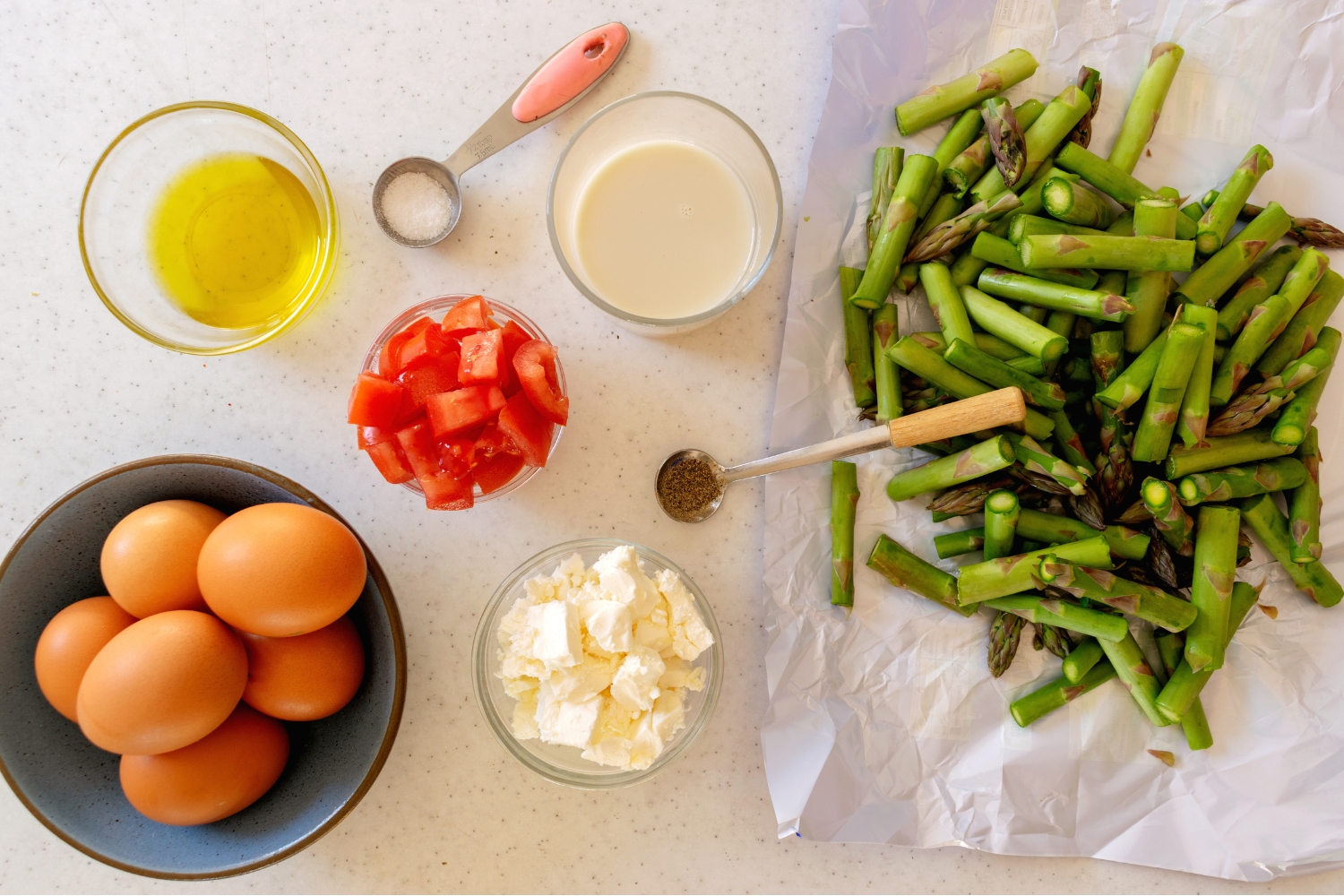
Making an asparagus frittata is straightforward, but attention to detail ensures the best results. Start by preheating your oven to 350°F. This step is essential because the frittata finishes cooking in the oven, which gives it its signature texture.
Next, heat extra virgin olive oil in an oven-safe skillet over medium heat. Add the asparagus and sauté it for about 3 minutes, just until it begins to soften. You want the asparagus to retain some structure, as it will continue cooking later.
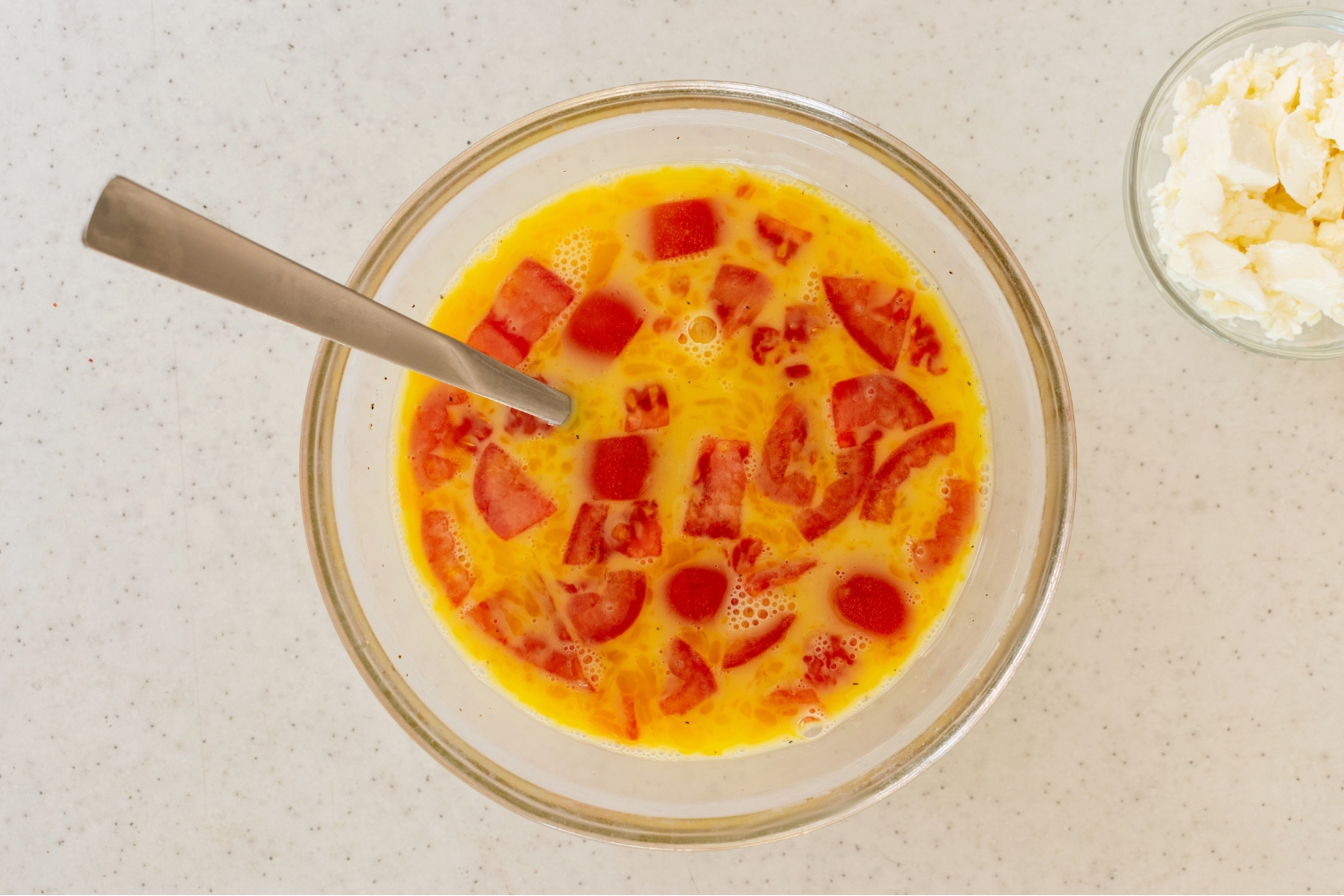
While the asparagus cooks, prepare the egg mixture by whisking together eggs, fresh tomato, salt, black pepper, and milk. This combination creates a light, fluffy texture while adding layers of flavor.
Once the asparagus is ready, pour the egg mixture into the skillet. Allow it to cook undisturbed for a few minutes, until the edges begin to set. This step helps create a stable base for the frittata.
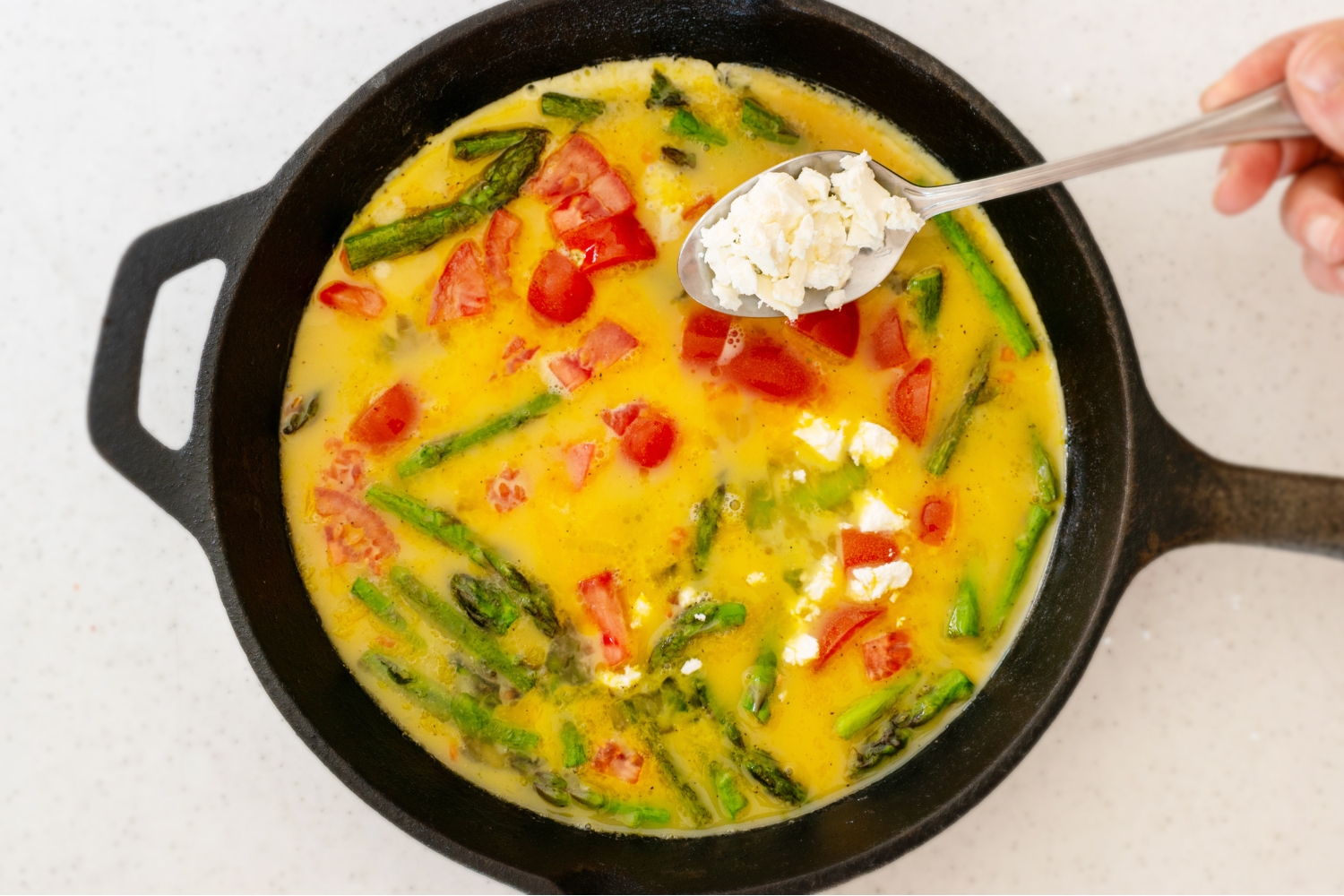
Sprinkle crumbled feta cheese evenly over the top, then transfer the skillet to the oven. Bake for about 10 minutes, or until the eggs are fully set but still tender.
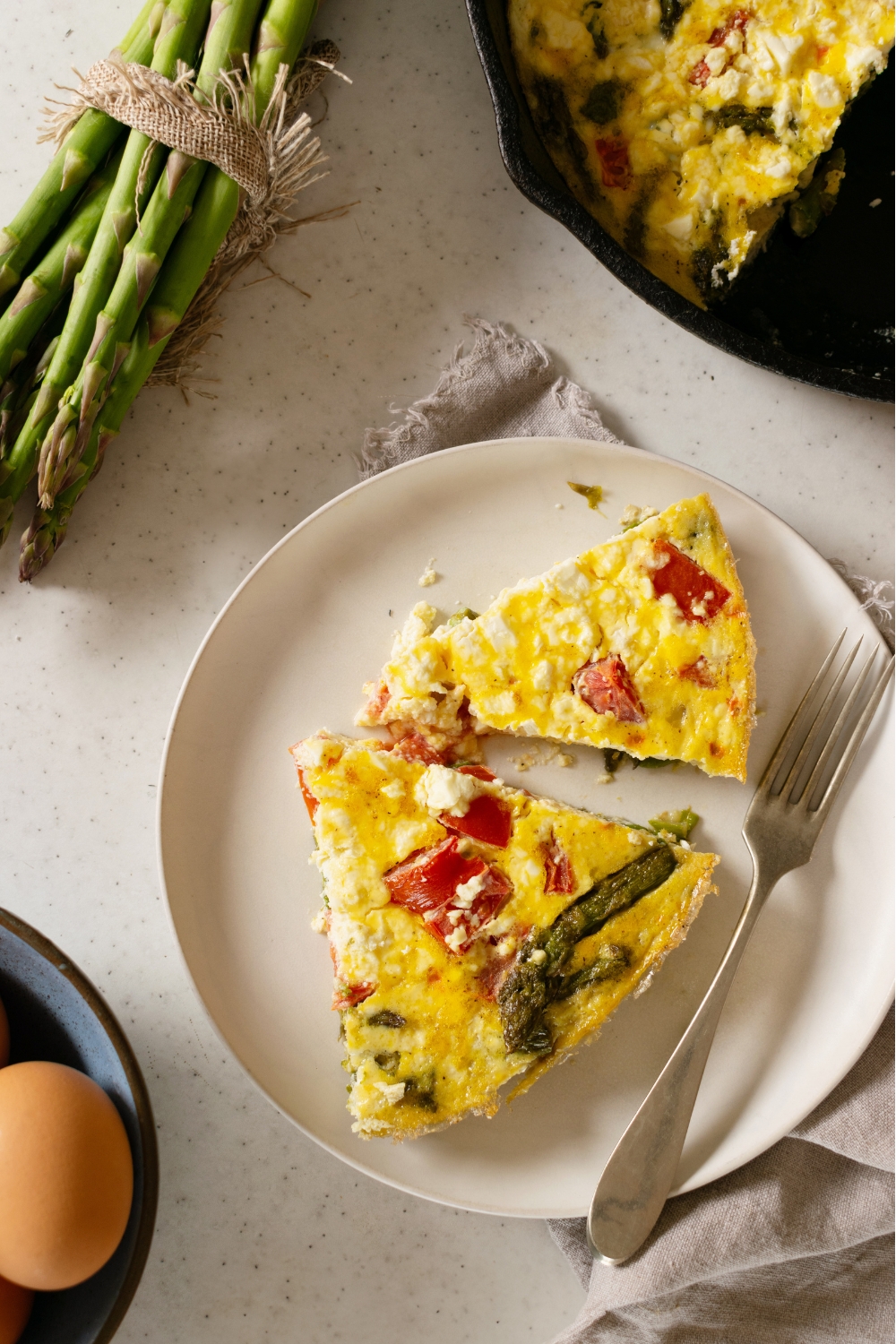
The result is a perfectly cooked asparagus frittata with a soft interior, slightly golden top, and vibrant flavor in every bite. This method ensures the eggs remain light while the asparagus stays fresh and slightly crisp.
Helpful Tips and Tricks
To make the best asparagus frittata, start with fresh asparagus. Look for firm stalks with bright green color and tightly closed tips. If the ends are tough, snap them off before cutting.
Use a well-seasoned or nonstick oven-safe skillet to prevent sticking and ensure easy serving. Cast iron pans work particularly well for frittatas.
Don’t overcook the asparagus during the sautéing step. It should be slightly underdone before adding the eggs, as it will continue cooking in the oven.
When whisking the eggs, avoid overmixing. A gentle whisk is enough to combine the ingredients while keeping the texture light.
Keep an eye on the frittata while it bakes. Overbaking can result in dry eggs, so remove it from the oven as soon as the center is set.
Finally, let the asparagus frittata rest for a few minutes before slicing. This helps it firm up slightly and makes serving easier.
What to Serve with an Asparagus Frittata
This asparagus frittata pairs beautifully with a variety of Mediterranean-inspired sides. A simple green salad with olive oil and lemon juice complements the richness of the eggs and feta.
Crusty bread is a traditional accompaniment and works perfectly for soaking up any remaining flavors. A slice of rustic sourdough or whole grain bread adds texture and makes the meal more satisfying.
You can also serve this dish alongside olives, fresh fruit, or a small bowl of yogurt for a complete Mediterranean-style meal. For a more substantial spread, consider adding roasted potatoes or grilled vegetables.
Because asparagus frittata is so versatile, it can easily be part of a larger brunch table or enjoyed on its own as a light, balanced meal.
Storage and Leftovers
One of the advantages of an asparagus frittata is how well it stores. Allow the frittata to cool completely before transferring it to an airtight container.
Store it in the refrigerator for up to 3 days. It can be enjoyed cold, at room temperature, or gently reheated in the oven or a skillet.
If reheating, use low heat to prevent the eggs from becoming rubbery. Avoid microwaving if possible, as it can alter the texture.
Leftover asparagus frittata can also be repurposed. Try slicing it into smaller portions for a quick snack or adding it to a sandwich for a satisfying lunch.
Health Benefits of the Asparagus Frittata
This asparagus frittata is a nutrient-dense dish that aligns perfectly with the principles of the Mediterranean diet. It emphasizes whole foods, healthy fats, and a balance of protein and vegetables.
Asparagus is rich in vitamins A, C, and K, as well as folate and fiber. These nutrients support immune health, digestion, and overall wellness.
Eggs provide high-quality protein and essential nutrients like choline, which supports brain health. Feta cheese adds calcium and flavor, while olive oil contributes heart-healthy monounsaturated fats.
The combination of these ingredients makes the asparagus frittata both nourishing and satisfying, offering sustained energy without feeling heavy.
FAQs
Can I use a different vegetable?
Yes, this recipe is very flexible. You can substitute or add vegetables like spinach, zucchini, or mushrooms.
Can I make this dairy-free?
You can omit the feta cheese and use a dairy-free milk alternative if desired.
How do I know when the frittata is done?
The center should be set and no longer jiggly. A knife inserted in the center should come out clean.
Can I make this ahead of time?
Yes, an asparagus frittata can be made in advance and stored in the refrigerator. It reheats well or can be served at room temperature.
What size pan should I use?
An 8- to 10-inch oven-safe skillet works best for even cooking.
This asparagus frittata is a perfect reflection of Mediterranean cooking, simple, fresh, and deeply satisfying. Created by Koula Barydakis, it draws inspiration from the traditions highlighted in Foods of Crete and showcases how a few quality ingredients can create a memorable dish. Whether you’re enjoying it for breakfast, brunch, or a light dinner, this asparagus frittata delivers flavor, nutrition, and versatility in every bite. It’s a recipe you’ll return to again and again, especially when asparagus is in season and at its best.

Asparagus Frittata
Ingredients
- 5 tablespoons extra virgin olive oil
- 1 pound asparagus, cut into 2 inch pieces
- 1 tomato, cubed
- 6 eggs
- 1/4 teaspoon salt
- 1/4 teaspoon freshly ground black pepper
- 1/2 cup whole milk
- 1/2 cup feta cheese, crumbled
Instructions
- Preheat the Oven: Preheat the oven to 350°F.
- Sauté the Asparagus: Heat the olive oil in an oven-safe frying pan over medium heat. Add the asparagus and cook it for 3 minutes, until it begins to soften.
- Prepare the Egg Mixture: In a bowl, beat together the tomato, eggs, salt, black pepper, and milk until well combined.
- Cook the Eggs: Pour the egg mixture into the skillet with the asparagus and cook it for 3 minutes, until it just begins to set.
- Add the Cheese: Sprinkle the crumbled feta cheese evenly over the top.
- Bake: Transfer the skillet to the oven and bake for 10 minutes, until the eggs are fully set.
- Serve: Remove from the oven and serve warm.
Nutrition
About the Author: Jess Haines-Stephan