
There is something magical about transforming just a handful of humble ingredients into something deeply satisfying. This gluten-free flatbread, known traditionally as socca in France and farinata in Italy, is one of the Mediterranean’s most beloved examples of simple food done exceptionally well. Made from chickpea flour, olive oil, water, and salt, socca has been enjoyed for centuries along the sun-drenched coasts of Nice and Liguria.
Served hot from the oven with crisp edges and a tender center, this gluten-free flatbread is rustic, nourishing, and endlessly versatile. It can be eaten plain with cracked black pepper, topped with vegetables and herbs, or used as a naturally gluten-free base for creative Mediterranean meals.
In true Mediterranean fashion, the beauty of this recipe lies in restraint. No complicated techniques. No unnecessary ingredients. Just chickpeas, olive oil, and heat, creating a dish that feels both ancient and modern at the same time.
What Is Socca?
Socca is a thin, savory flatbread made from chickpea flour (also called garbanzo bean flour), olive oil, water, and salt. It originated in Nice, France, but variations stretch across the Mediterranean basin, particularly in Ligurian Italy, where it is called farinata.
Traditionally, socca was baked in large copper pans inside wood-fired ovens, which gave it its signature crispy edges and slightly creamy center. Vendors would sell slices wrapped in paper as street food, enjoyed hot and sprinkled with black pepper.
Today, socca remains a staple of Mediterranean home cooking because it aligns beautifully with traditional dietary patterns:
-
Plant-based and legume-focused
-
Rich in heart-healthy olive oil
-
Simple and minimally processed
-
Naturally gluten-free
This gluten-free flatbread is a perfect example of how Mediterranean cultures relied on legumes not only for stews and soups but also for breads and snacks.
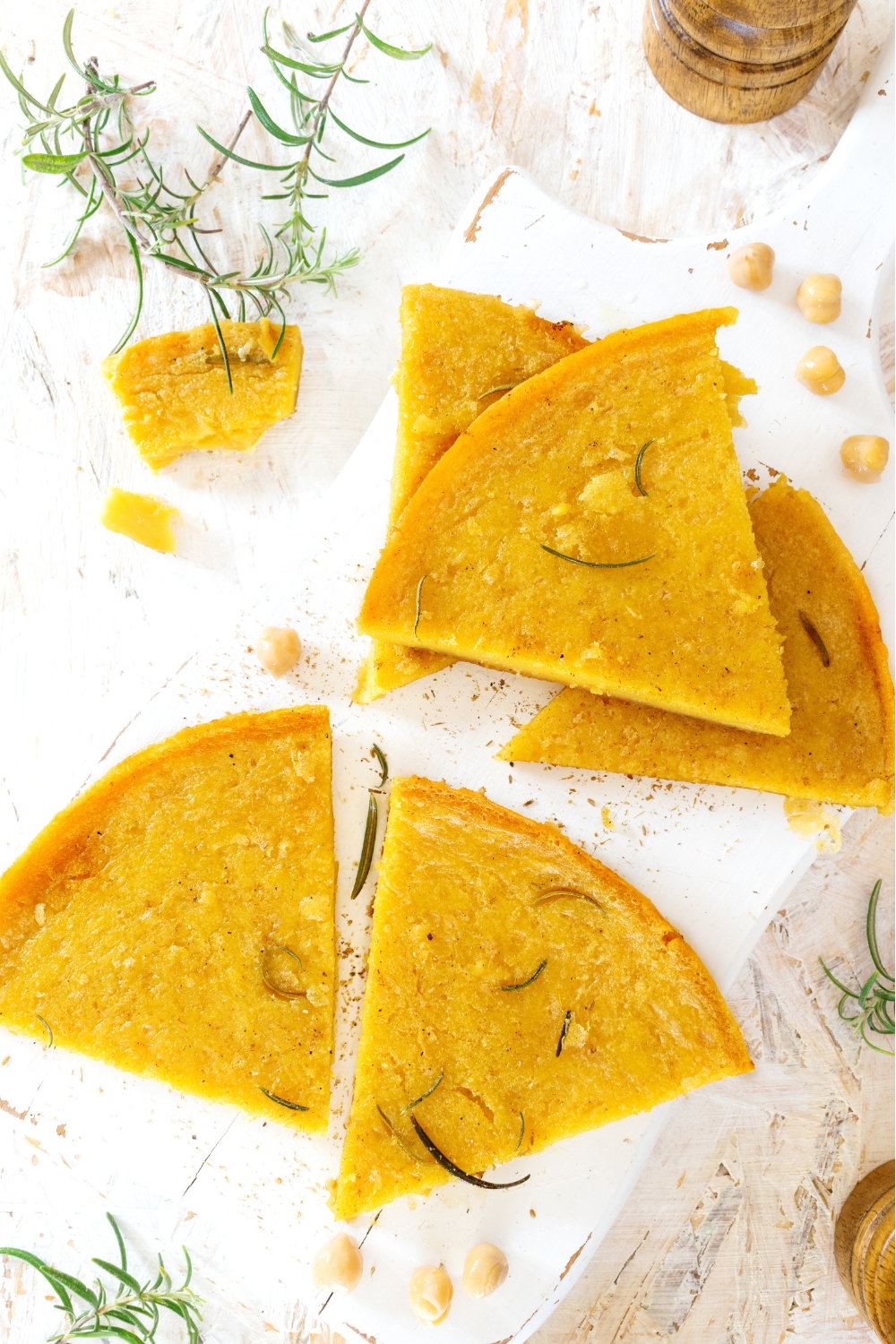
How to Make Gluten-Free Flatbread
Making this gluten-free flatbread at home is surprisingly simple. The most important components are resting the batter and preheating the pan properly.
Step 1: Mix the Batter
In a medium bowl, whisk together chickpea flour, warm water, extra virgin olive oil, and salt. Whisk until smooth. The batter should resemble thin pancake batter.
Step 2: Rest the Batter
Let the mixture rest for at least 30 minutes at room temperature. This allows the chickpea flour to fully hydrate, improving texture and digestibility.
Step 3: Preheat the Oven and Skillet
Preheat the oven to 450°F and place an 8-inch cast iron skillet inside while it heats. A properly heated skillet is key to crispy edges.
Step 4: Add Oil and Batter
Carefully remove the hot skillet. Add ¼ cup olive oil and swirl to coat the bottom evenly. Immediately pour in the batter and tilt the pan to spread it evenly.
Step 5: Bake
Return to the oven and bake for 20–25 minutes, until the edges are golden and crisp and the center is set.
Step 6: Serve
Cut into wedges, sprinkle with freshly ground black pepper, and serve hot.
This gluten-free flatbread is best enjoyed immediately, when the edges are crisp and the interior is tender.
Helpful Tips and Tricks
To ensure your gluten-free flatbread turns out perfectly every time, keep these tips in mind:
Use High Heat: Socca needs a hot oven to develop its signature texture.
Don’t Skip the Resting Time: This step improves flavor and reduces any raw chickpea taste.
Preheat the Pan: A hot skillet prevents sticking and creates crispy edges.
Use Good Olive Oil: Since olive oil is a main flavor component, quality matters.
Thin Is Better: Socca should be relatively thin. If your pan is too small, consider dividing the batter and baking in batches.
Finish Under the Broiler (Optional): For extra browning, broil for 1–2 minutes at the end.
Optional Toppings
While this gluten-free flatbread is delicious on its own, toppings elevate it into a complete meal.
Try:
-
Caramelized onions
-
Roasted cherry tomatoes
-
Sautéed mushrooms
-
Fresh rosemary or thyme
-
Crumbled feta
-
Dollops of tzatziki
-
Hummus and chopped cucumbers
-
Arugula with lemon
Socca can also function as a gluten-free pizza base. Add toppings during the last few minutes of baking and return briefly to the oven.
For a Mediterranean appetizer spread, serve slices alongside olives, labneh, and grilled vegetables.
Storage and Leftovers
This gluten-free flatbread is best enjoyed fresh, but leftovers can still be delicious.
Refrigerator: Store in an airtight container for up to 3 days.
Reheating: Reheat in a hot skillet or 400°F oven for 5–7 minutes to restore crispness. Avoid microwaving, as it softens the texture.
Freezing: Socca can be frozen for up to 1 month. Wrap tightly and reheat in the oven directly from frozen.
Leftover slices can also be cut into strips and served as dipping “chips” for soups or spreads.
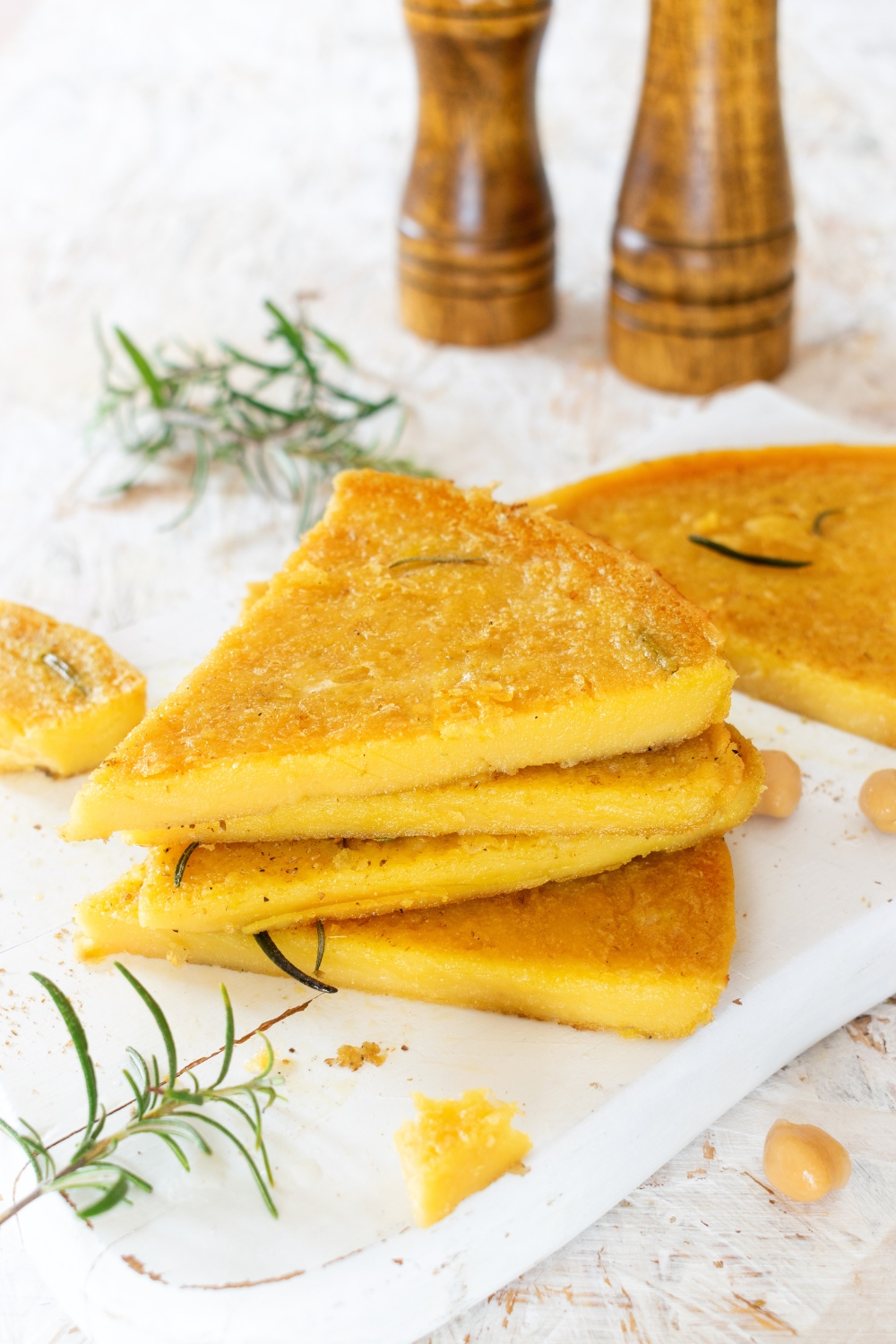
Health Benefits
Socca isn’t just flavorful, it’s nutritionally impressive.
High in Plant-Based Protein:
Chickpea flour provides protein that supports muscle health and sustained energy.
Rich in Fiber:
Chickpeas are high in dietary fiber, supporting digestive health and balanced blood sugar.
Heart-Healthy Fats:
Extra virgin olive oil delivers monounsaturated fats associated with improved cardiovascular outcomes.
Naturally Gluten-Free & Vegan:
This gluten-free flatbread fits seamlessly into gluten-free, vegan, and Mediterranean Diet eating patterns.
Mineral-Rich:
Chickpeas supply iron, magnesium, zinc, and folate, nutrients essential for metabolic and cellular function.
Because it is based on legumes and healthy fats rather than refined grains, this flatbread provides steady energy without the crash often associated with processed breads.
FAQs
What does socca taste like?
It has a nutty, slightly earthy flavor from the chickpeas, with crispy edges and a soft interior.
Can I make it without a cast-iron skillet?
Yes. Any oven-safe skillet works, though cast iron produces the best crisp texture.
Is it filling?
Yes. Thanks to its protein and fiber content, this gluten-free flatbread is satisfying as a snack or light meal.
Can I prepare the batter ahead of time?
Yes. The batter can rest in the refrigerator for up to 12 hours. Stir before using.
Can I make it thinner or thicker?
For traditional texture, keep it thin. Thicker versions may remain soft in the center.
A Simple Mediterranean Classic
This gluten-free flatbread represents Mediterranean cooking at its finest, minimal ingredients, maximum flavor, and deep culinary history. It is rustic yet refined, simple yet nourishing.
Whether served plain with black pepper, topped with roasted vegetables, or used as a gluten-free pizza base, this socca delivers both comfort and nutrition. It’s proof that everyday ingredients, chickpea flour, olive oil, and water, can create something extraordinary.
With its crispy edges, tender center, and nourishing profile, this gluten-free flatbread deserves a place in your regular rotation.
Gluten-free Flatbread (Socca)
Ingredients
For the Batter:
- 1 cup chickpea flour
- 1 cup warm water
- 2 tablespoons extra virgin olive oil
- 1/2 teaspoon salt
For the skillet:
- 1/4 cup extra virgin olive oil
- freshly ground black pepper
Instructions
- Mix the Batter: In a medium bowl, whisk together the chickpea flour, warm water, 2 tablespoons olive oil, and salt until smooth. Let the batter rest at room temperature for 30 minutes.
- Preheat the Oven and Skillet: Preheat the oven to 450°F. Place an 8-inch cast iron skillet in the oven while it preheats.
- Add Oil and Batter: Carefully remove the hot skillet from the oven. Add ¼ cup olive oil, swirling to coat the bottom evenly. Immediately pour in the batter and tilt the pan so it spreads evenly.
- Bake: Return the skillet to the oven and bake for 20–25 minutes, until the edges are crispy and the center is set.
- Serve: Cut into wedges, sprinkle with freshly ground black pepper, and serve hot.
Nutrition
About the Author: Jess Haines-Stephan


Delish!