
Mediterranean Food for Beginners | Top 10 Foods
By Mediterranean Living
Updated July 24, 2026
Mediterranean Food for Beginners: Start With One Meal, Not a Whole New Pantry
When people first become interested in Mediterranean food, they often picture a long shopping list. They imagine unfamiliar grains, expensive fish, dozens of spices, and a pantry that needs to be rebuilt from the ground up.
Fortunately, that is not how Mediterranean eating has to begin.
In fact, some of the best Mediterranean meals are built from a small group of simple foods used again and again. Olive oil becomes a dressing, a cooking fat, and a finishing sauce. Garlic adds flavor to vegetables, beans, bread, and fish. Yogurt becomes breakfast, a snack, or a creamy dressing. A can of beans can turn into soup, salad, or dip.
So instead of giving you a list of one hundred Mediterranean ingredients, we are going to focus on ten foods that create a strong beginner foundation. Even better, all ten can fit naturally into one satisfying meal:
- Roasted garlic in extra virgin olive oil
- White Bean Dip with Pickled Red Onions
- Whole grain sourdough bread
- Grilled Salmon Salad with Yogurt Dill Dressing
- Greek yogurt with berries and walnuts
This meal includes healthy fats, beans, whole grains, fish, herbs, fermented dairy, leafy greens, fruit, nuts, and plenty of flavor. It feels abundant rather than restrictive. It also shows what Mediterranean food is really about: simple ingredients that work together.
As you read, keep this meal in mind. You do not need to make every part at once. You can begin with the bean dip and bread, add the salmon salad another night, and save the yogurt bowl for breakfast. The goal is not perfection. The goal is to make your next meal a little more Mediterranean.
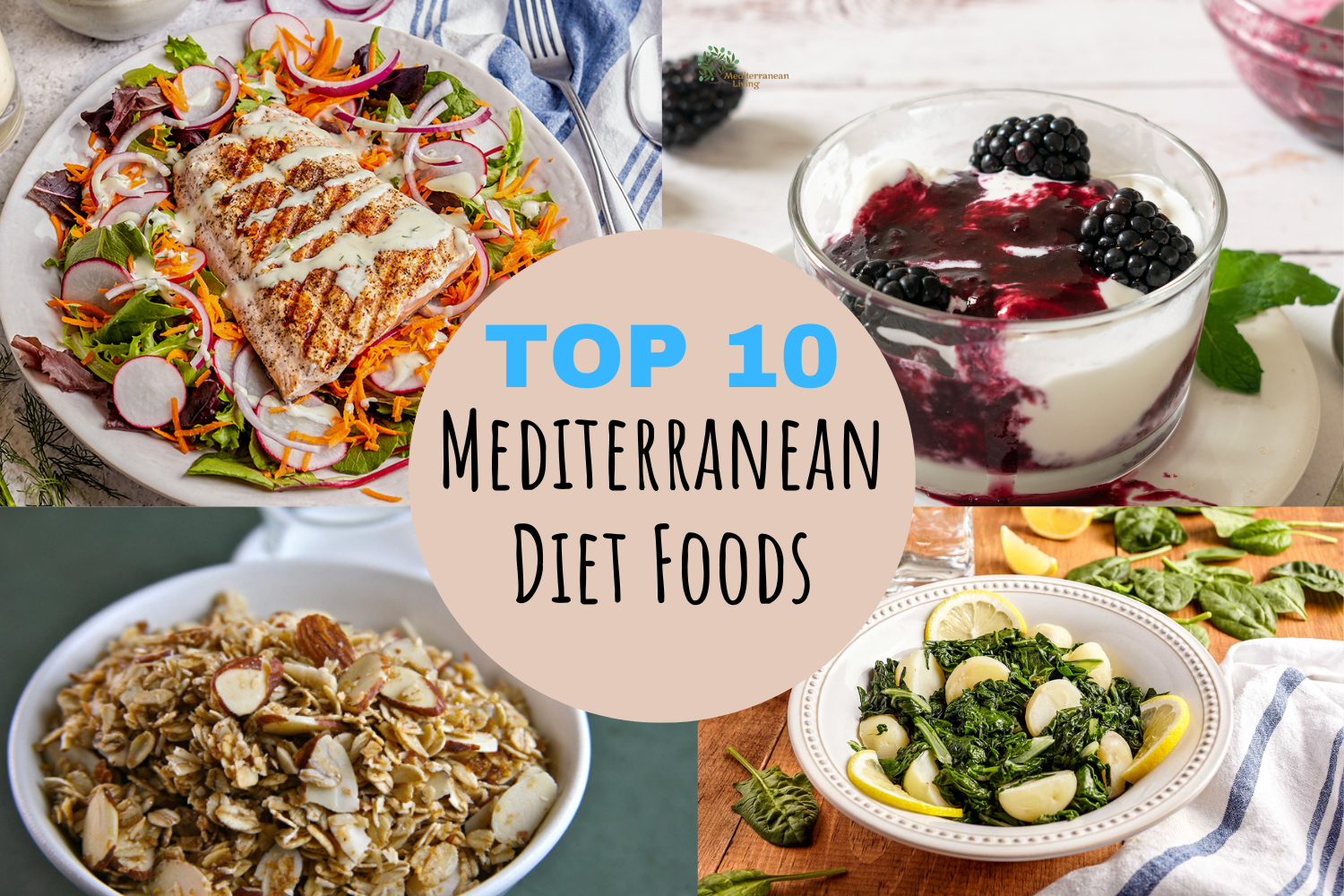
One Beginner Mediterranean Meal That Uses All Ten Foods
Before we break down the ten foods, let us look more closely at how they fit together on one table.
Start with a few cloves of garlic roasted slowly in extra virgin olive oil. Spread the soft garlic on a slice of whole grain sourdough bread, or mash it into the olive oil for dipping. Next, add a bowl of creamy white bean dip topped with pickled red onions. The beans provide substance, while the onions add acidity and crunch.
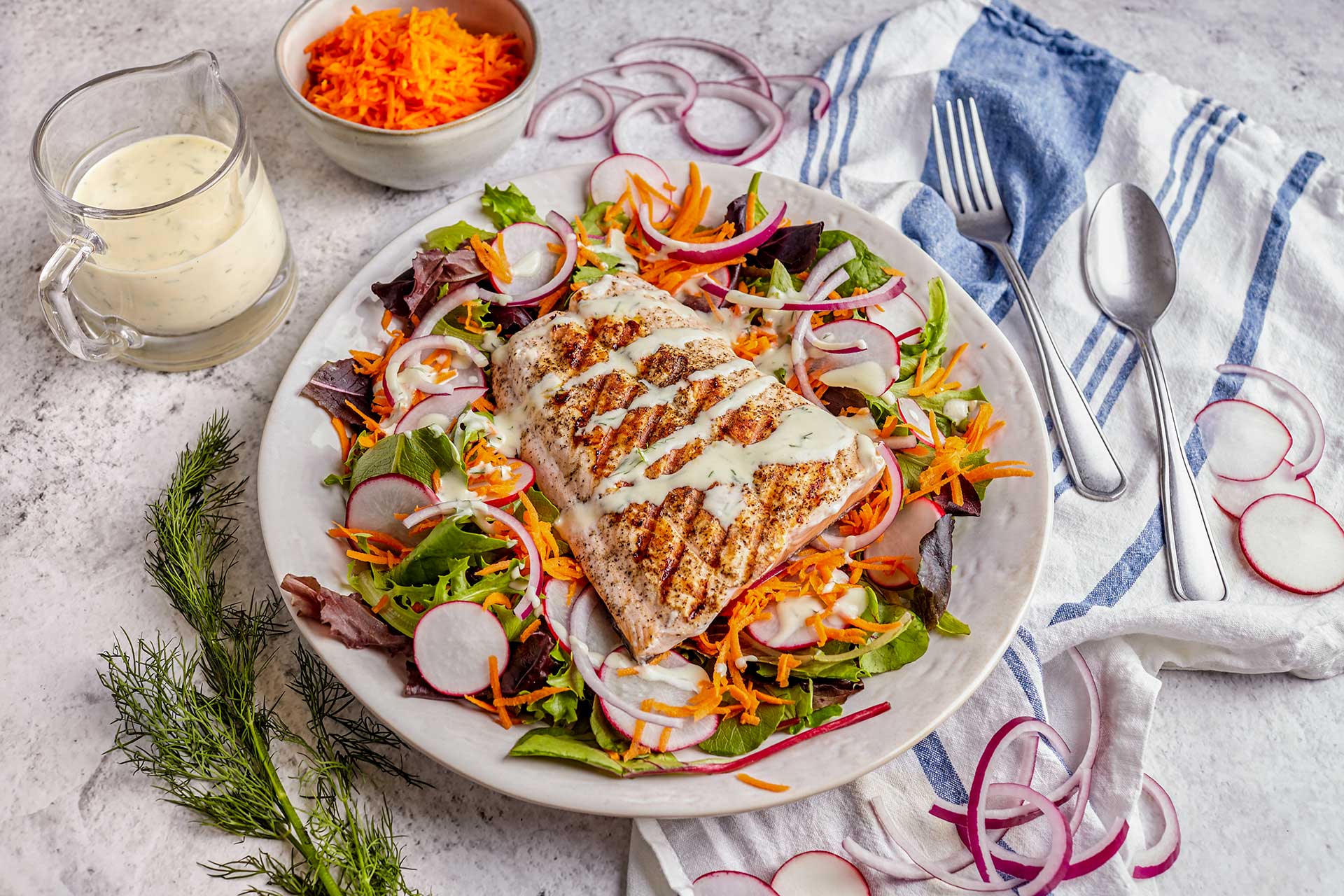
For the main dish, serve grilled salmon over leafy greens with cucumber, carrots, and radishes. A dressing made with Greek yogurt, fresh dill, lemon, and olive oil brings the whole salad together. Then finish the meal with Greek yogurt, berries, and walnuts.
Nothing on this table is especially complicated. All of the ingredients are available in an ordinary grocery store. Several can come from a can, freezer, or refrigerator. Yet together, they create a colorful meal with different textures, flavors, and food groups.
This is a useful way to think about Mediterranean food for beginners. You are not collecting isolated “superfoods.” You are learning a flexible pattern. Beans taste better with olive oil and garlic. Greens become more appealing with herbs and a creamy yogurt dressing. Whole grain bread makes a simple dip feel like a meal. Fruit and nuts turn yogurt into an easy dessert.
Two recipes that make the meal easy
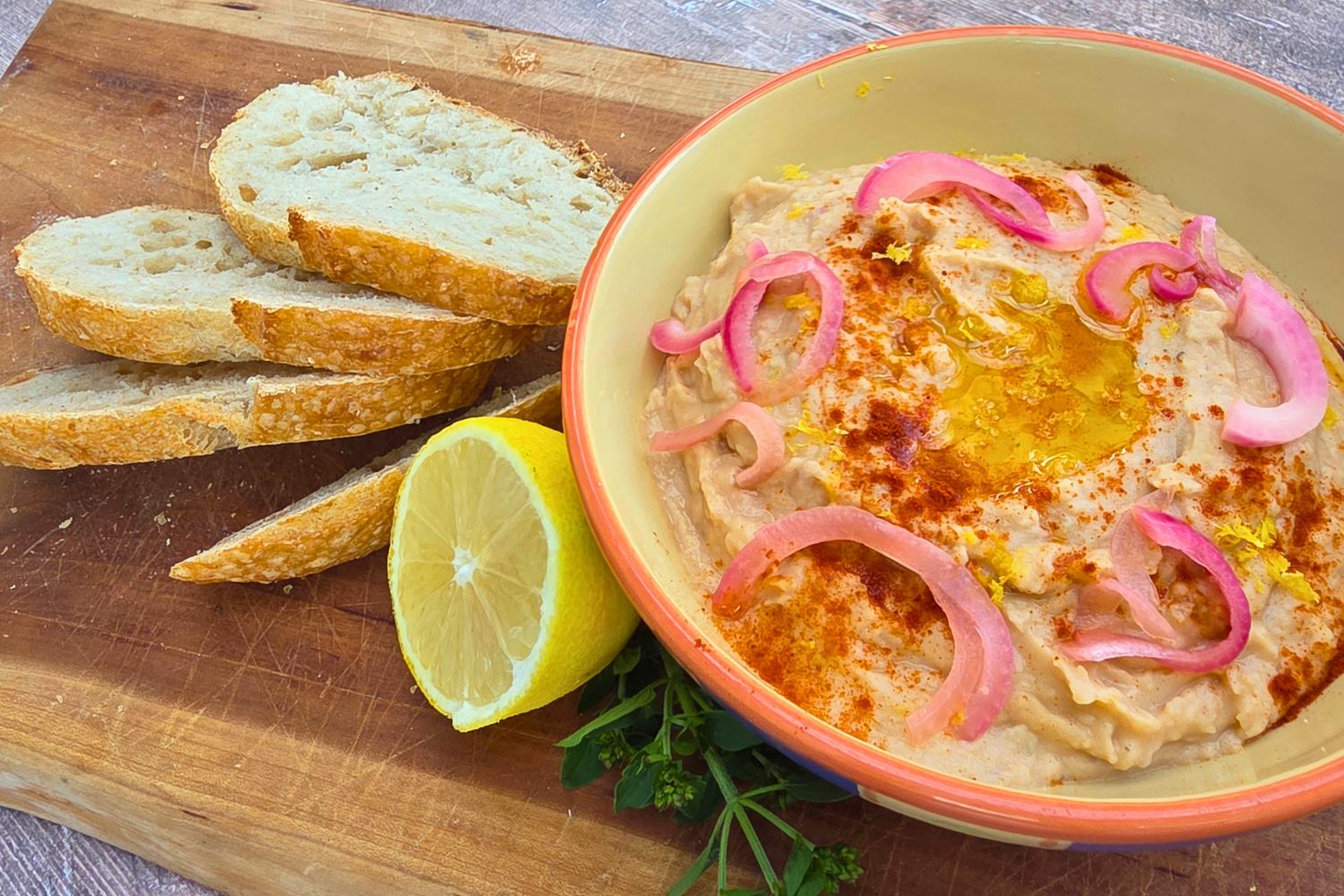
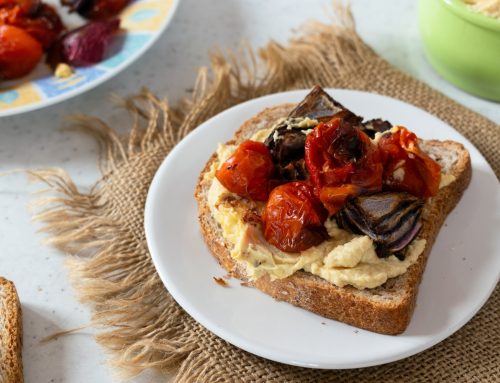
Our White Bean Dip with Pickled Red Onions uses cannellini beans, lemon, smoked paprika, olive oil, and tangy onions. Because it starts with canned beans, it comes together quickly and works as a snack, appetizer, spread, or part of a full meal.
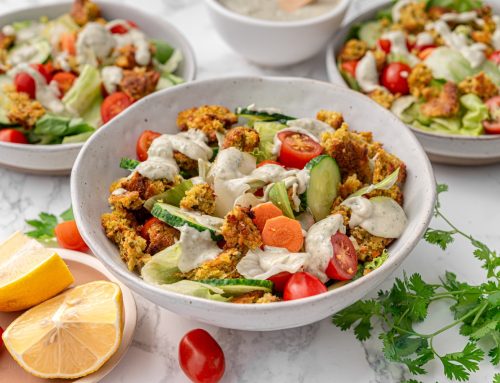
Our Grilled Salmon Salad with Yogurt Dill Dressing combines salmon, greens, fresh vegetables, Greek yogurt, dill, lemon, and olive oil. It is a great example of how several Mediterranean staples can become one practical main course.
You can make both recipes for a gathering. However, you can also use them as a blueprint. Buy a prepared bean dip when you are busy. Cook the salmon in a skillet or air fryer instead of grilling it. Use frozen berries when fresh berries are expensive. Mediterranean eating works best when it fits real life.
What Is Mediterranean Food?
Mediterranean food is the traditional food of the many countries and regions surrounding the Mediterranean Sea. That includes places such as Greece, Italy, Spain, southern France, Turkey, Lebanon, Morocco, Tunisia, Croatia, and many others.
There is no single Mediterranean cuisine. A meal in Crete will not look exactly like a meal in Morocco. The herbs, grains, cooking methods, and favorite dishes change from place to place. Still, many traditional food patterns share a common foundation.
Vegetables, beans, fruit, whole grains, herbs, olive oil, nuts, and seeds appear often. Fish and seafood are common in coastal areas. Yogurt and cheese are eaten in moderate amounts. Meat may be included, but it is usually not the largest part of the plate. Meals are also shaped by season, local agriculture, family traditions, and the pleasure of eating together.
That last point matters. Healthy Mediterranean food is not simply a nutrient checklist. Flavor, enjoyment, and consistency are central to the pattern. People are more likely to keep eating vegetables when those vegetables are roasted in olive oil, seasoned with garlic, and finished with herbs and lemon.
Mediterranean food is also not automatically low in carbohydrates, low in fat, vegetarian, or complicated. Bread, pasta, rice, and potatoes can all have a place. Olive oil and nuts provide generous amounts of healthy fat. Fish, beans, yogurt, eggs, poultry, and occasional meat can all contribute protein.
For beginners, the easiest definition is this: Mediterranean food is a plant-forward way of eating that uses simple ingredients, healthy fats, and bold flavor to create satisfying meals.
1. Extra Virgin Olive Oil
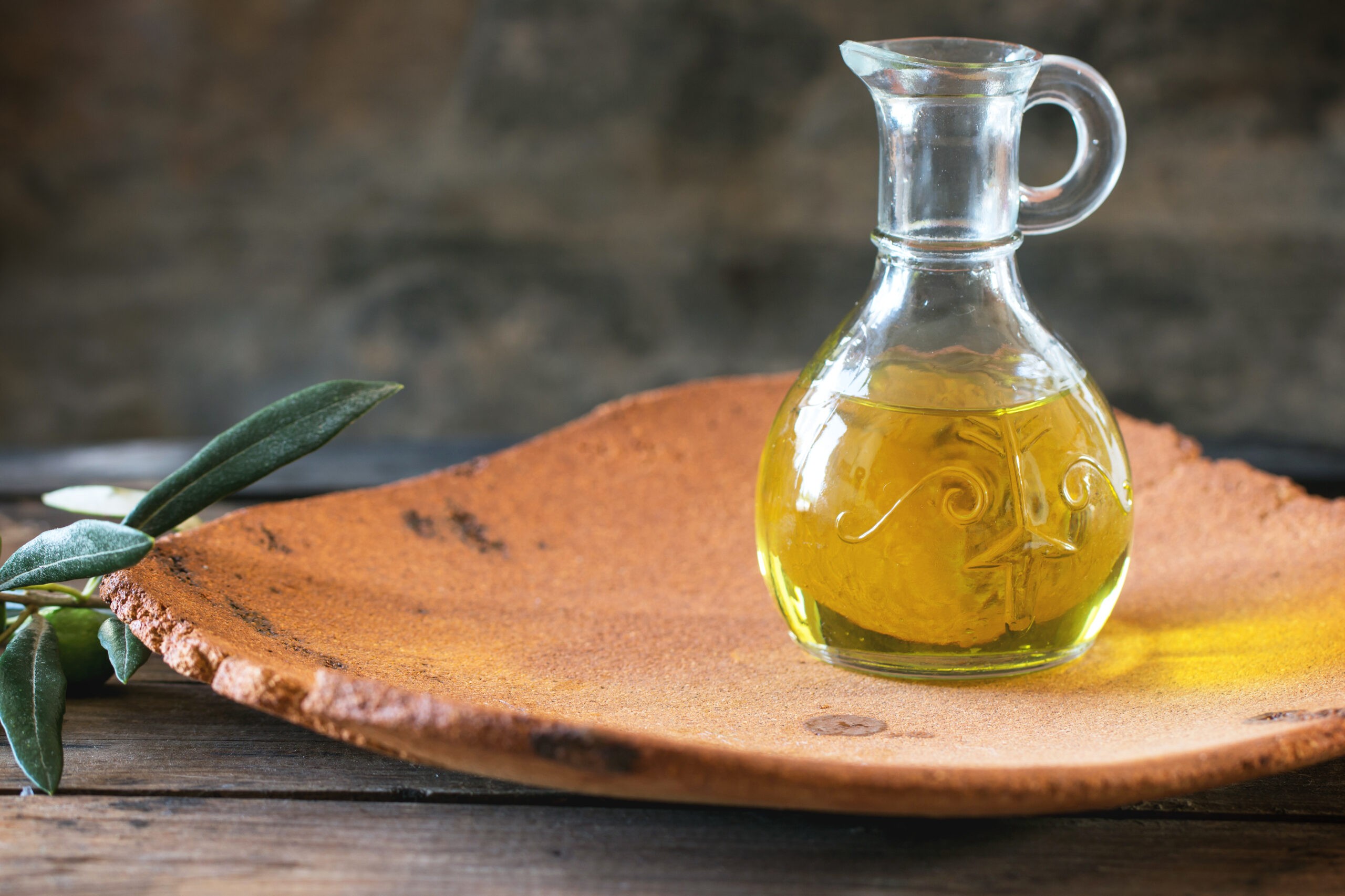
Extra virgin olive oil is one of the most recognizable Mediterranean staples. In traditional kitchens, it is not saved for an occasional salad. It is used to cook vegetables, dress beans, finish soups, marinate fish, and bring flavor to bread.
Why it belongs in Mediterranean food
Extra virgin olive oil provides mostly monounsaturated fat, along with plant compounds that give quality olive oil its peppery, sometimes slightly bitter taste. Large studies of Mediterranean eating, including the PREDIMED trial, have helped connect a Mediterranean pattern rich in extra virgin olive oil with cardiovascular benefits. Regular use has also been associated with healthy aging and longevity.
Still, olive oil is not magic on its own. Its greatest value may be how it helps other healthy foods taste better. A bowl of greens becomes more satisfying with olive oil and lemon. Beans become richer and more flavorful with a generous drizzle. Roasted vegetables brown beautifully when coated with oil.
How beginners can use it
Use extra virgin olive oil as your default oil for salad dressings, sautéing over moderate heat, roasting, and finishing cooked foods. For the featured meal, roast garlic cloves in olive oil until they become soft and sweet. Then spoon the oil over bread or use it to enrich the white bean dip.
You do not need the most expensive bottle. Look for extra virgin olive oil in a dark bottle or tin, check the harvest or best-by date, and choose a size you can use while it still tastes fresh.
Beginner takeaway: Put the olive oil where you can see it, and use it to make vegetables, beans, whole grains, and fish taste better.
2. Garlic
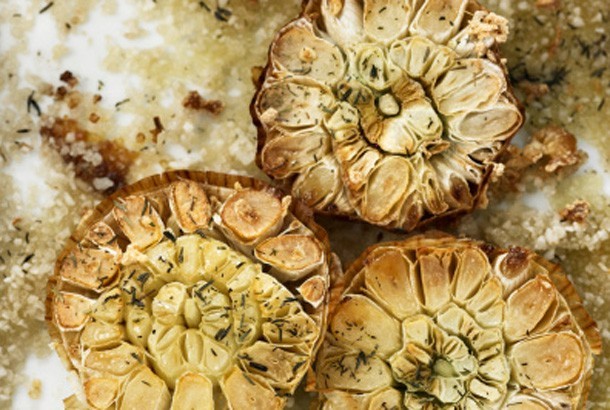
Garlic appears across Mediterranean cooking in sauces, soups, marinades, vegetable dishes, beans, and seafood. Sometimes it is sharp and raw. Other times it is cooked slowly until sweet and mellow.
Why it belongs in Mediterranean food
Garlic brings a great deal of flavor without requiring heavy sauces or excessive salt. That makes it practical, not just traditional. When healthy food tastes exciting, people are more likely to make it again.
Research suggests that garlic may support healthy blood pressure and cholesterol levels. However, you do not need to treat it like a supplement. Garlic works best as part of an overall eating pattern filled with vegetables, legumes, whole grains, herbs, and healthy fats.
How beginners can use it
Start by adding one minced clove to olive oil before cooking greens, beans, or vegetables. Keep the heat moderate so the garlic does not burn. You can also rub a cut clove over toasted sourdough bread or whisk grated garlic into a yogurt dressing.
For a gentler flavor, roast a whole head. Slice off the top, drizzle it with olive oil, wrap it loosely, and bake until the cloves are soft. The roasted garlic from our beginner meal can be spread directly on bread or stirred into bean dip.
Beginner takeaway: Learn one garlic technique—minced, grated, or roasted—and use it to make a familiar food more flavorful.
3. Beans and Other Legumes
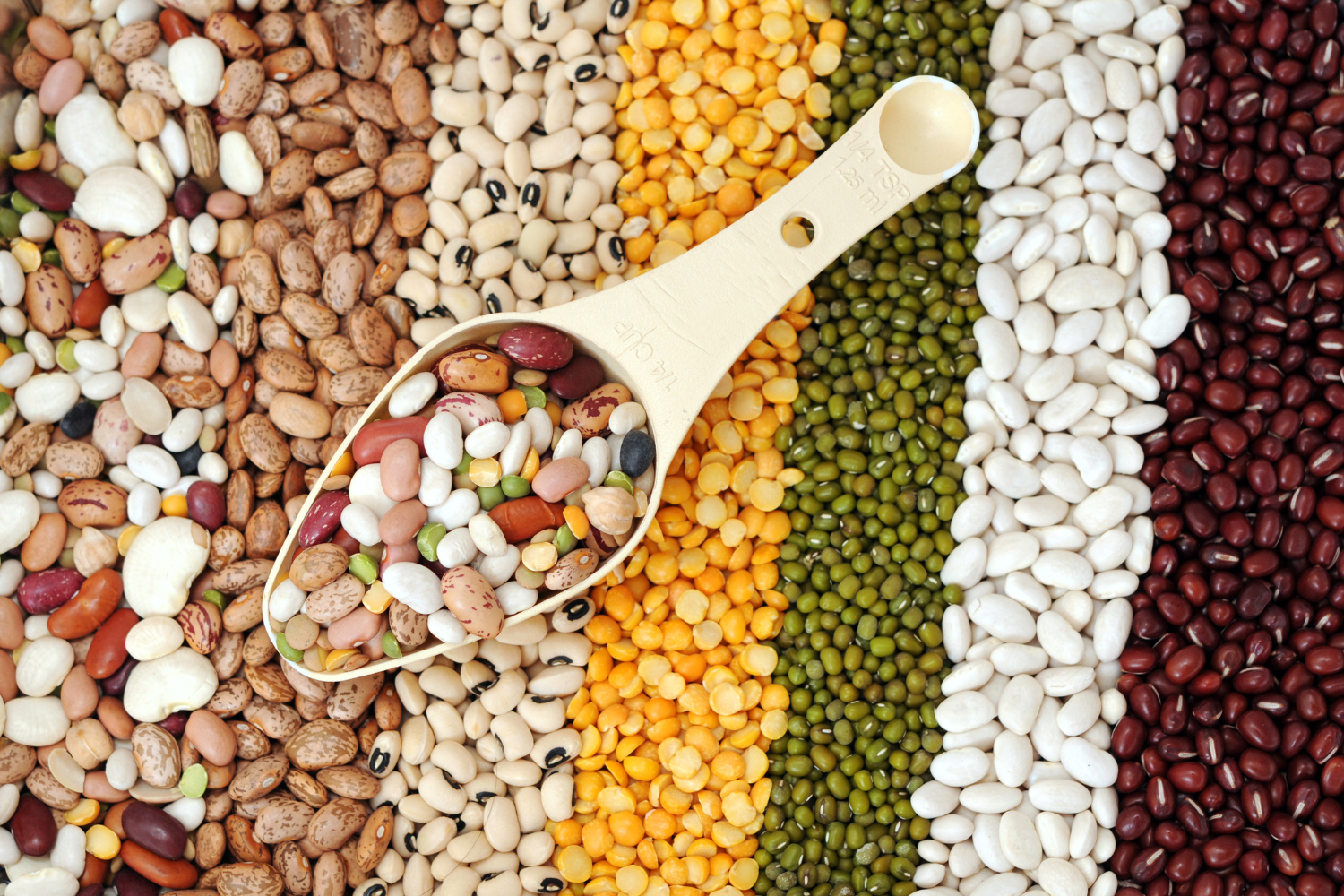
Beans, lentils, chickpeas, and split peas are everyday foods throughout the Mediterranean. They are affordable, filling, and endlessly useful. A pot of lentil soup, a chickpea salad, or a bowl of white beans with olive oil can form the center of a meal.
Why they belong in Mediterranean food
Legumes provide fiber, plant protein, complex carbohydrates, and important minerals. Their combination of fiber and protein can help a meal feel satisfying. Research also suggests that regularly eating legumes may support steadier blood sugar and long-term health.
Beans also appear in many traditional eating patterns linked with longevity, including several Blue Zones. Again, the lesson is not that one food guarantees a longer life. Rather, beans make it easier to eat more plants and less processed food on a regular basis.
How beginners can use them
Canned beans are one of the best convenience foods in the grocery store. Drain and rinse them, then add them to salad, soup, pasta, or a grain bowl. Warm white beans with olive oil, garlic, rosemary, and lemon for a fast side dish.
The White Bean Dip with Pickled Red Onions in our featured meal is another easy starting point. It turns two cans of cannellini beans into a creamy dip that can be served with sourdough bread and vegetables. Leftovers can become a sandwich spread or a base for a bowl.
Beginner takeaway: Keep two cans of beans in your pantry and add one can to a meal you already make.
4. Whole Grains, Especially Whole Grain Sourdough Bread
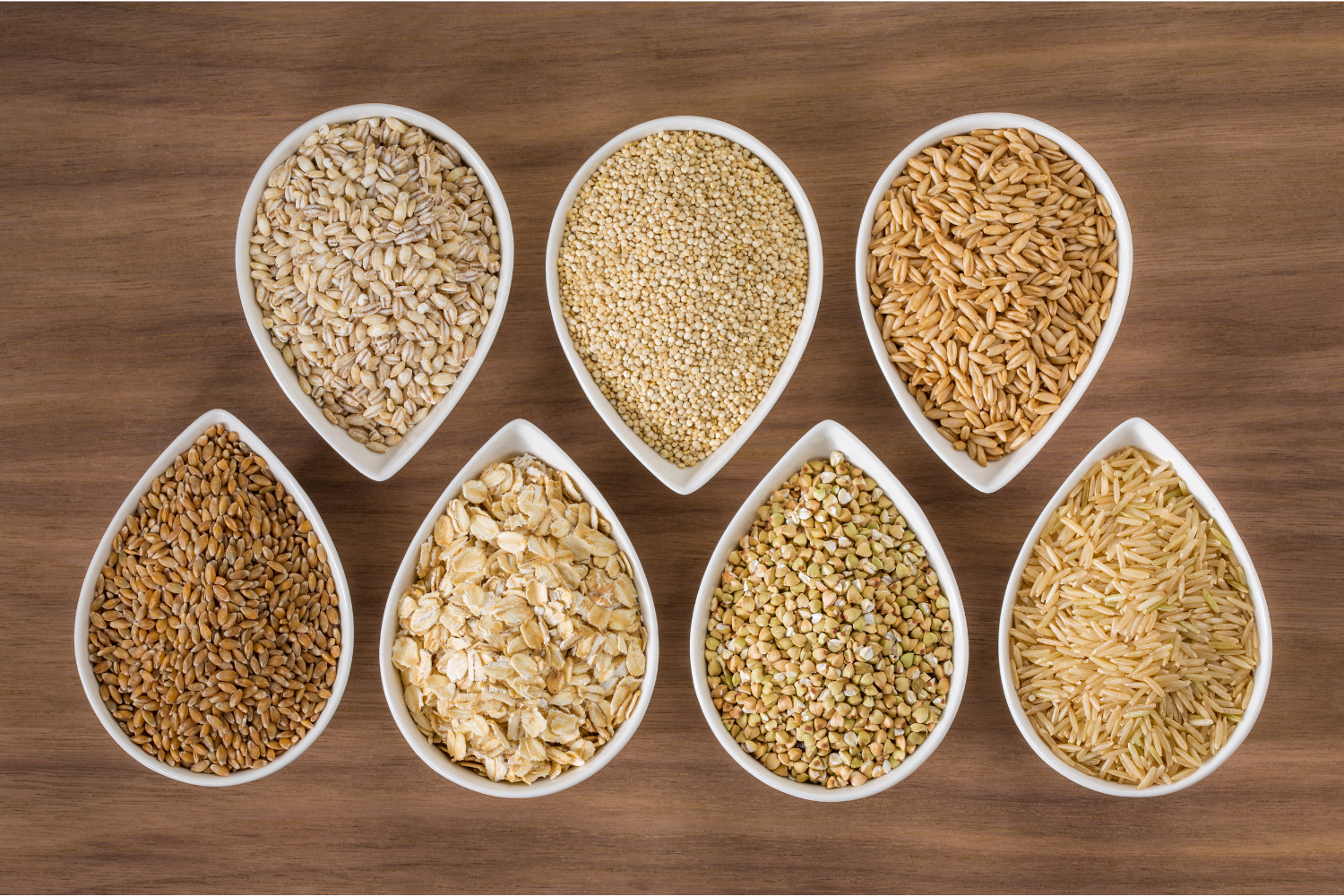
One of the biggest misconceptions about Mediterranean food is that it is low in carbohydrates. Traditional Mediterranean meals often include bread, pasta, barley, bulgur, farro, rice, corn, or other grains. The difference is usually the type of grain, the portion, and what surrounds it.
Why they belong in Mediterranean food
Whole grains provide fiber and a broad range of nutrients. Eating them regularly has been associated with healthier aging and a lower risk of several chronic diseases. They also help make meals satisfying, especially when paired with vegetables, beans, fish, or yogurt.
Sourdough bread is a useful featured example because it feels familiar. The fermentation process gives it a deeper flavor and distinctive texture. Still, “sourdough” does not automatically mean “whole grain.” Check the ingredient list and look for whole wheat, whole rye, or another whole grain near the beginning.
How beginners can use them
Serve a slice of whole grain sourdough with soup, salad, or bean dip. Toast it and top it with tomatoes, white beans, greens, or roasted garlic. You can also replace part of the refined grain in a familiar meal with barley, brown rice, farro, or whole grain pasta.
In our beginner meal, the bread is not an extra that needs to be feared. It helps scoop up the white bean dip and roasted garlic oil. It makes the meal feel complete.
Beginner takeaway: Choose one whole grain you genuinely enjoy and repeat it instead of forcing yourself to buy several unfamiliar options.
5. Omega-3-Rich Fish, Including Salmon and Sardines
Fish and seafood are important in many Mediterranean coastal cuisines. Salmon is not native to every Mediterranean region, but it fits the pattern well because it is rich in omega-3 fats and easy to find. Sardines, anchovies, mackerel, trout, and herring are other useful choices.
Why it belongs in Mediterranean food
Fatty fish provides the omega-3 fats EPA and DHA. These fats play important roles in the body and may support heart and brain health. Fish also supplies high-quality protein and can cook quickly, which makes it practical for weeknight meals.
The Mediterranean approach does not require fish every day. Instead, it encourages seafood as a regular protein choice alongside beans, lentils, yogurt, eggs, poultry, and other foods.
How beginners can use it
Start with a fish you already like. Salmon can be grilled, baked, pan-seared, or cooked in an air fryer. Keep the seasoning simple: olive oil, salt, pepper, lemon, and herbs.
Our Grilled Salmon Salad with Yogurt Dill Dressing places warm salmon over crisp vegetables and leafy greens. The creamy dressing makes the fish especially approachable for beginners.
Sardines are even more convenient because they come ready to eat. Try them on whole grain toast with lemon, parsley, tomatoes, or pickled onions. If the flavor feels strong, begin with boneless, skinless sardines packed in olive oil.
Beginner takeaway: Plan one fish meal this week, and use a simple cooking method rather than searching for a complicated recipe.
6. Herbs and Spices, With Dill as a Featured Example
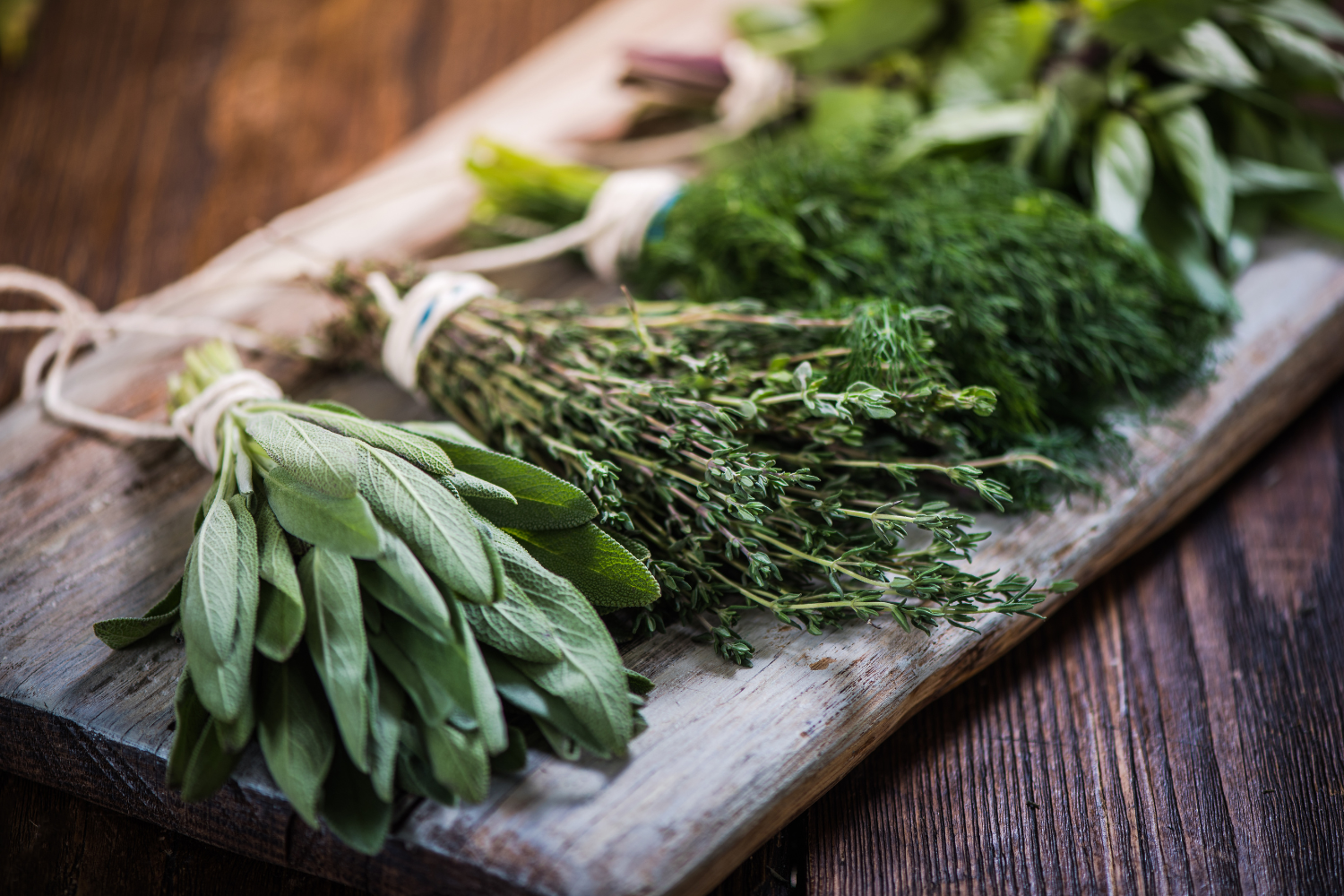
Herbs and spices are one reason Mediterranean food can taste so vibrant without relying on heavy amounts of sugar, salt, or processed sauce. Dill, parsley, basil, mint, oregano, rosemary, thyme, cumin, coriander, cinnamon, paprika, and sumac all appear in different Mediterranean cuisines.
Why they belong in Mediterranean food
Herbs add aroma, freshness, and variety. They can also increase plant diversity in small but meaningful ways. Most importantly, they make vegetables, beans, fish, and whole grains more appealing.
Using herbs may also reduce the need for excess salt. Lemon, garlic, dill, and olive oil create layers of flavor, so a dish does not depend on salt alone.
How beginners can use them
Do not buy ten herbs at once. Choose one fresh herb and one dried herb. Fresh dill is a great starting point because it works with yogurt, salmon, cucumbers, potatoes, beans, and eggs. Dried oregano is useful for roasted vegetables, salad dressing, chicken, and tomato dishes.
In our featured meal, dill connects the salmon, Greek yogurt, greens, and lemon. That is what a good herb often does: it makes separate ingredients feel like they belong together.
To keep fresh dill longer, trim the stems and place it in a jar with a little water, or wrap it in a slightly damp towel in the refrigerator.
Beginner takeaway: Pick one herb that matches several foods you already eat, then use it in two meals before buying another.
7. Greek Yogurt and Other Fermented Foods
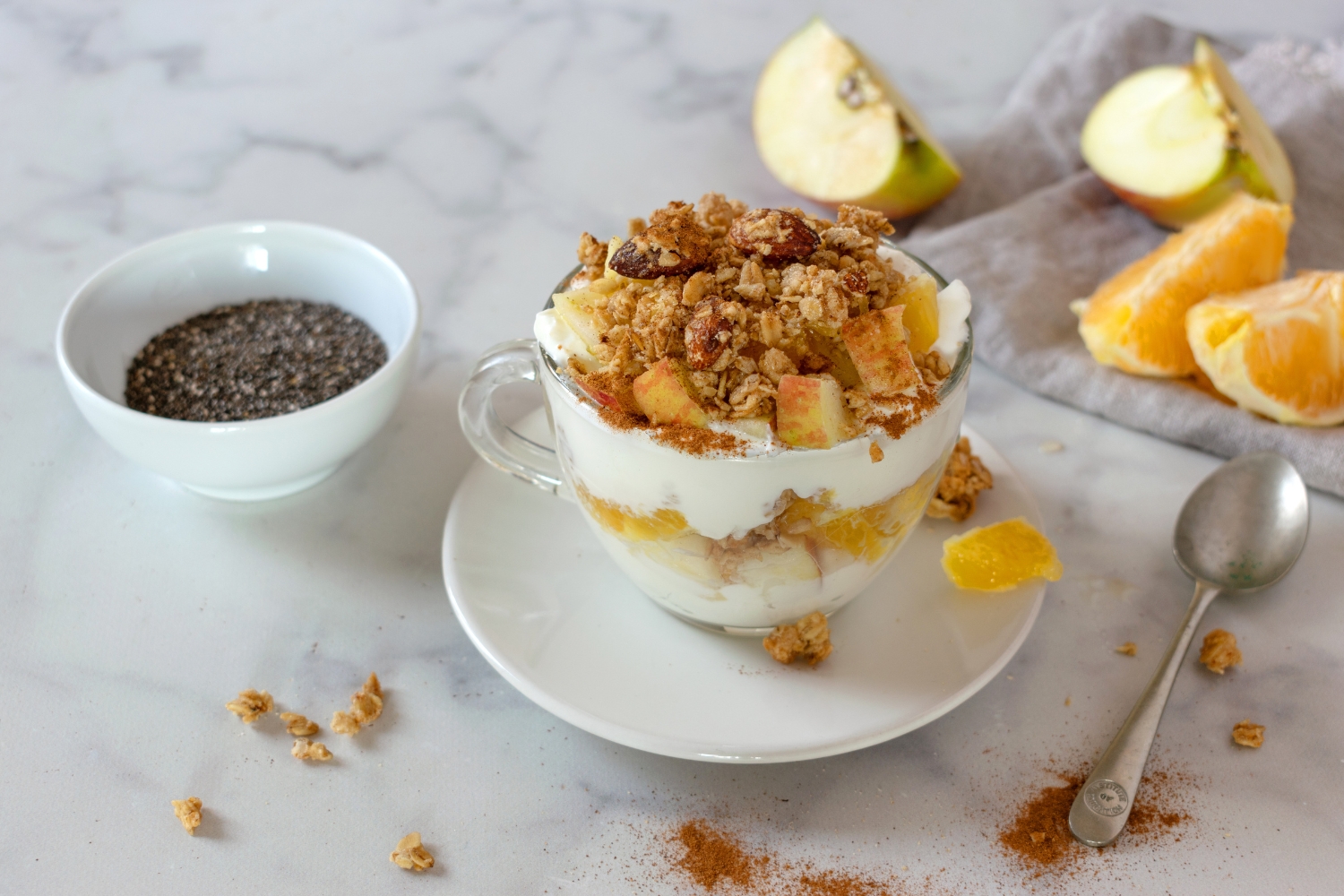
Greek yogurt is one of the easiest Mediterranean ingredients for beginners because it can be sweet or savory. It works at breakfast, in sauces, as a snack, or in dessert.
Why it belongs in Mediterranean food
Yogurt is a fermented food and a useful source of protein, calcium, and other nutrients. Depending on the product and its live cultures, it may also support a diverse gut microbiome. Fermented foods have long been part of traditional diets because fermentation can preserve food and create appealing flavor.
Greek yogurt is strained, so it is thicker and often higher in protein than standard yogurt. However, other plain cultured yogurts can also fit. The most important step is choosing one you enjoy.
How beginners can use it
For a savory sauce, mix plain Greek yogurt with dill, lemon juice, olive oil, garlic, salt, and pepper. Spoon it over salmon, roasted vegetables, grain bowls, or beans. This is the dressing used in the salmon salad from our featured meal.
For breakfast or dessert, add berries and walnuts. A little honey or cinnamon can make it feel more special without turning it into a heavily sweetened dessert.
Look for plain yogurt when possible. Flavored yogurts can contain a great deal of added sugar, although they can still be a bridge for someone who is not ready for plain yogurt.
Beginner takeaway: Buy one tub of plain Greek yogurt and use it once in a savory meal and once with fruit.
8. Leafy Greens
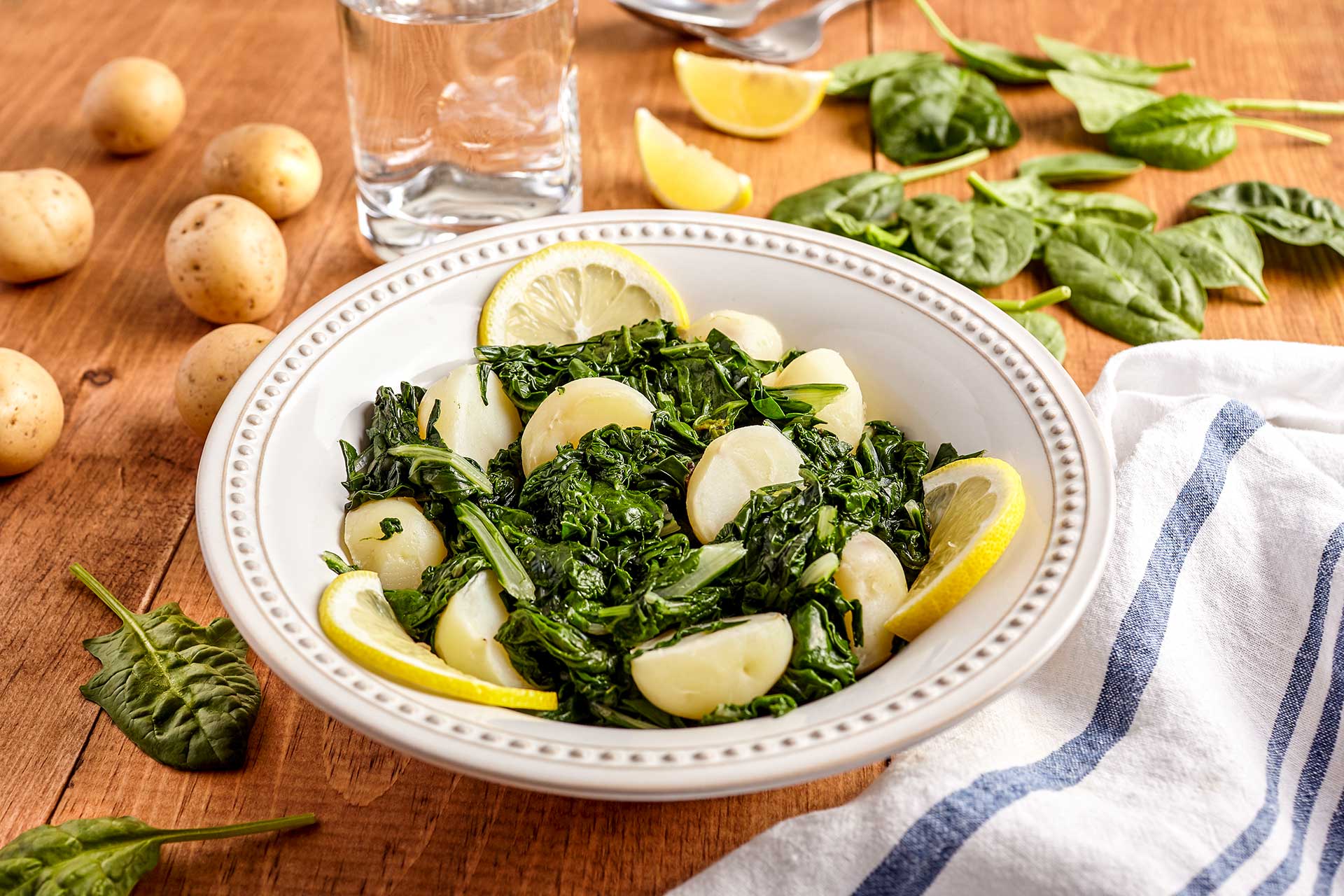
Leafy greens are a major part of traditional Mediterranean food, but they are not always served as a raw side salad. In Greece, a wide range of wild and cultivated greens are known as horta. They may be boiled or sautéed, then dressed simply with olive oil and lemon.
Why they belong in Mediterranean food
Greens contribute vitamins, minerals, fiber, and plant compounds. More broadly, they help increase vegetable diversity. Research consistently associates eating a variety of vegetables with better long-term health.
The Mediterranean lesson is not that everyone needs a giant cold salad every day. Greens can be wilted into soup, folded into eggs, cooked with beans, added to pasta, or served under fish.
How beginners can use them
Choose the form that feels easiest. Bagged salad greens require almost no preparation. Frozen spinach is inexpensive and keeps for months. Kale can be chopped into soup. Swiss chard can be sautéed with garlic and olive oil.
In our featured meal, leafy greens create the base for grilled salmon. They catch the yogurt dill dressing and turn the fish into a complete main course. You can use romaine, arugula, spinach, spring mix, or whatever looks best.
Beginner takeaway: Keep one ready-to-use green in the refrigerator or freezer and add a handful to meals instead of waiting to make a perfect salad.
9. Berries
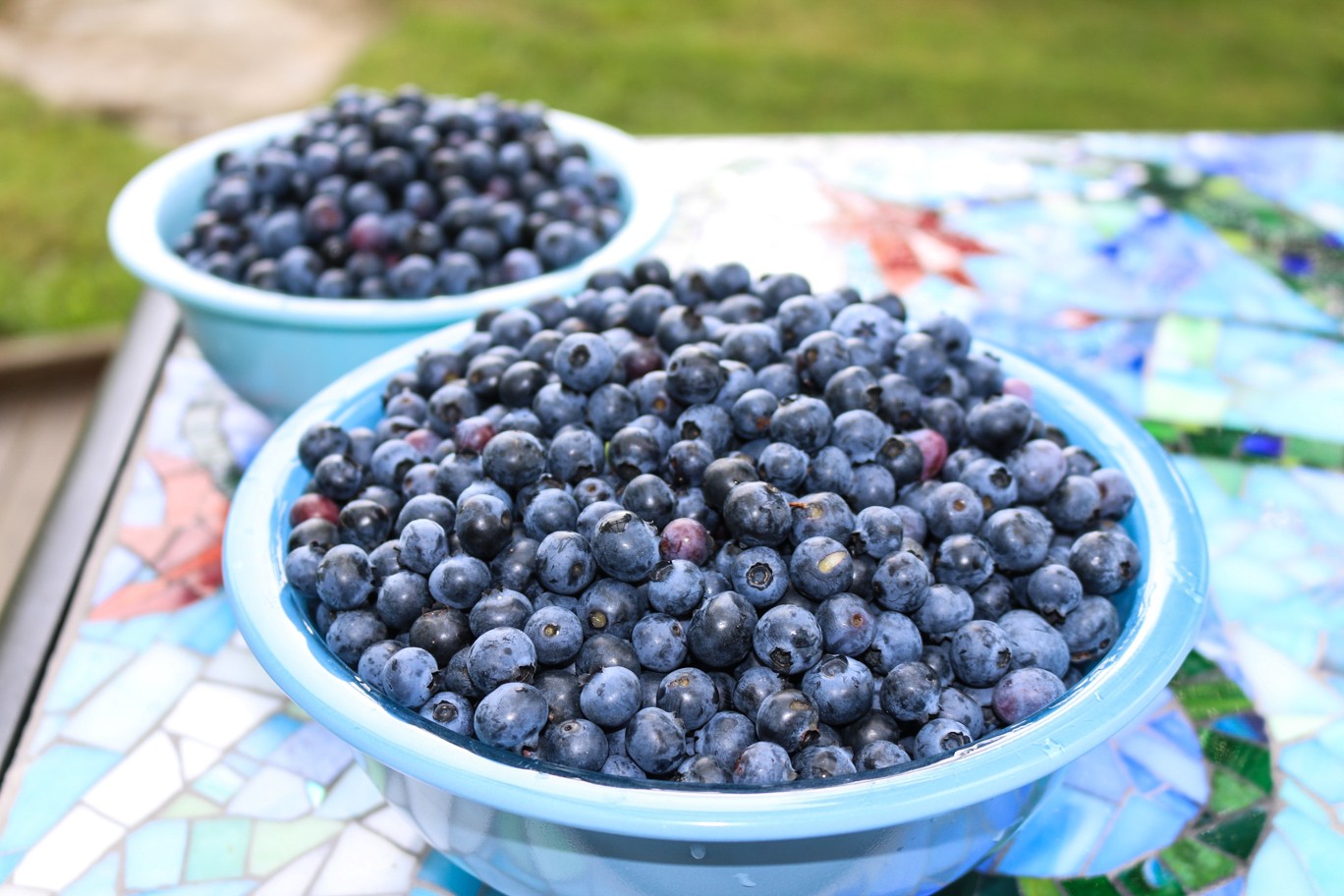
Fruit is a natural part of Mediterranean eating. It is commonly enjoyed at breakfast, as a snack, or at the end of a meal. Berries are not the only Mediterranean fruit, but they are a practical beginner choice because they pair well with yogurt, oats, salads, and nuts.
Why they belong in Mediterranean food
Berries provide fiber, vitamin C, and colorful plant compounds. Research suggests that regular berry consumption may support brain health as part of an overall healthy eating pattern.
They also demonstrate a simple Mediterranean habit: fruit can be dessert. That does not mean pastries and sweets are forbidden. It means a bowl of ripe fruit can be a normal, enjoyable way to finish an everyday meal.
How beginners can use them
Add fresh or frozen berries to Greek yogurt, oatmeal, or whole grain cereal. Blend them into a smoothie, or thaw frozen berries and spoon them over yogurt with their juices.
Frozen berries are especially useful. They are picked when ripe, they reduce waste, and they are often less expensive than fresh berries out of season.
For our featured meal, berries bring freshness and gentle sweetness after the savory salmon, bean dip, garlic, and greens. They make dessert feel connected to the rest of the meal rather than separate from it.
Beginner takeaway: Keep frozen berries on hand so fruit is available even when the refrigerator looks empty.
10. Walnuts, Plus Other Nuts and Seeds
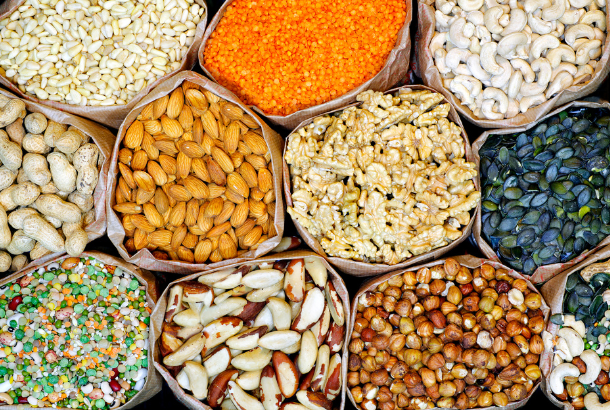
Nuts and seeds appear throughout Mediterranean cooking. They may be eaten as snacks, sprinkled over salads, blended into sauces, baked into breads, or paired with fruit and yogurt.
Why they belong in Mediterranean food
Walnuts provide healthy fats, fiber, plant protein, and alpha-linolenic acid, a plant-based omega-3 fat. Regular nut consumption has been associated with longevity and cardiovascular health.
Again, the broader pattern matters. Nuts often replace less nourishing snacks, add staying power to plant-based meals, and make simple foods more satisfying.
How beginners can use them
Sprinkle chopped walnuts over Greek yogurt and berries. Add them to oatmeal, salads, roasted vegetables, or whole grain dishes. Toasting them briefly in a dry pan can deepen their flavor.
Other useful choices include almonds, pistachios, hazelnuts, sesame seeds, sunflower seeds, pumpkin seeds, and tahini. Choose unsalted or lightly salted versions most of the time, but do not let the perfect option become a barrier.
Nuts are energy-dense, so a small handful is usually enough. Store walnuts in the refrigerator or freezer if you buy a large bag because their delicate fats can become rancid.
Beginner takeaway: Add one small handful of nuts or seeds to a meal or snack you already eat.
How to Start Eating Mediterranean Food Without Feeling Overwhelmed
Now that you know the ten foods, the temptation may be to buy all of them and redesign every meal. We do not recommend that approach. A smaller change is easier to repeat, and repetition is what turns a good idea into a real way of eating.
Choose two foods first
Pick two foods from the list that feel easy and appealing. For example, start with extra virgin olive oil and canned beans. This week, make one bean salad and one warm bean dish. Next week, add Greek yogurt or greens.
You can also choose two foods that naturally pair together. Try yogurt and berries, salmon and dill, whole grain bread and white bean dip, or leafy greens and olive oil.
Add foods instead of restricting foods
Beginners often ask what they need to stop eating. A more useful first question is, “What can we add?” Add beans to a soup. Add greens to scrambled eggs. Add berries to breakfast. Add walnuts to yogurt. Add olive oil and herbs to vegetables.
As nourishing foods become more available and satisfying, they often begin to crowd out foods that do not serve you as well. This feels much more sustainable than creating a long list of rules.
Use convenient Mediterranean ingredients
Convenience is not a failure. Canned beans, canned sardines, frozen vegetables, frozen berries, bagged greens, pre-cooked whole grains, and plain Greek yogurt can all help you build healthy Mediterranean food quickly.
Read labels when it is useful, but do not turn every grocery trip into a research project. A can of beans with some sodium is still a helpful food. Rinse it if you prefer. Frozen spinach is still a vegetable. Whole grain bread from the store is still valuable even when you did not bake it yourself.
Repeat simple meals
Mediterranean cooking becomes easier when you stop expecting every meal to be new. Choose three or four combinations and repeat them until they feel automatic.
- Greek yogurt, berries, and walnuts
- Whole grain toast with white bean dip and greens
- Salmon or sardines with salad and bread
- Beans, frozen vegetables, olive oil, garlic, and herbs
Once those meals feel easy, make small changes. Switch the berries. Try lentils instead of white beans. Use parsley instead of dill. Replace salmon with sardines or trout.
Use olive oil, herbs, garlic, and acid for flavor
A healthy meal should not taste like a punishment. Keep a simple flavor formula in mind: olive oil plus an herb or spice plus garlic or onion plus something acidic, such as lemon juice or vinegar.
That formula can dress greens, season beans, brighten fish, or improve roasted vegetables. It is one of the fastest ways to make everyday Mediterranean ingredients taste like a real meal.
Build the featured meal in stages
You do not need to serve roasted garlic, bean dip, bread, salmon salad, and yogurt dessert on the same night. Build the meal across a week.
On day one, make the white bean dip and eat it with sourdough bread. On day two, use the leftover dip in a sandwich with greens. On day three, make the salmon salad with yogurt dill dressing. Then use the remaining yogurt, berries, and walnuts for breakfast.
Now the ten foods are not a one-time project. They are ingredients that support several meals.
A Simple Mediterranean Food Shopping List
You may already have several of these foods at home. Use this as a flexible checklist, not a requirement.
- Extra virgin olive oil
- Fresh garlic
- Two cans of cannellini beans, chickpeas, or lentils
- Whole grain sourdough bread or another whole grain
- Salmon, sardines, trout, or another fish you enjoy
- Fresh dill and one dried herb or spice
- Plain Greek yogurt
- Bagged greens, spinach, kale, or Swiss chard
- Fresh or frozen berries
- Walnuts or another nut or seed
- Lemons or vinegar for acidity
With these Mediterranean ingredients, you can make far more than the featured meal. You can prepare bean toast, yogurt bowls, salmon salads, quick soups, grain bowls, sautéed greens, dips, and simple snacks.
Mediterranean Food Is a Pattern You Can Grow Into
The best Mediterranean food for beginners is not the most impressive recipe. It is the meal you can make, enjoy, and make again.
These ten foods give you a strong place to begin: extra virgin olive oil, garlic, beans, whole grains, omega-3-rich fish, herbs and spices, Greek yogurt, leafy greens, berries, and walnuts. Each one is useful on its own. Together, they create meals that are colorful, satisfying, and full of flavor.
Remember the meal we started with. Roasted garlic and olive oil make whole grain sourdough more delicious. White bean dip adds fiber and plant protein. Salmon sits on a bed of greens with a yogurt dill dressing. Berries and walnuts turn Greek yogurt into an easy finish.
That is Mediterranean eating in a practical form. It is not about changing everything overnight. It is about learning a few ingredients, pairing them well, and letting simple meals become familiar.
Choose two foods. Make one meal. Then repeat it. From there, your Mediterranean pantry can grow naturally.
Get More Support From Mediterranean Living
Knowing which foods to buy is a great first step. However, many people also want recipes, meal ideas, programs, and ongoing guidance that help them put Mediterranean living into practice.
The Mediterranean Living Member Portal brings our resources together in one place. It is designed to help you move from reading about Mediterranean food to actually preparing it, enjoying it, and making it part of your routine.
Start with the ten foods in this article. Then visit the portal when you are ready for more structure, inspiration, and support on your Mediterranean journey.



Winter LeBlanc says:
Bill Bradley, R.D. says:
Bill Bradley, R.D. says: