
15 Easy Lebanese Recipes
By Mediterranean Living
Updated October 10, 2026
Looking for tasty and traditional Lebanese recipes? If you love Lebanese food, you’re in for a treat! In this article, we will explore some authentic Lebanese recipes that are not only delicious but also align with the healthy principles of the Mediterranean diet.
Lebanese cuisine is renowned for its diverse and flavorful dishes that showcase the country’s rich cultural heritage. The cuisine has a long history and is influenced by the Mediterranean region and the Middle East. From traditional mezze platters to hearty stews and aromatic grilled meats, Lebanese recipes offer a unique and tantalizing culinary experience.
One of the things I love most about Lebanese food is how it transforms simple, fresh ingredients into incredibly flavorful meals. Extra virgin olive oil, fresh herbs, garlic, lemon juice, chickpeas, lentils, whole grains, and colorful vegetables are staples of traditional Lebanese cooking. These ingredients are also at the heart of the Mediterranean diet, making many Lebanese dishes naturally nutritious and satisfying.
Another wonderful aspect of Lebanese food is the emphasis on sharing meals with family and friends. In Lebanon, food is about much more than nourishment. It’s about hospitality, connection, and enjoying life around the table. A traditional Lebanese meal often includes a variety of small dishes called mezze, which might feature hummus, baba ganoush, tabbouleh, stuffed grape leaves, and warm pita bread. This way of eating encourages variety, conversation, and the pleasure of trying different flavors.
If you’re new to Lebanese cooking, you’ll be happy to know that many of the most popular dishes are surprisingly easy to prepare at home. Lebanese cuisine relies on a wonderful combination of herbs and spices, including parsley, mint, cumin, coriander, cinnamon, and sumac. Fresh lemon juice and olive oil bring everything together, creating bright, bold flavors without requiring complicated techniques.
Many healthy Lebanese recipes are naturally plant-based, featuring beans, lentils, vegetables, nuts, and grains. Others include grilled chicken, fish, lamb, or yogurt-based sauces. This balance of plant foods and animal proteins is one of the reasons Lebanese cuisine fits so beautifully into a Mediterranean eating pattern.
Whether you already love Lebanese food or are discovering it for the first time, these 15 Lebanese recipes will introduce you to some of the wonderful flavors and traditions of Lebanon. From refreshing salads and creamy dips to comforting traditional dishes, there’s plenty here to inspire you to bring a little more Lebanese flavor into your own kitchen.

Whether you are a seasoned cook or a beginner, these Lebanese recipes are sure to impress and satisfy your taste buds. So let’s dive into the world of Lebanese cuisine and discover some mouthwatering dishes that you can easily prepare at home.
Day of Eating in Lebanon
Lebanese cuisine is a tapestry of various cultures and traditions, with dishes that are packed with flavor and nutrition. If you’re curious about what Lebanese people typically eat in a day, here’s a breakdown of some of the meals and snacks you might find in a Lebanese household:
Breakfast
In Lebanon, breakfast is often a light meal consisting of tea or coffee, fresh bread, and jam or cheese. A popular Lebanese breakfast dish is mana’eesh, a type of flatbread that is topped with za’atar (a blend of thyme, sesame seeds, and sumac) and olive oil. Other popular breakfast items include eggs, olives, and labneh (strained yogurt).

Lunch
Lunch is the main meal of the day in Lebanon, and it’s typically a more substantial meal than breakfast. Lebanese lunch dishes often consist of mezze platters, which are shared appetizers that feature a variety of small dishes. Some common mezze items include hummus, baba ghanoush, tabbouleh, and stuffed grape leaves. For the main course, Lebanese people might have shawarma (spit-roasted meat), kebab (grilled meat skewers), or a hearty stew like fasoulia (green bean stew) or kibbeh nayyeh (raw meat salad).

Dinner
Dinner in Lebanon is usually lighter than lunch, and it might consist of leftovers from lunch or a simple meal like soup or salad. A popular Lebanese dinner dish is fattoush, a salad that features fresh vegetables, herbs, and crispy pita bread.

Snacks
Lebanese people also enjoy snacking throughout the day, with many delicious options to choose from. One popular snack is “hummus”, a dip made with chickpeas, tahini, and lemon juice, which is often served with pita bread or vegetables. Another favorite snack is “foul mudammas”, which is made with fava beans, garlic, and lemon juice.

In conclusion, Lebanese cuisine offers a diverse range of dishes that can be enjoyed throughout the day. From hearty breakfasts to light lunches, flavorful dinners, and delicious snacks, Lebanese food is sure to satisfy any palate. Whether you are looking to try traditional Lebanese recipes or simply looking for inspiration for your next meal, the rich flavors and textures of Lebanese cuisine are sure to impress.
How to Make Labneh

Labneh is a popular and versatile ingredient in Lebanese cuisine, often used as a spread, dip, or as a topping for dishes. It is made from strained yogurt, which gives it a thick, creamy texture and tangy flavor. In this section, we will explore how to make labneh at home, using a few simple ingredients.
Ingredients:
- 1 quart of plain yogurt (full-fat is recommended)
- 1 teaspoon of salt
- Olive oil
- Optional: herbs or spices, such as thyme or za’atar, for flavoring
Instructions:
- Line a fine-mesh strainer with cheesecloth and set it over a large bowl.
- In a separate bowl, mix the yogurt and salt together until well combined.
- Pour the yogurt mixture into the cheesecloth-lined strainer, and wrap the cheesecloth around the yogurt, forming a ball.
- Place the bowl with the strainer and yogurt in the refrigerator and let it strain for at least 12 hours, or overnight.
Once the labneh has strained and thickened, remove it from the cheesecloth and transfer it to a serving dish. - Drizzle the labneh with olive oil and sprinkle with herbs or spices, if desired.
- Serve the labneh as a spread or dip, with pita bread or vegetables.
Making labneh at home is easy and a great way to add authentic Lebanese flavors to your meals. You can experiment with different herbs and spices to customize the flavor, and use the labneh in a variety of dishes, from sandwiches to salads and more. Try this simple recipe and enjoy the creamy, tangy goodness of homemade labneh.
Our 15 Favorite Lebanese Recipes
Lebanese cuisine is renowned for its flavorful and diverse dishes that are loved by people around the world. In this section, we will share our 15 favorite Lebanese recipes that are easy to make and bursting with authentic flavors.

A couple weeks ago we gave you a Lebanese hummus recipe, and now we are giving you a similar traditional Mediterranean diet recipe called Baba Ganoush. Lots of Mediterranean cultures have their version of an eggplant dip. This eggplant dip is smokey, earthy, and garlicky.

Shish tawook is a popular dish in Arab countries. Restaurant menus typically include the Middle Eastern chicken dish as one of the main dishes, along with grilled meat, kofta, or grilled kebab. The smell of these tender juicy chicken pieces as they grill (courtesy of the shish tawook marinade) reminds me of every Sunday spent with my family in the Lebanese countryside.

Kousa Bil Laban is a traditional Lebanese dish made from zucchini, yogurt, and garlic. It is a creamy and flavorful dish that is often served as a main course.

These savory pies are made from a mixture of spinach, onions, and spices, wrapped in a flaky pastry dough. They are perfect as a snack or appetizer.
5. Basboosa

Basboosa is a popular Lebanese dessert made from semolina, coconut, and honey syrup. It has a rich and sweet taste and is often served with tea or coffee.

Fattoush salad is a colorful and healthy dish made from fresh vegetables, herbs, and pita bread. It is often topped with a tangy dressing made from lemon juice and olive oil.

This seven spice blend combines pepper, allspice, cinnamon, cloves, nutmeg, fenugreek, and coriander for a deliciously aromatic seasoning.
8. Tabouli

Tabouli is another traditional Lebanese salad made from parsley, tomatoes, onions, and bulgur wheat. It is a refreshing and nutritious dish that is perfect for summer.

This hearty and healthy breakfast cereal is made from bulgur wheat, milk, and honey. It is a great way to start your day and will keep you feeling full and energized.
10. Lebanese Hummus

Hummus is a classic Lebanese dip made from chickpeas, tahini, and lemon juice. It is creamy, tangy, and delicious, and is often served as a dip or a spread.

This recipe for garlic lemon chicken and potatoes is known as djej w batata bil foren in Arabic. It’s a traditional Lebanese recipe for baked chicken and potatoes. The bone-in chicken is rubbed with Lebanese seven-spice seasoning and baked with the fried potatoes until golden brown and deliciously tender.

One of the most famous Lebanese hot appetizers, batata harra is a simple dish but rich with flavors. I remember when I first was introduced to batata harra. I was a young age, attending the wedding of my cousin with my parents and the wedding ceremony was at one of the best restaurants in Lebanon. They served one of the best potato harra I’ve ever tasted on a brown vintage plate. The smell coming out of the plate was distinguished and so good, and the taste was of course just amazing.
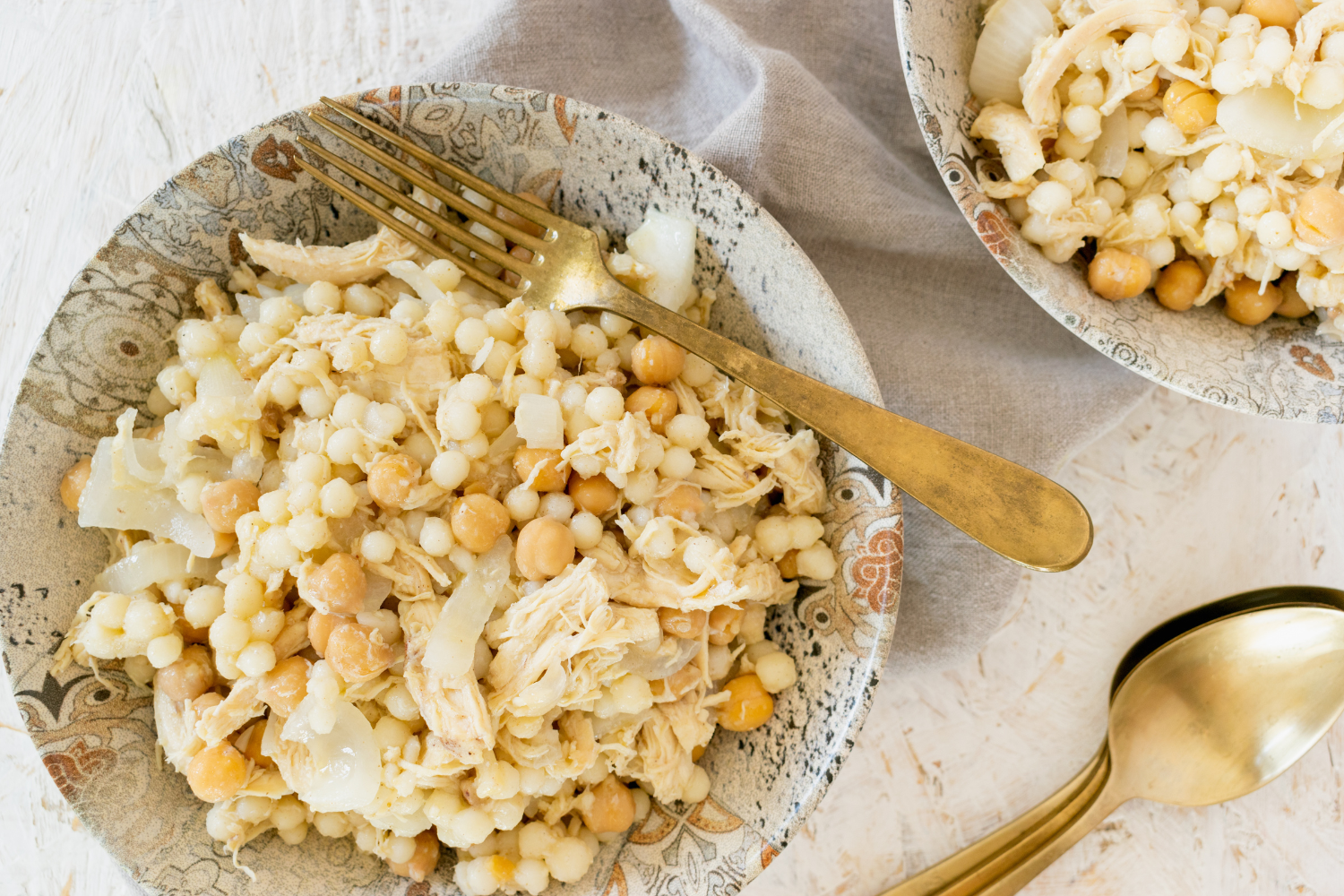
Moghrabieh with chicken is a common Lebanese dish. It’s prepared as a main meal for lunch guests and is especially enjoyed by families in Beirut. This dish is known more in Lebanese cities than in the countryside. Moghrabieh, sometimes sold as “Lebanese couscous,” is a type of giant pearl couscous shaped into pea-sized balls. It’s made from wheat or corn flour.

Loubieh bi zeit, which means green beans with olive oil, is one of the most popular traditional Lebanese homemade recipes. This vegan dish is delicious and nutritious. It is rich in iron, antioxidants, and vitamins, and is a great source of fiber. It’s also extremely easy to make in about 30 minutes with only one pot.

Arnabit with tarator is the Arabic name for cauliflower with tahini or lemon garlic sauce. Now, cauliflower is not as popular as broccoli. However, this shy vegetable shines when it’s done the way we prepare it in this fried cauliflower recipe. It’s golden brown and crispy on the outside and tender and juicy on the inside. The contrast in textures makes it just that little bit extra delicious. The secret to this Lebanese cauliflower recipe is boiling the cauliflower before frying it. Many Lebanese restaurants just immediately fry the vegetable, which makes it lose its sweet and soft interior taste.



Winter LeBlanc says:
Bill Bradley, R.D. says:
Bill Bradley, R.D. says: