
Mediterranean Diet Desserts
By Winter LeBlanc
Updated December 15, 2025
Mediterranean Diet Desserts: Simple, Fresh, and Rooted in Tradition
One of the questions I get asked most often is, “What do they eat for dessert in the Mediterranean?” People are always surprised by the answer. When you think about Mediterranean Diet Desserts, you might imagine rich pastries, layers of syrupy sweetness, or chocolate cakes that feel indulgent and irresistible. But in reality, the most common dessert across the Mediterranean is fruit. Fresh, seasonal fruit. For most meals in most Mediterranean countries, if dessert is served at all, it is almost always a piece of fruit such as grapes in late summer, oranges in winter, figs when they are perfectly ripe, or maybe a crisp apple or juicy peach depending on the season.
But does that mean there are no other types of Mediterranean Diet Desserts?
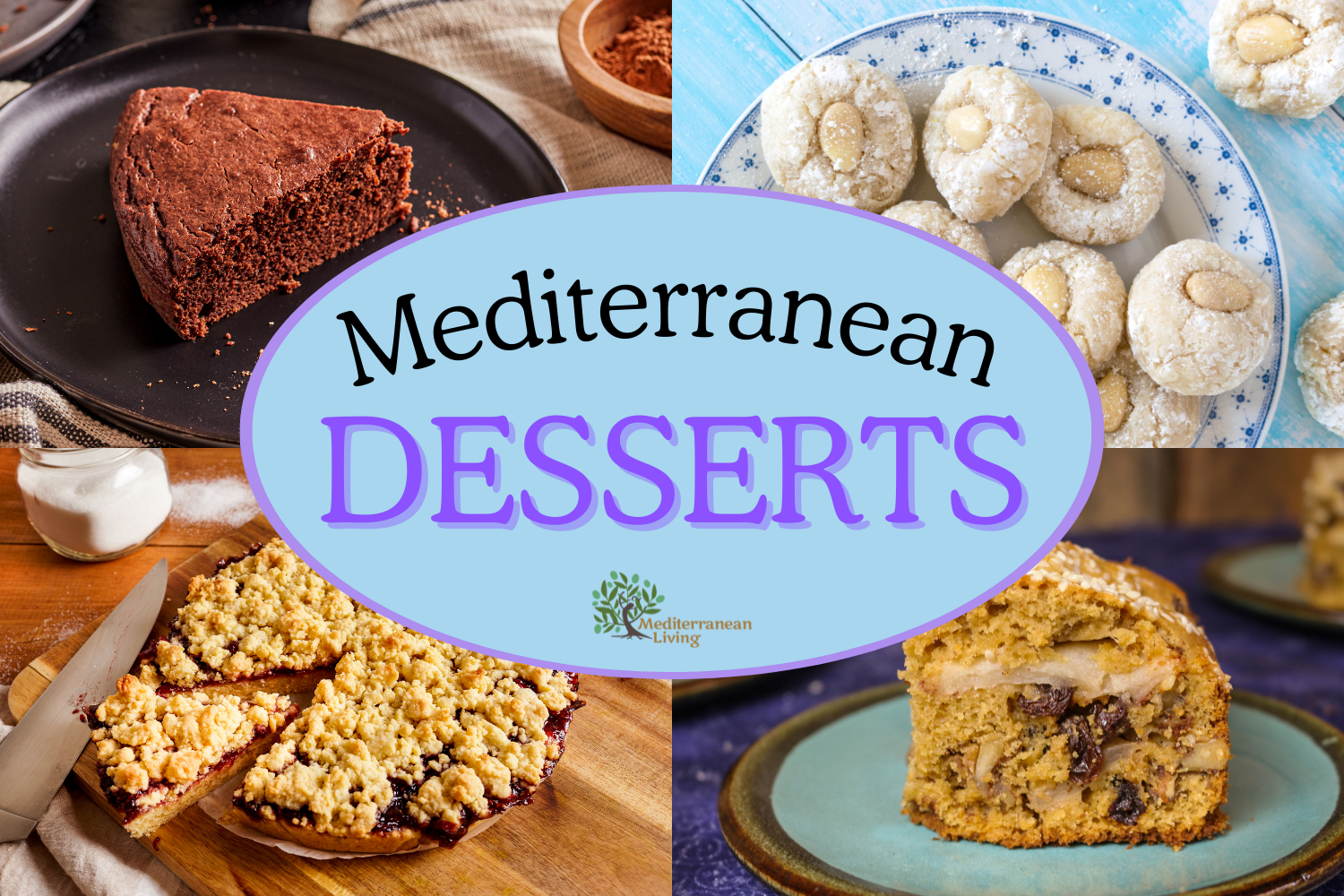
Not at all. The Mediterranean region is home to a vast collection of special-occasion sweets that are enjoyed mindfully and in small portions. These desserts are not typically eaten every night after dinner. Instead, they appear during celebrations, with afternoon coffee, or on a leisurely weekend afternoon. They are treats to savor, not habits to maintain.
Mediterranean Desserts tend to be homemade, simple, and tied to local traditions. Each country has its own specialties: an Italian chocolate cake like Torta Caprese, Greek almond cookies enjoyed with a cup of strong coffee, or a slice of Portokalopita, the fragrant Greek orange cake. In Lebanon and surrounding countries, semolina cakes like basboosa are a beloved classic. In Italy, even something as simple as a fresh fruit salad or a slice of Breakfast Torta with jam can serve as a sweet finish to a meal. What connects these desserts is not just their flavor, but the Mediterranean mindset behind them: quality ingredients, smaller portions, and an appreciation for food made with care.
Fresh, wholesome ingredients are at the heart of Mediterranean Diet Desserts. Extra virgin olive oil shows up often in cakes and cookies, lending moisture and depth without relying on heavy amounts of butter. Honey is a traditional sweetener. Citrus zest brightens everything from olive oil cakes to tea cakes. Nuts, raisins, sesame seeds, yogurt, and seasonal fruit appear again and again in these recipes. Even desserts that feel rich such as an Italian chocolate coffee cake or a Greek lemon olive oil cake are usually made with fewer processed ingredients than Western-style desserts.
If you are following the Mediterranean Diet for weight loss or health improvement, fruit remains the number one daily dessert. It satisfies your sweet tooth, supports digestion, and aligns with how people in the Mediterranean have been eating for centuries. Other sweets such as an orange sesame cookie baked with olive oil, a slice of cinnamon apple walnut cake, or a rosemary olive oil tea cake can certainly be enjoyed, but ideally as occasional indulgences. This approach mirrors the Mediterranean lifestyle: nothing is off-limits, but balance is essential.
Below you will find some of our favorite Mediterranean Diet Desserts. These recipes celebrate the ingredients and traditions that make Mediterranean sweets so timeless and satisfying.
What Desserts Are Allowed on the Mediterranean Diet?
On the Mediterranean Diet, the question is not so much what is allowed, but how often and in what portion.
Daily or often:
Fresh fruit is the most popular dessert in the Mediterranean and can be eaten regularly. It is delicious, nutrient-dense, and deeply rooted in the culture.
Occasionally:
Other traditional Mediterranean Desserts such as olive oil cakes, almond cookies, fruit-based cakes, semolina cakes, or chocolate desserts are enjoyed as special treats. They are typically homemade, built from fresh ingredients, and eaten in small portions.
In the Mediterranean, dessert is never just about sweetness. It is about slowing down, appreciating flavor, and sharing food with the people you love.
Mediterranean Diet Desserts
Torta Caprese (Italian Chocolate Cake)
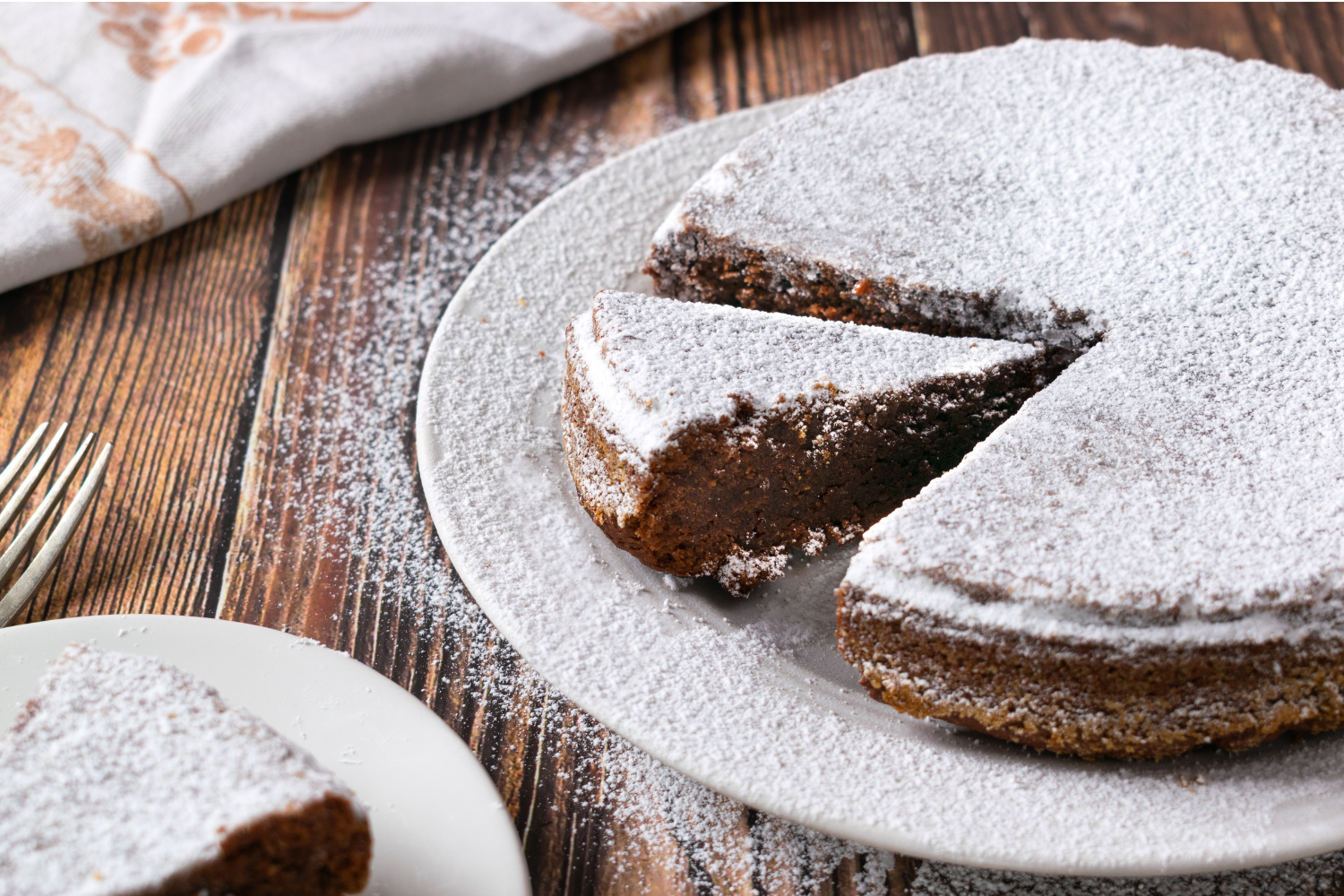
Torta Caprese is an Italian flourless chocolate cake recipe born on the Isle of Capri, it’s made with melted dark chocolate and almond flour. Not to be confused with Caprese salad (buffalo mozzarella and tomatoes), Caprese cake is probably one of the first gluten-free cakes ever made. Its Italian culinary heritage is in the Neapolitan pastry tradition.
Its origin dates back to 1920 from a mistake by Capri pastry chef Carmine di Fiore, who was intent on preparing a cake to serve to some American gangsters who had come to Capri. The story says that he forgot to add flour. Enjoy a slice of Torta Caprese with a dollop of whipped cream or a scoop of gelato, and let this indulgent treat transport you to the heart of Italy’s culinary traditions.
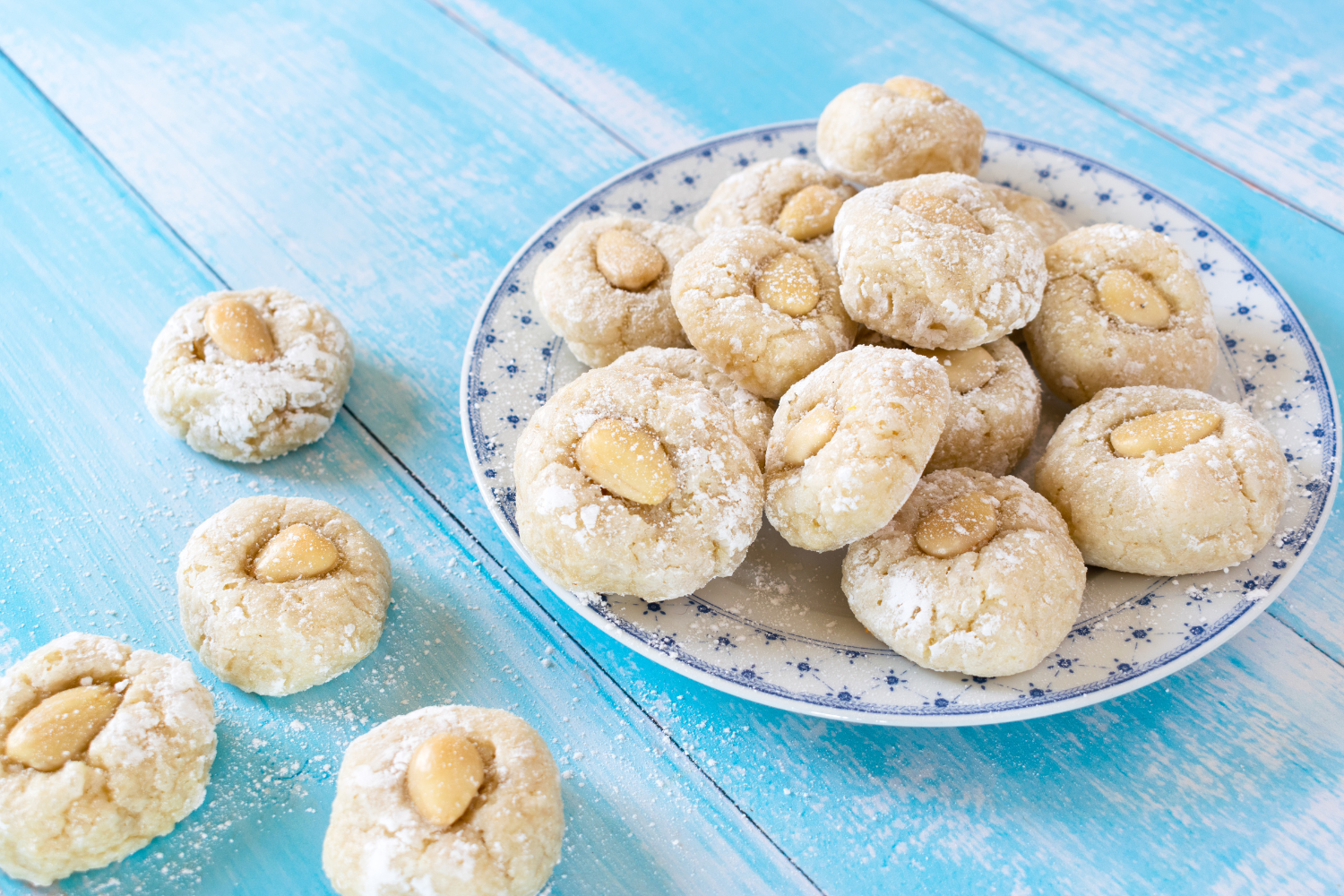
Almond cookies are very popular in Greece. There are many different varieties as each island, city, and region has its own version. In Crete, this is a very special cookie to serve to guests and at special occasions, including weddings, baptisms, and engagements. Bursting with almond flavor and dusted in powdered sugar, these snowball-like cookies are also often made during the holidays, like Christmas and Easter.
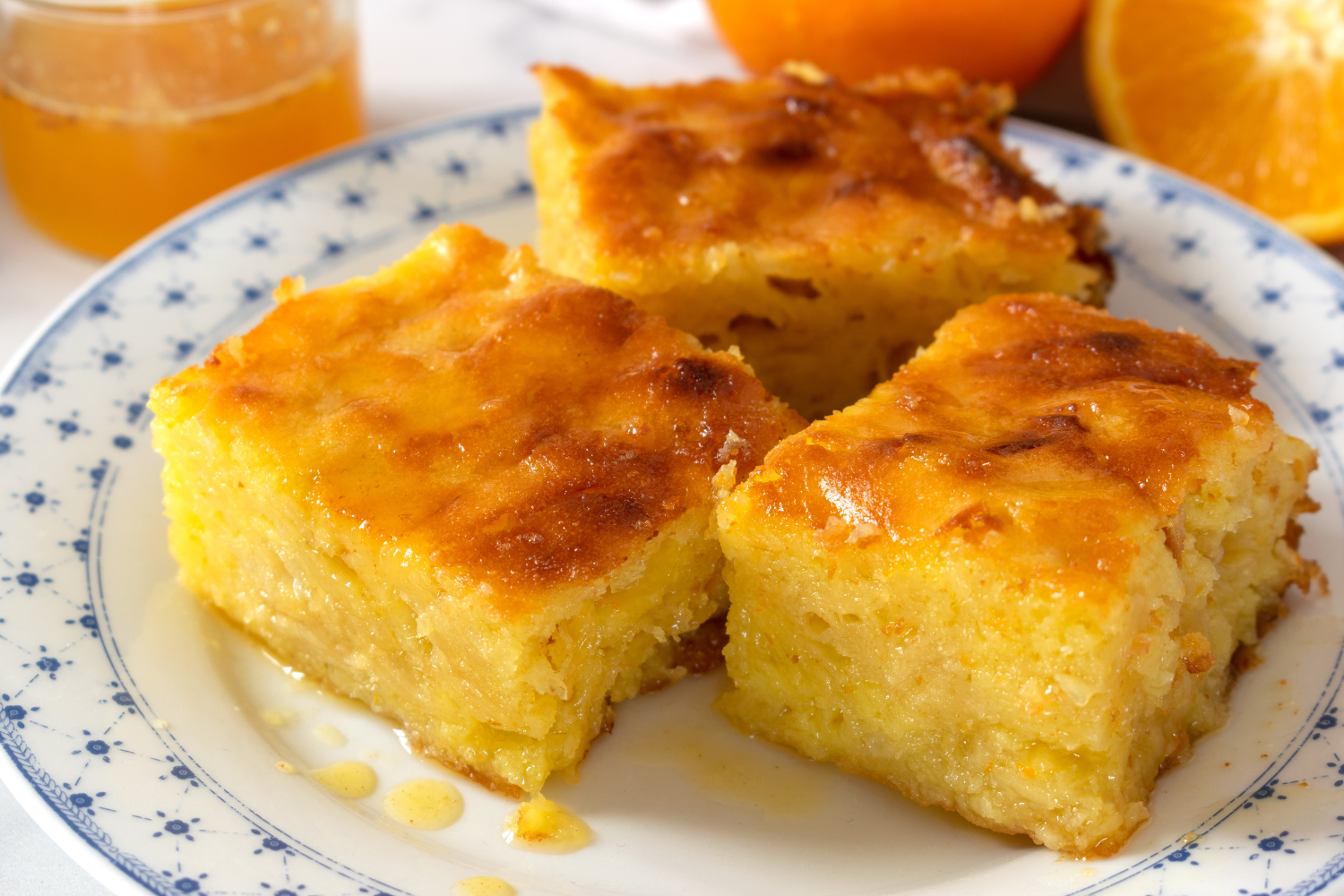
Portokalopita is an old-fashioned Greek orange cake made with orange zest, Greek yogurt, and dried crumbled phyllo folded into the cake batter. It’s known for its zesty orange flavor as well as its sticky sweet texture thanks to the orange syrup poured over the baked cake.
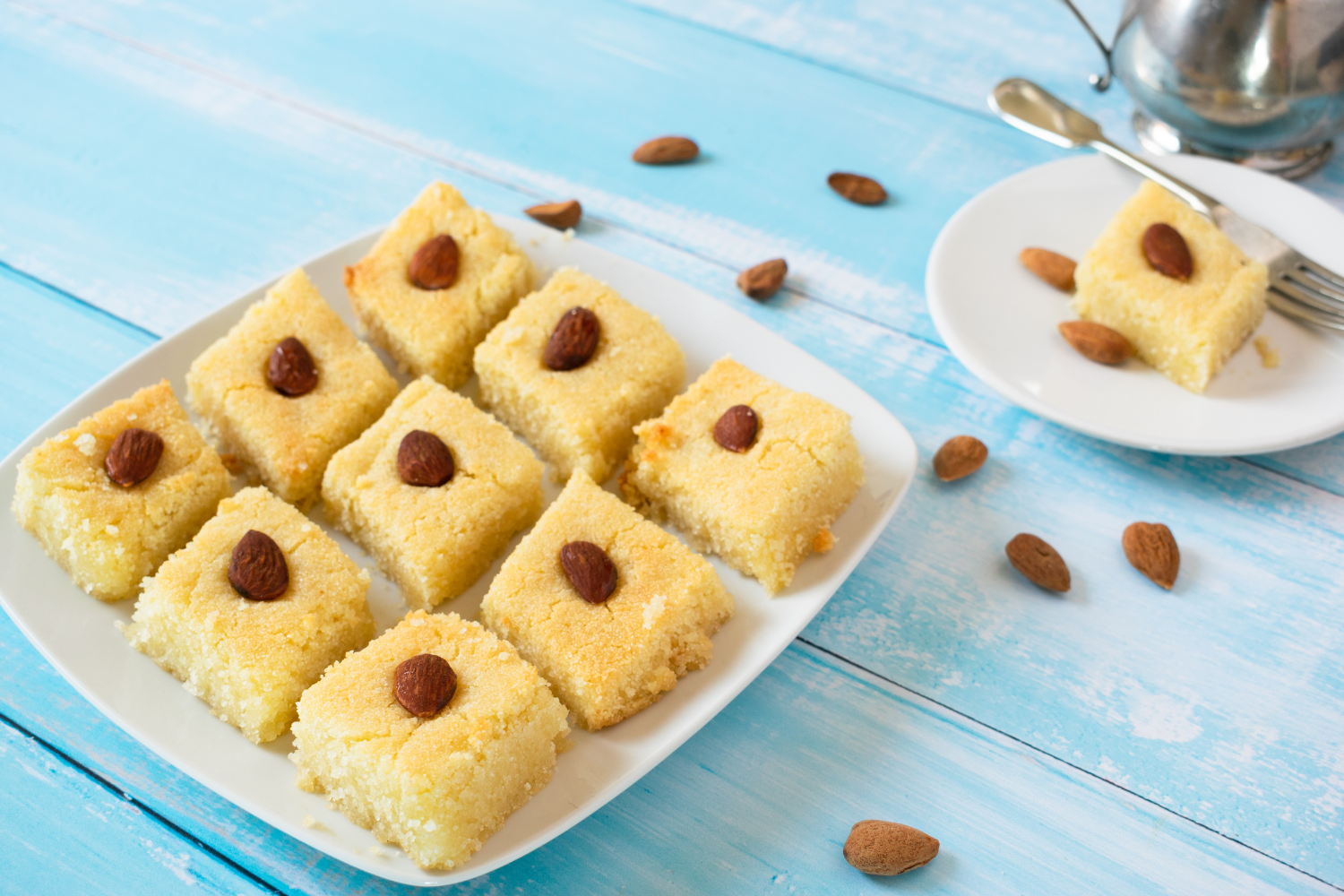
Basboosa is a sweet semolina cake soaked in sugar syrup. As mentioned, it’s common in many countries of the former Ottoman Empire. So don’t be surprised to see it or a similar version in Middle Eastern, Greek, Lebanese, and Turkish cuisine. You bake the cake batter, which is sweetened with an orange flower water and rosewater-fragranced simple syrup, in a sheet pan. Then you cut the semolina cake into a diamond shape or square.
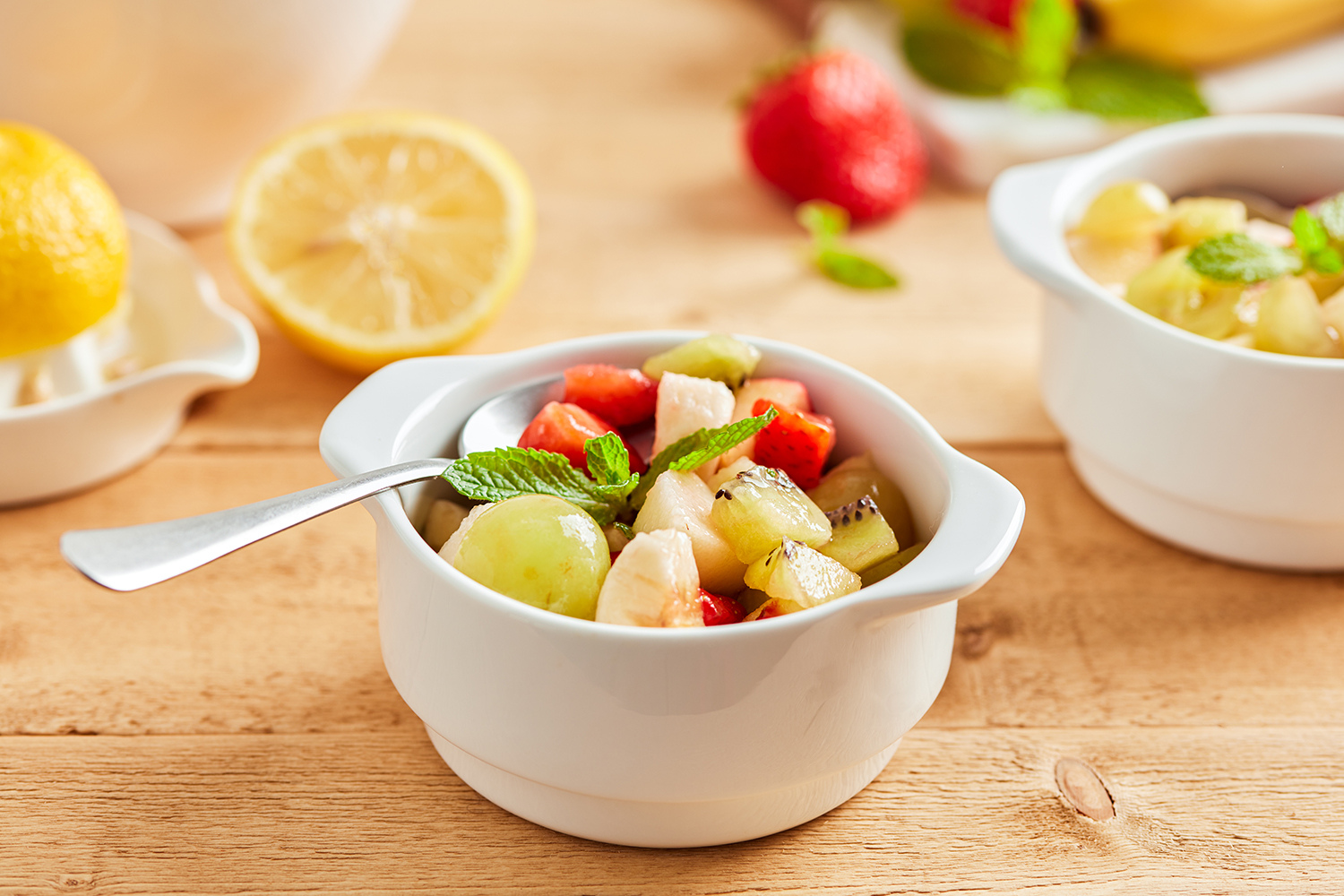
Fruit salad, best known in Italy as macedonia, is a dish that can never miss at the end of any traditional Italian family meal. The origin of the name is not certain, but it probably refers to the region of the Balkans with the same name. What is sure, is that it’s a dish beloved by adults and kids alike.
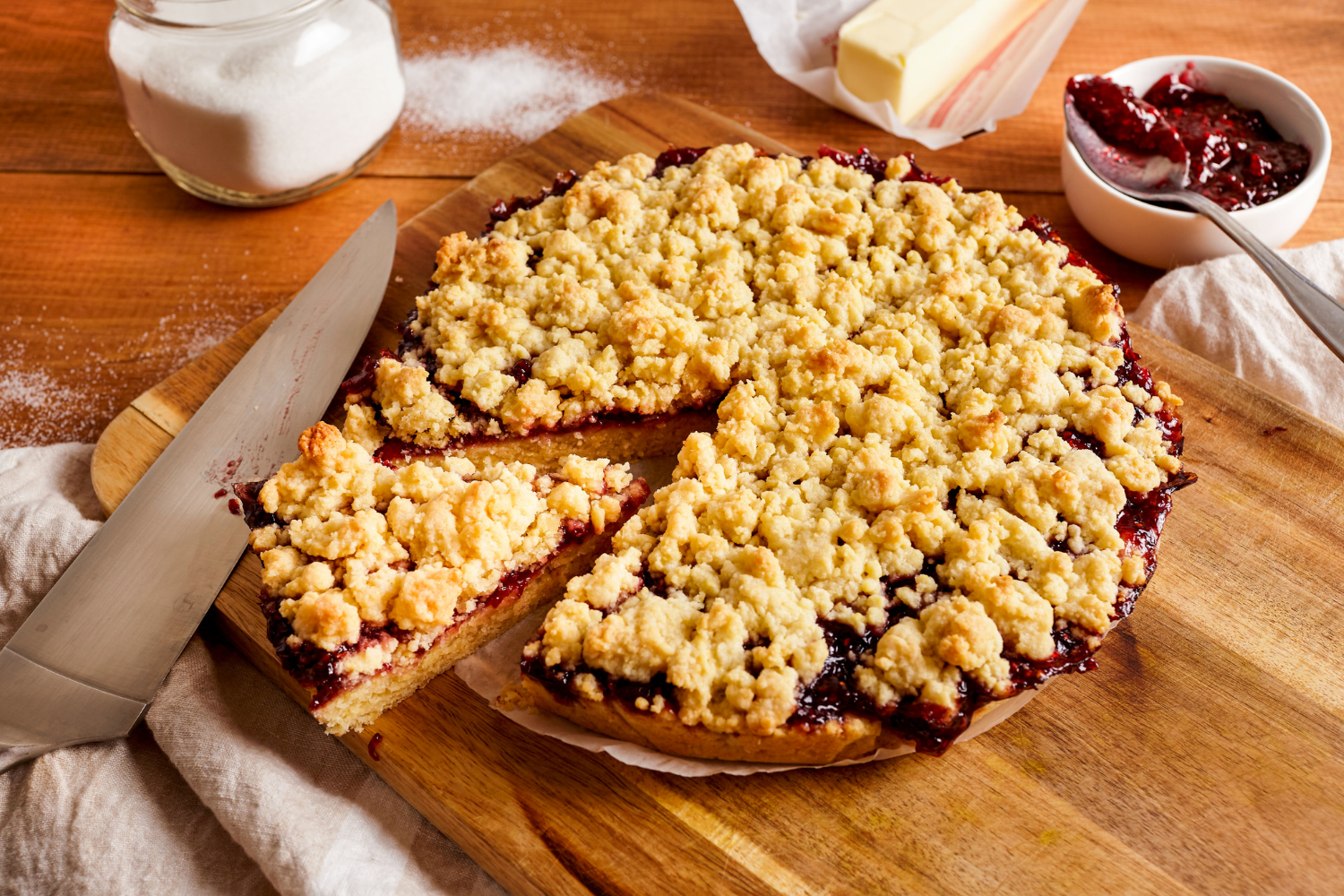
Try this traditional Italian breakfast torta full of fresh jam and delicious crumble. The Mediterranean Diet never tasted as good! This torta is a rich Mediterranean breakfast that would be served on special occasions.
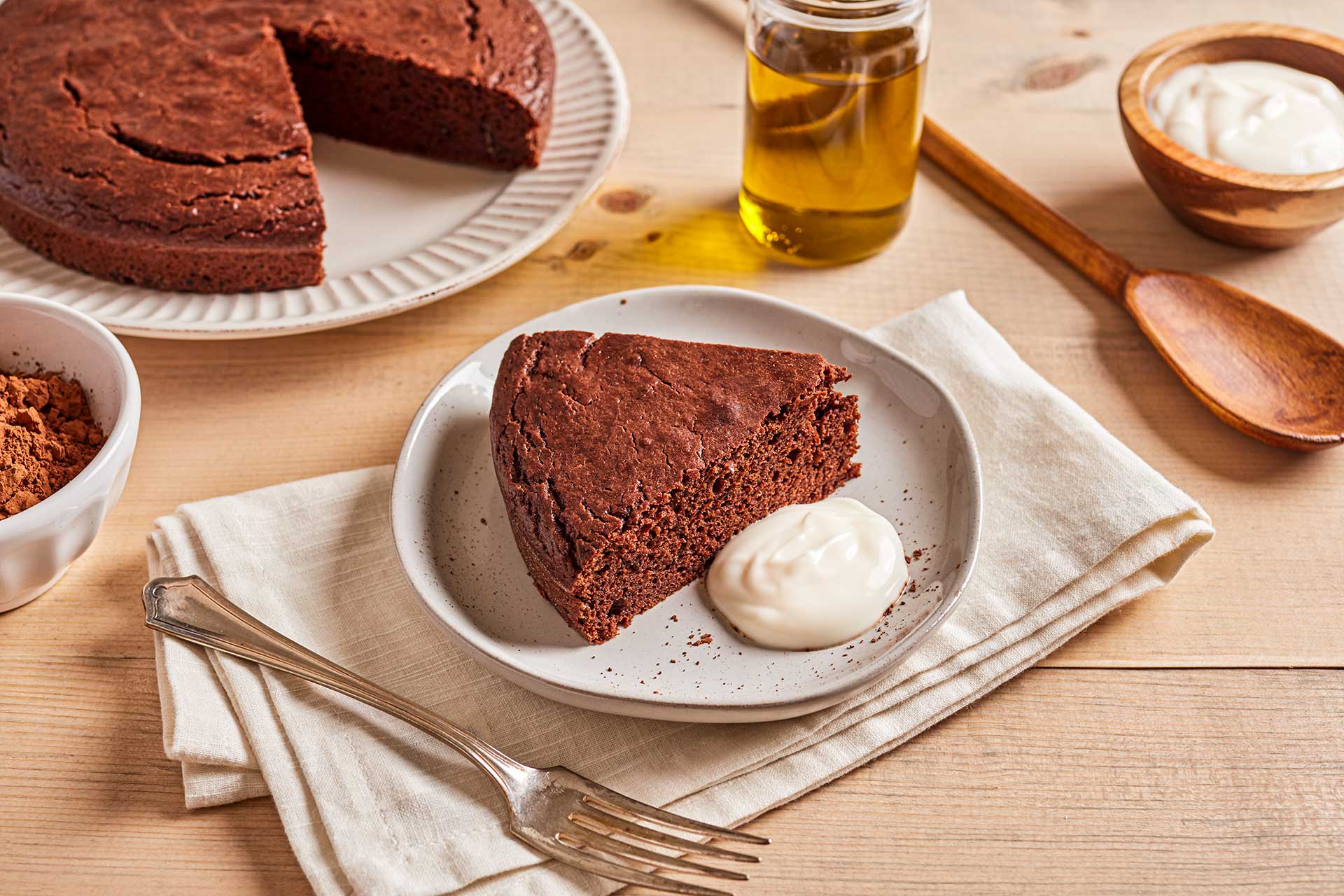
Who says that you can’t make a delicious cake without using any butter? Here in Italy, it’s pretty common to bake sweets with olive oil, and this chocolate coffee cake recipe is the perfect demonstration that a cake can be mouth-watering and heavenly satisfying even without containing a lot of saturated fats.
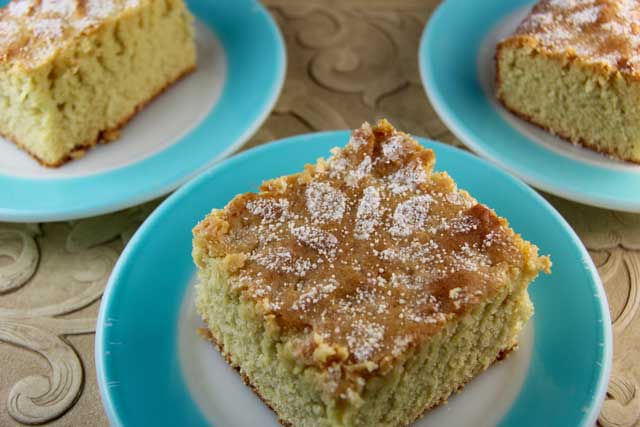
This Greek Lemon Olive Oil Cake from our favorite cookbook author, Koula Barydakis, is perfectly moist and full of zesty lemon flavor. It can be eaten as a dessert, breakfast or a snack and has been a hit with both our friends and family.
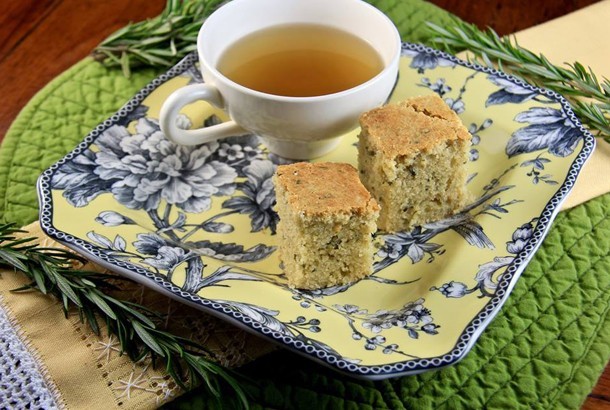
Thanks so much to our dear friend and herbalist, Brittany Wood Nickerson for contributing this great Rosemary Olive Oil Teacakes recipe. This is a healthier version of cake with the addition of olive oil and herbs. We tried it ourselves and it was truly delicious! An added benefit is that it is very easy; you could make it with your kids for a fun baking project.
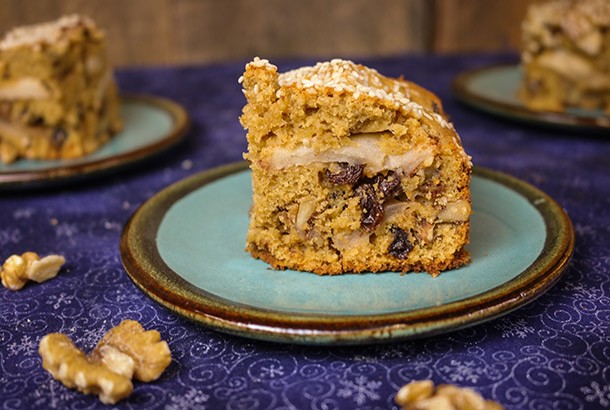
In Crete, we use olive oil for everything, including baking sweets (Mediterranean Diet recipes classically use olive oil for baking). This cinnamon walnut apple cake has been baked for special occasions in my family for generations. Even though we have fruit for dessert on most nights, we will make this as a treat when we are celebrating. Olive oil makes for velvety and moist baked goods and I would highly recommend it for most of your baking needs. One tip is to try to get a buttery or fruity flavored olive oil when you are baking. Eat this cake with afternoon tea or coffee or after a light meal.
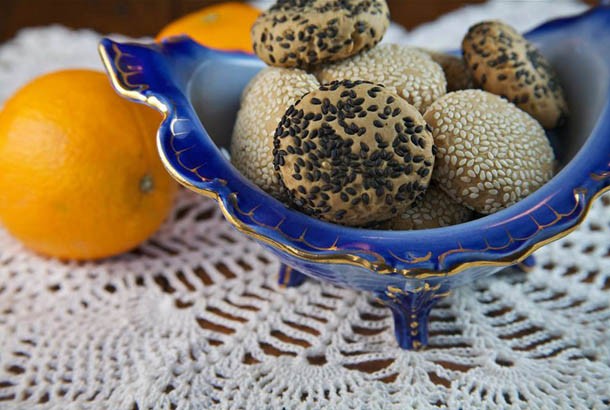
These delightful Orange Sesame Cookies are baked with olive oil which makes them moist on the inside and slightly crispy on the outside. Are they a Mediterranean Diet breakfast recipe or a dessert? Well, they are both. Perfect when you are on the run in the morning, grab a few cookies and a cup of coffee on your way to work, or enjoy them after dinner with some herbal tea.
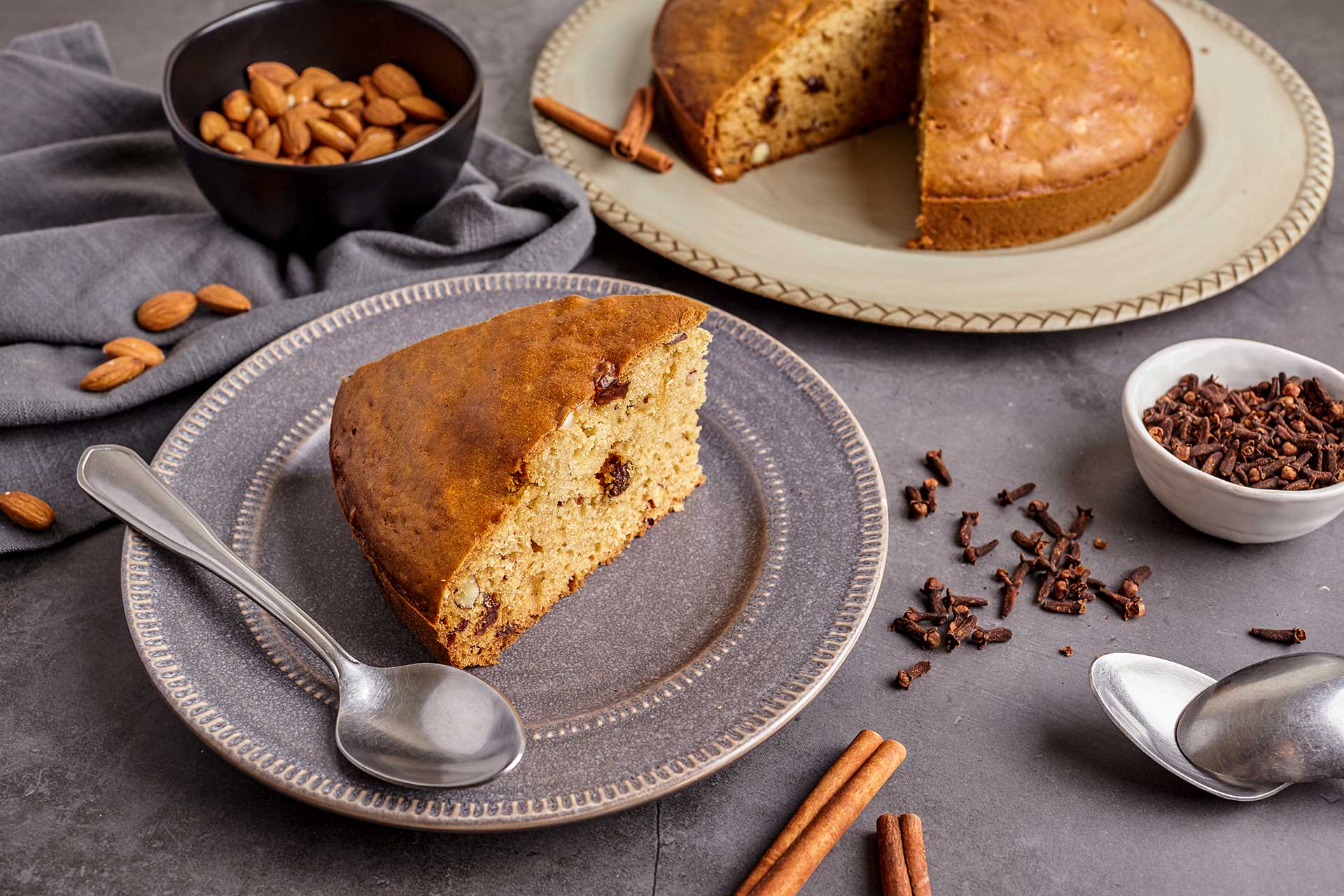
Cooks all over the Mediterranean bake sweets with olive oil. When baking sweet treats you want to have an olive oil with a buttery taste. Oils with a strong “olivey” taste might not work as well for sweets, but are great for breads and savory treats. This almond cake makes a great dessert served with tea or coffee after a light meal. Cinnamon, walnuts and raisins give this cake incredible flavor and is packed so nutrient packed you can have it even as a Mediterranean Diet breakfast.





Thank you so much for such wonderful recipes. So excited to start trying to me one by one! Blessings to you.