Post Thanksgiving Mediterranean 3 Day Cleanse
By Mediterranean Living
Updated November 27, 2026
Thanksgiving is one of our favorite times of the year. There is something wonderful about gathering around a table with family and friends, sharing delicious food and celebrating everything we are grateful for.
However, after several days of rich meals, desserts, leftovers and perhaps a few extra glasses of wine, many of us find ourselves craving something a little different.
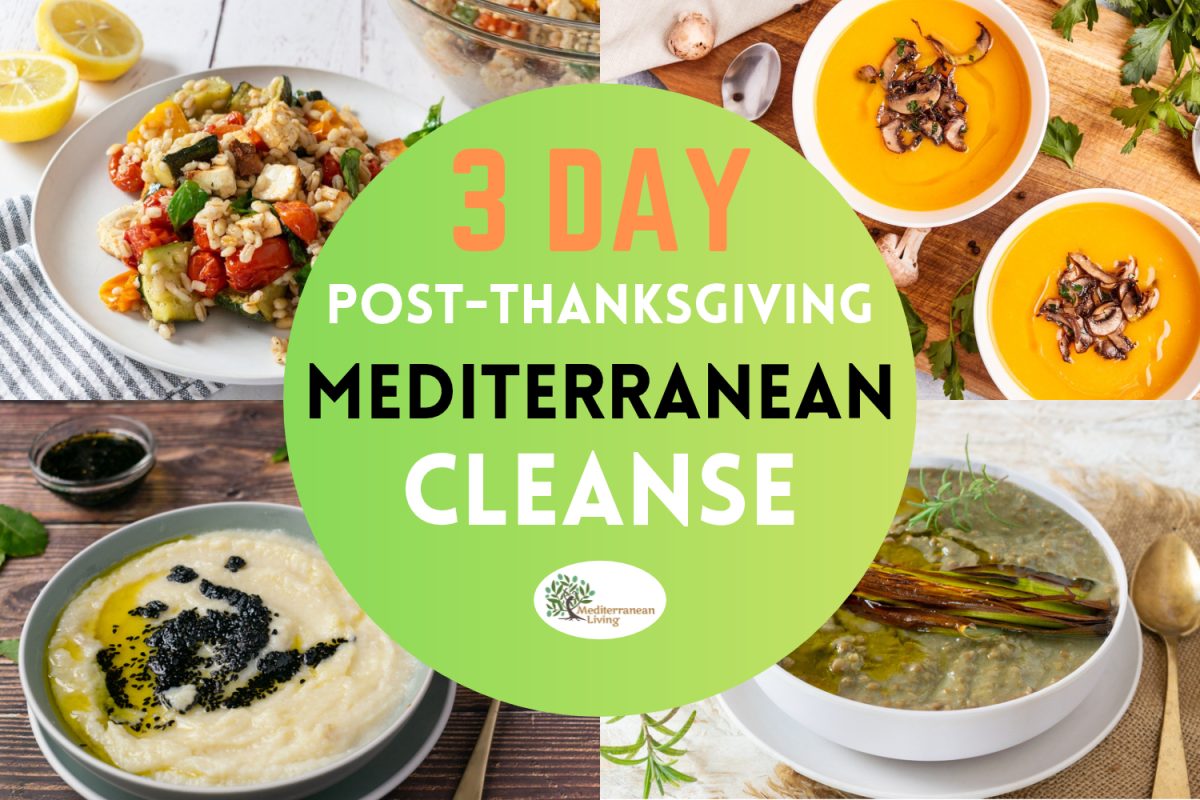
That’s where our Mediterranean 3 Day Cleanse comes in.
Unlike traditional detox programs, this cleanse doesn’t involve drinking nothing but juice, skipping meals or purchasing expensive supplements. Instead, we are going to spend three days nourishing our bodies with delicious, wholesome Mediterranean food.
Think hearty vegetable soups, leafy greens, fiber-rich legumes, whole grains, fresh herbs and generous amounts of extra virgin olive oil.
Along the way, we’ll explore what cleansing actually means, how food supports your body’s natural detoxification processes and why the Mediterranean Diet is such a wonderful way to get back into a healthy routine after the holidays.
We’ve also included 12 of our favorite Mediterranean recipes and a sample 3 Day Cleanse meal plan to help you get started.
What Constitutes a Cleanse?
When you hear the word cleanse, you might immediately think of green juices, detox teas, fasting or restrictive diets that promise to flush toxins from your body.
But what does it actually mean to cleanse?
There is a legitimate physiological process of cleansing and detoxification. However, it looks quite different from what many commercially marketed cleanses claim to do.
Your body is constantly working to process and eliminate potentially harmful substances. Your liver, kidneys, lungs and gastrointestinal tract all play important roles in this process.
The liver processes alcohol, medications and various substances produced through normal metabolism. Your kidneys filter your blood and eliminate waste through urine. Your digestive system removes waste through bowel movements, while your lungs eliminate carbon dioxide.
These processes happen every single day, whether or not you are following a detox diet.
There is little convincing scientific evidence that commercial juice cleanses, detox teas or cleansing supplements significantly enhance these processes in healthy people.
However, changing the way you eat can have very real effects on how your body functions.
By eating more whole foods and fewer highly processed foods, you can provide your body with the nutrients it needs to carry out its natural processes.
Rather than trying to force your body to detox, we believe a more beneficial approach is to create the conditions that allow your body to function at its best.
What Happens to Your Body When You Start Eating Clean?
When we talk about eating clean, we aren’t suggesting that certain foods are inherently dirty or bad. Instead, we’re referring to a way of eating that emphasizes whole and minimally processed foods.
This means eating more vegetables, fruits, beans, whole grains, nuts and healthy fats while reducing our intake of added sugars, excessive sodium, alcohol and ultra-processed foods.
When these changes become part of your daily routine, they can influence nearly every major system in your body.
Better Digestive Health
Vegetables, fruits, beans and whole grains provide dietary fiber, which helps promote regular bowel movements and supports digestive health.
Fiber also feeds beneficial bacteria in your gut. As these bacteria break down certain types of fiber, they produce compounds called short-chain fatty acids that help support the intestinal barrier and overall health.
Reduced Inflammation and Oxidative Stress
Many traditional Mediterranean foods contain polyphenols, which are naturally occurring plant compounds. Extra virgin olive oil, leafy greens, berries, herbs and nuts are particularly valuable sources.
Over time, a dietary pattern rich in these foods may help reduce chronic inflammation and support your body’s natural antioxidant defenses.
Healthier Cholesterol Levels
Replacing foods rich in saturated fat with foods containing unsaturated fats, such as extra virgin olive oil and nuts, can help lower LDL cholesterol.
Additionally, soluble fiber from foods like beans, oats and barley can help reduce cholesterol levels by increasing the elimination of bile acids through the digestive tract.
When maintained over time, these dietary changes may also help improve ApoB levels, an important marker of cardiovascular risk.
Improved Blood Sugar Regulation
Meals containing fiber, protein and healthy fats can help slow digestion and moderate the rise in blood sugar that occurs after eating.
Over a longer period, a balanced Mediterranean Diet may also help improve insulin sensitivity and metabolic health.
Support for Your Liver and Kidneys
Reducing alcohol consumption and excessive calorie intake can help reduce metabolic stress on the liver. Over time, healthy dietary changes may also help decrease excess liver fat in some individuals.
Drinking sufficient water supports normal kidney function, while eating a varied diet provides nutrients that your body needs for normal metabolism.
Better Appetite Regulation
One of our favorite things about the Mediterranean Diet is how satisfying the food can be.
When we combine fiber-rich vegetables and whole grains with protein and healthy fats, we create meals that help us feel comfortably full. This can make it easier to recognize our natural hunger and fullness cues without deliberately restricting calories.
Less Fluid Retention
After several days of eating salty holiday foods, some people experience temporary bloating or water retention.
Returning to a balanced diet, staying hydrated and reducing excessive sodium intake may help your body return to its normal fluid balance.
How Quickly Can a Cleanse Make a Difference?
Can three days of healthy eating really make a difference?
While three days won’t reverse years of unhealthy habits, some physiological changes can begin surprisingly quickly. More substantial benefits, however, generally require consistent changes over weeks, months and years.
1 to 3 Days
Changes in blood sugar responses, digestive activity and fluid balance may begin. Returning to regular meals, drinking sufficient water and reducing excessive sodium intake may also help you feel more comfortable after the holidays.
3 to 7 Days
Your gut microbiome can begin responding to changes in your diet within days. A small study comparing a Mediterranean Diet with a fast-food diet observed changes in gut bacteria and their metabolites after just four days.
Some people may also begin noticing changes in appetite and digestive regularity.
1 to 2 Weeks
Depending on your previous eating habits and individual health, improvements in blood pressure, blood sugar regulation and triglyceride levels may begin to occur.
3 to 4 Weeks
Consistent dietary changes may lead to measurable improvements in LDL cholesterol and other markers of cardiovascular health. Research has also observed changes in cholesterol and the gut microbiome following four weeks of Mediterranean eating.
8 to 12 Weeks and Beyond
Maintaining healthy eating habits over a longer period may produce more substantial improvements in blood sugar regulation, liver fat, cardiovascular health and body composition.
These timelines are approximate, and individual experiences will vary. The goal of our 3 Day Cleanse isn’t to promise dramatic results overnight. Instead, it is to help you take the first steps toward changes that can benefit your health for years to come.
What Are the Best Foods to Cleanse With?
Some foods contain nutrients and naturally occurring compounds that participate in the body’s normal detoxification, antioxidant and digestive processes.
Fortunately, many of these foods are staples of the traditional Mediterranean Diet.
Cruciferous Vegetables
Broccoli, cauliflower, cabbage and Brussels sprouts contain compounds called glucosinolates. When broken down, these compounds can influence enzymes involved in cellular protection and the processing of certain substances.
Garlic and Onions
Garlic and onions contain sulfur compounds that participate in various cellular protective pathways. They also provide tremendous flavor and are the foundation of countless Mediterranean recipes.
Leafy Greens
Kale, spinach, chicory and other leafy greens provide fiber, folate, magnesium and a variety of protective plant compounds.
In many Mediterranean countries, cooked greens are enjoyed regularly with extra virgin olive oil, garlic and lemon juice.
Beans and Lentils
Legumes provide plant-based protein and an abundance of dietary fiber. This combination supports digestive health, helps feed beneficial gut bacteria and makes meals more satisfying.
They are also among the most affordable and versatile foods you can incorporate into a Mediterranean 3 Day Cleanse.
Whole Grains
Barley, oats, bulgur and other whole grains provide fiber, vitamins and minerals. Barley and oats are particularly rich in beta-glucan, a type of soluble fiber that can help lower LDL cholesterol when consumed regularly.
Berries and Other Fruits
Berries provide polyphenols that support cellular antioxidant defenses. Other fruits, such as apples, pears, oranges and pomegranates, offer additional fiber, vitamins and beneficial plant compounds.
Enjoying whole fruit is also a wonderful alternative to drinking large quantities of juice during a cleanse.
Extra Virgin Olive Oil
Extra virgin olive oil is the primary cooking fat in many traditional Mediterranean diets. It provides monounsaturated fats and polyphenols that can contribute to cardiovascular health and help support healthy inflammatory responses.
We encourage you to use olive oil to prepare vegetables, dress salads, cook legumes and bring flavor to your meals throughout the cleanse.
Eggs, Nuts and Seeds
Eggs provide choline, a nutrient involved in normal liver metabolism. Nuts and seeds provide healthy fats, protein, minerals and fiber.
These foods help ensure that your cleanse is nourishing and satisfying rather than unnecessarily restrictive.
Water
Although it isn’t technically a food, water is an essential part of any healthy eating plan.
Staying adequately hydrated supports normal kidney function, digestion and temperature regulation. Plain water, sparkling water and unsweetened herbal teas are all excellent options.
None of these foods magically flush toxins from your body. Instead, they provide nutrients that help support the normal physiological processes already taking place.
Why Is the Mediterranean Diet a Good Diet to Cleanse With?
The Mediterranean Diet is one of the most extensively studied dietary patterns in the world. Research has associated Mediterranean eating with a lower risk of cardiovascular disease, type 2 diabetes and other chronic health conditions.
Unlike many detox diets, the Mediterranean Diet doesn’t require you to eliminate entire food groups, count every calorie or survive on a limited selection of foods.
Instead, it encourages abundance and variety.
A traditional Mediterranean meal might include a generous serving of vegetables cooked in olive oil, a bowl of lentil soup, a slice of whole grain bread and a piece of fresh fruit.
These foods provide the fiber, protein, healthy fats, vitamins and minerals that your body needs to function properly.
Furthermore, the Mediterranean Diet is designed to be sustainable. You don’t need to return to your previous eating habits once your cleanse is over. You can continue enjoying these foods every day.
Our Mediterranean 3 Day Cleanse Guidelines
For the next three days, we encourage you to focus on the following simple habits:
- Eat an abundance of vegetables and a variety of fruits.
- Include beans, lentils and whole grains in your meals.
- Use extra virgin olive oil as your primary cooking fat.
- Include adequate protein from legumes, fish, eggs or poultry.
- Enjoy nuts, seeds and plain yogurt.
- Drink sufficient water throughout the day.
- Take a break from alcohol and sugary beverages.
- Reduce your consumption of ultra-processed foods and added sugars.
- Take a walk each day and prioritize a good night’s sleep.
- Eat enough food to feel comfortably satisfied.
There is no need to fast, purchase detox supplements, take laxatives or severely restrict your calorie intake.
Most importantly, remember that enjoying Thanksgiving dinner is not something you need to compensate for. This cleanse is simply an opportunity to return to habits that help you feel your best.
12 Mediterranean Recipes for Your 3 Day Cleanse
We’ve selected 12 of our favorite Mediterranean recipes to help you get started. Each celebrates wholesome ingredients that provide your body with important nutrients while making healthy eating a pleasure.
From comforting autumn soups to traditional vegetable dishes and satisfying breakfasts, there is plenty to enjoy throughout your three days.
You’ll find a complete sample meal plan after the recipes.
1. Briam

Briam is a traditional Greek vegetable dish that beautifully captures the simplicity of Mediterranean cooking. A colorful assortment of vegetables is baked in extra virgin olive oil until tender and full of flavor.
This dish belongs to a category of Greek recipes known as lathera, which refers to foods cooked in olive oil. These vegetable-rich meals have long been staples of traditional Greek cuisine.
Briam is a delicious way to increase your vegetable intake during your 3 Day Cleanse. Serve it alongside lentils, chickpeas or fish for a satisfying and balanced meal.
2. Barley Salad with Feta and Roasted Vegetables
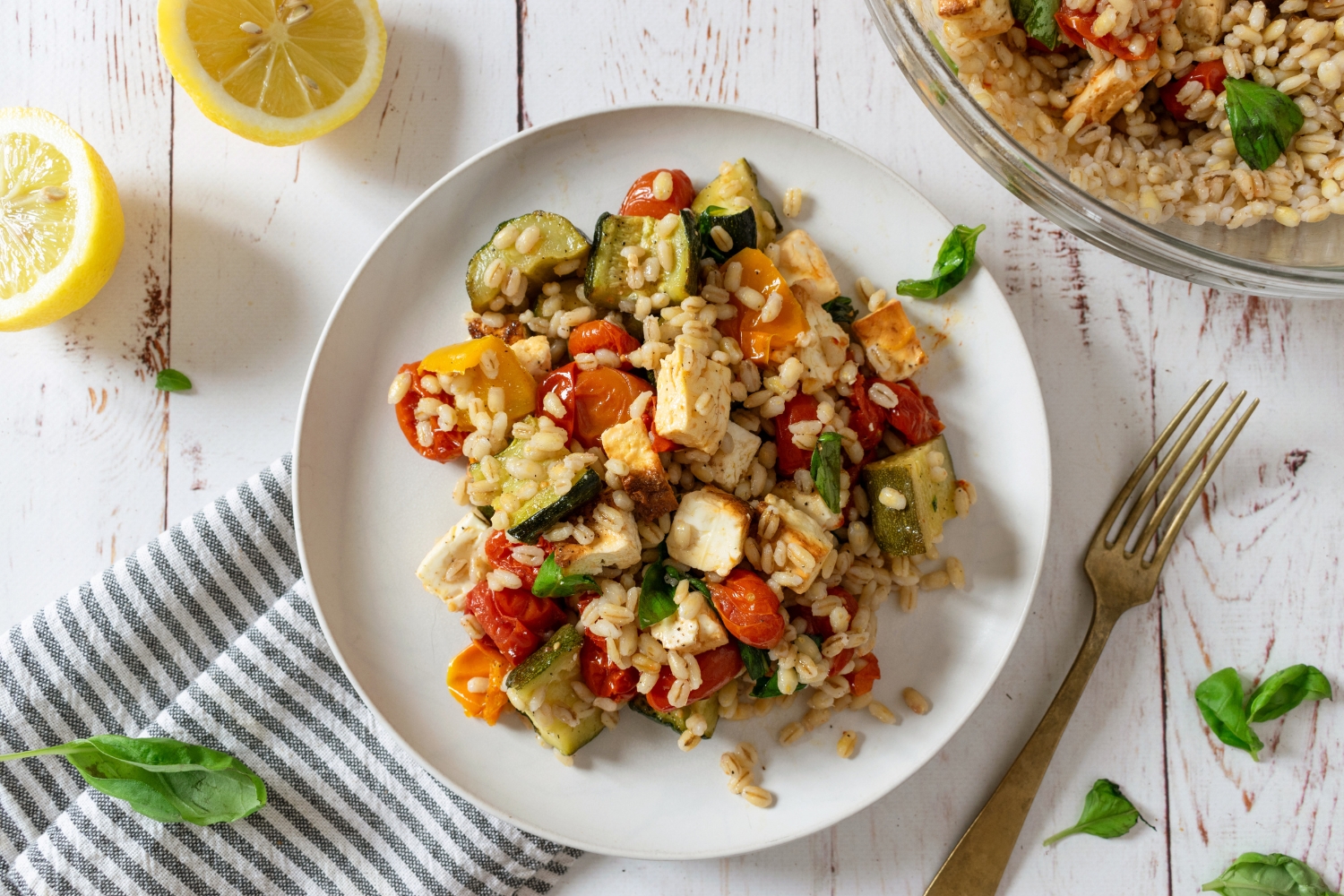
Barley is one of our favorite whole grains for supporting digestive and cardiovascular health. It contains beta-glucan, a soluble fiber that can help lower cholesterol and moderate blood sugar responses.
In this satisfying Mediterranean salad, barley comes together with roasted vegetables and feta cheese to create a wonderful combination of flavors and textures.
Prepare a batch ahead of time and enjoy it for lunch throughout your cleanse. It also makes a delicious accompaniment to soups and roasted vegetables.
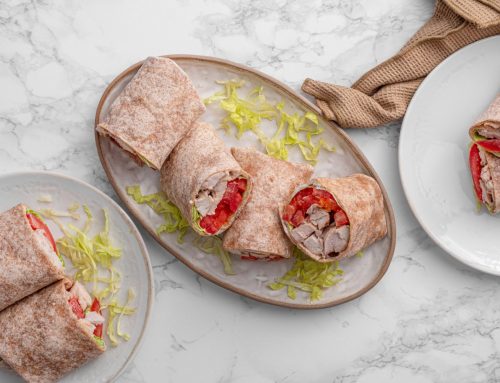
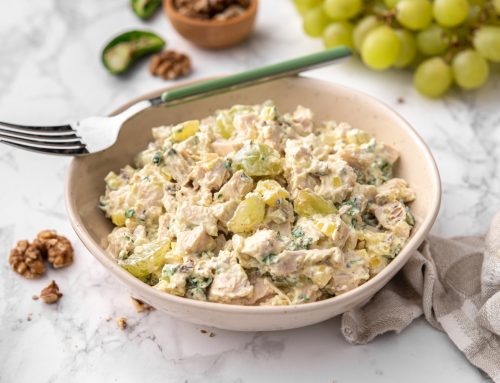
3. Balsamic Chicken Salad with Kale
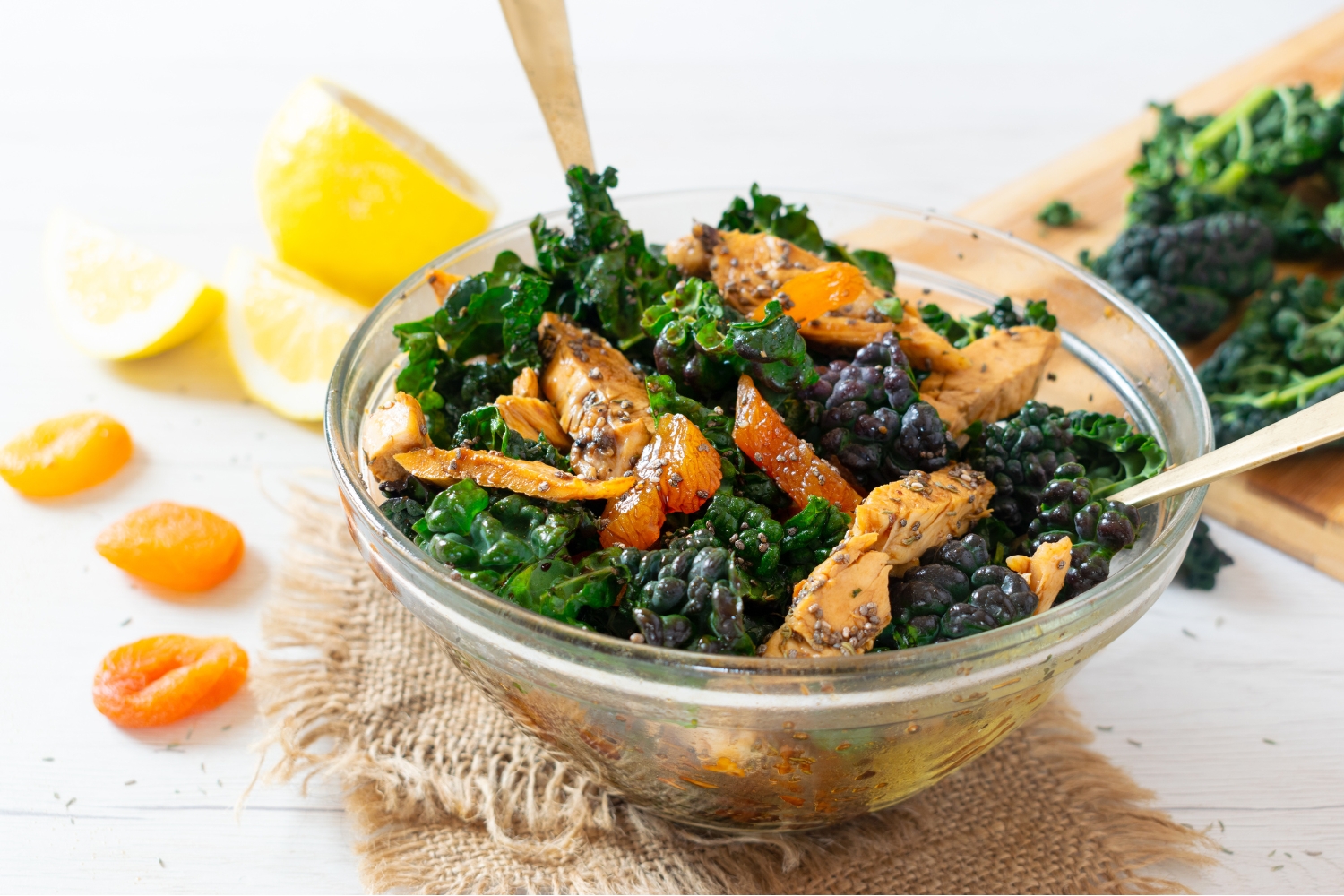
Eating more vegetables doesn’t mean you need to sacrifice protein. This balsamic chicken salad combines leafy greens with satisfying chicken for a nourishing Mediterranean meal.
Kale provides fiber, vitamin C, vitamin K and a variety of protective plant compounds. Meanwhile, chicken provides protein that helps support muscle maintenance and appetite regulation.
It’s an excellent choice for anyone looking for a refreshing but substantial lunch after Thanksgiving. You could even adapt the recipe to use safely stored leftover Thanksgiving turkey.
4. Italian Lentil Soup with Rosemary Oil and Roasted Leek
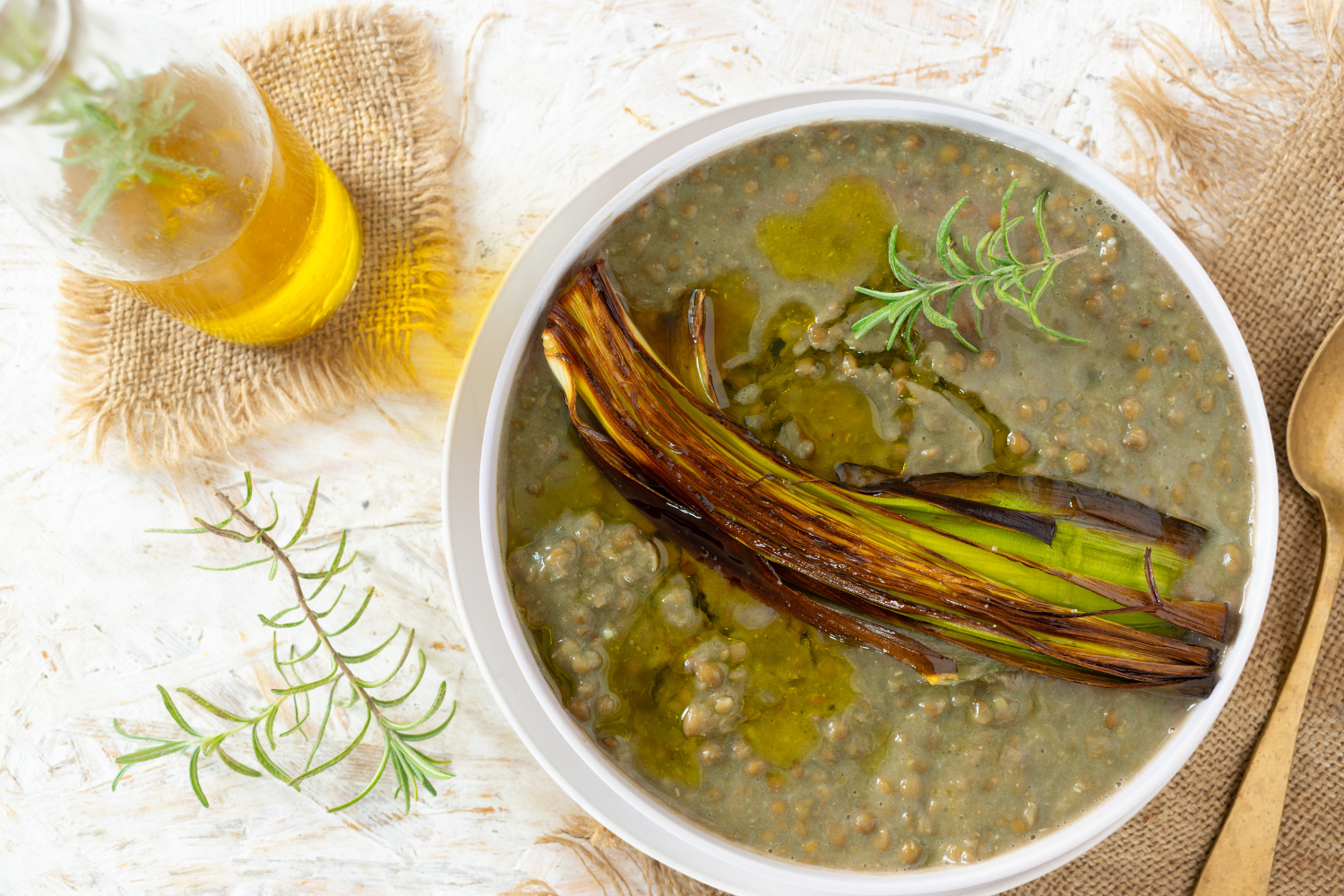
A warm bowl of lentil soup is one of our favorite meals to enjoy during the colder months. This Italian recipe combines nourishing lentils with fragrant rosemary oil and roasted leek.
Lentils are an excellent source of plant-based protein and dietary fiber. They also provide iron, folate and other nutrients that support normal metabolism.
Make a large pot at the beginning of your cleanse and enjoy the leftovers over the following days. Serve with a slice of whole grain bread and a generous portion of cooked greens.
5. Creamy Cauliflower Soup
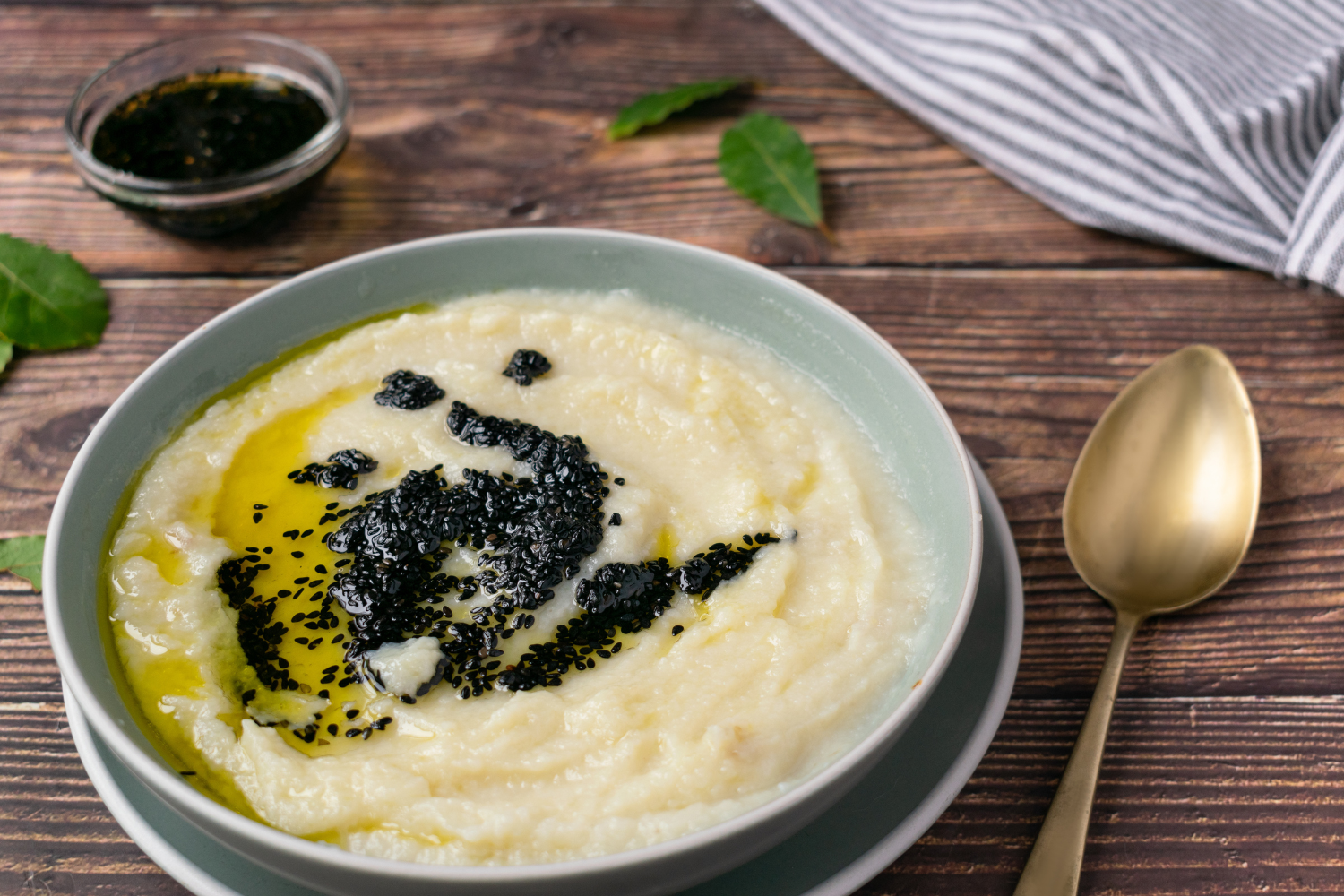
Cauliflower is a member of the cruciferous vegetable family, making it a wonderful addition to a whole food cleanse.
This creamy cauliflower soup combines cauliflower and potatoes with the distinctive flavor of black sesame oil. It is comforting, flavorful and especially appealing on a chilly November afternoon.
Rather than relying on liquid-only meals throughout your cleanse, enjoy this soup alongside a protein-rich dish, such as lentils, chickpeas or fish, for a more balanced meal.
6. Pumpkin Soup with Sautéed Mushrooms
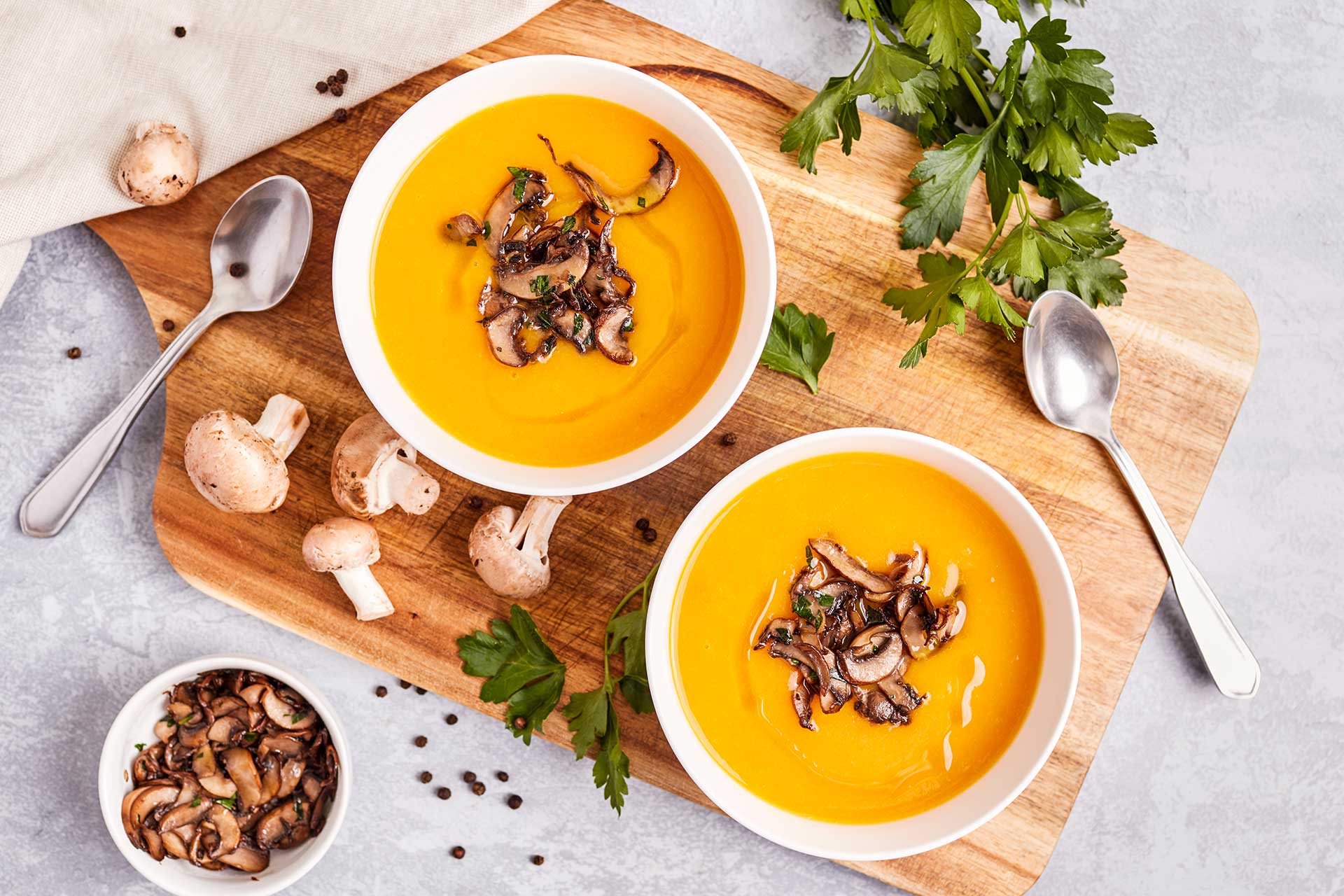
Thanksgiving may be over, but pumpkin season certainly isn’t. This beautiful pumpkin soup with sautéed mushrooms is a celebration of autumn flavors.
Pumpkin provides fiber and beta-carotene, which your body can convert into vitamin A. Mushrooms contribute additional nutrients and a wonderfully savory flavor.
This soup makes a lovely lunch or a warming first course before a Mediterranean dinner. Pair it with a barley salad or a serving of legumes to create a satisfying meal.
7. Lebanese Breakfast Bulgur Cereal with Fruit and Nuts

There is no reason to skip breakfast during a cleanse. In fact, starting the morning with a nourishing meal can help set the tone for the rest of your day.
This traditional Lebanese breakfast features bulgur, fruit and nuts. Together, these ingredients provide fiber, complex carbohydrates, healthy fats and a variety of important nutrients.
It’s a delicious alternative to highly processed breakfast cereals and a wonderful introduction to the diversity of Mediterranean breakfasts. Add some plain Greek yogurt if you’d like additional protein.
8. Avocado Toast with Smoked Salmon, Fresh Dill and Capers
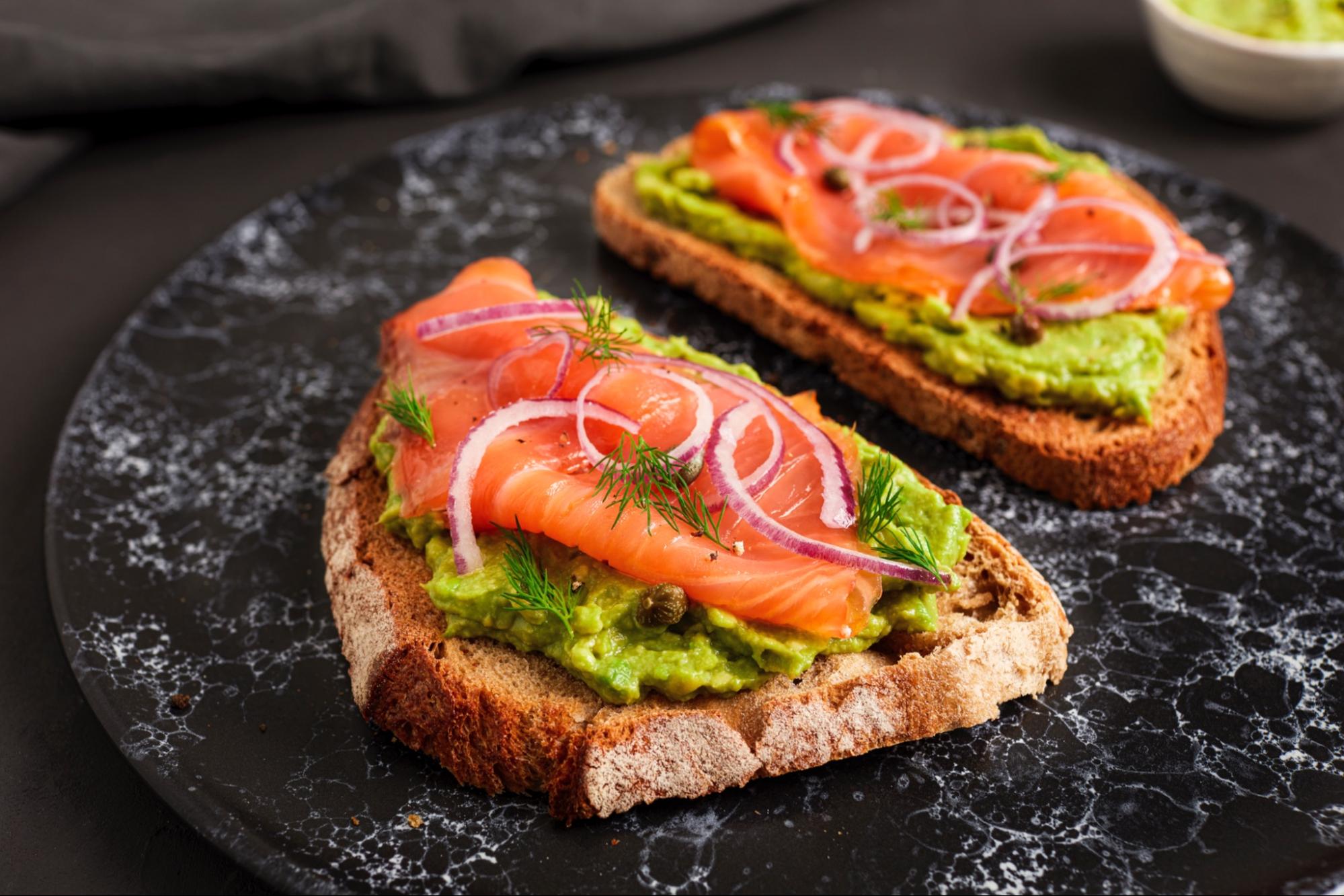
This flavorful avocado toast offers a wonderful combination of healthy fats, protein and fresh ingredients.
Avocados provide monounsaturated fats and fiber, while salmon provides protein and omega-3 fatty acids. Fresh dill and capers give this simple breakfast a distinctly Mediterranean character.
Serve it on whole grain bread for additional fiber. Since smoked salmon and capers can contain considerable sodium, you can also substitute leftover cooked salmon and adjust the amount of capers to your taste.
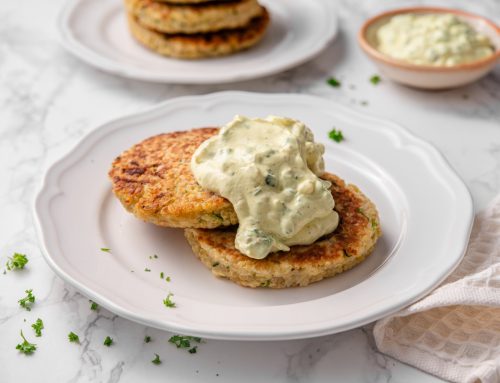
9. Baked Falafel Bowl with Green Tahini Dressing
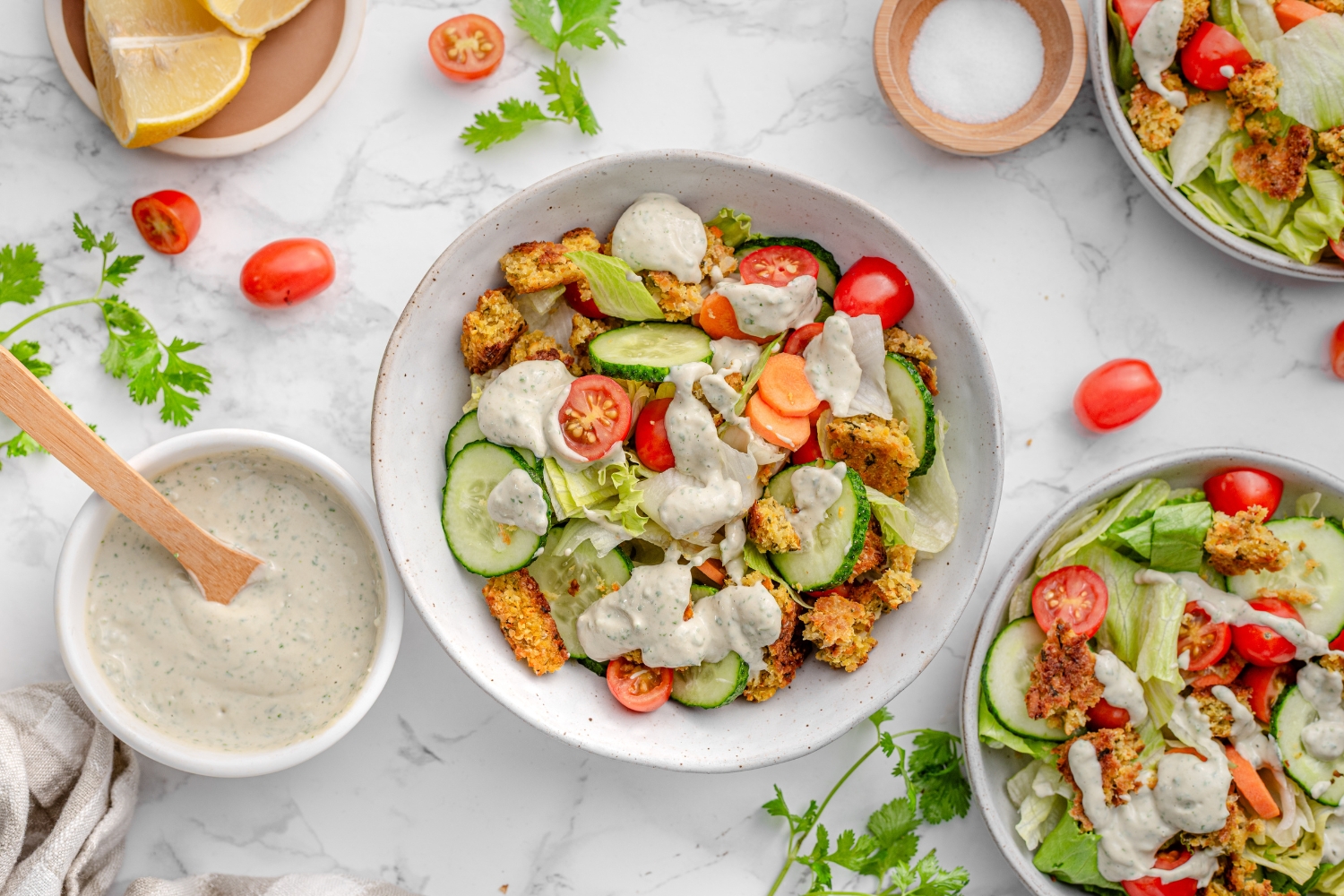
If you think a cleanse has to be boring, this colorful falafel bowl might change your mind.
Chickpeas provide plant-based protein and fiber, while tahini contributes unsaturated fats and minerals. Combined with fresh vegetables and herbs, they create a meal that is both nourishing and incredibly flavorful.
This is exactly the kind of satisfying, plant-rich meal we love to encourage during a Mediterranean 3 Day Cleanse.
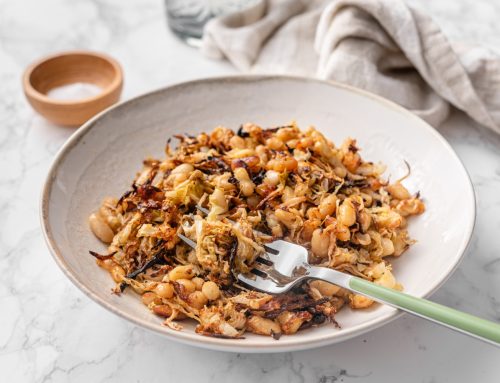
10. Sautéed Chicory Greens Southern Italian Style
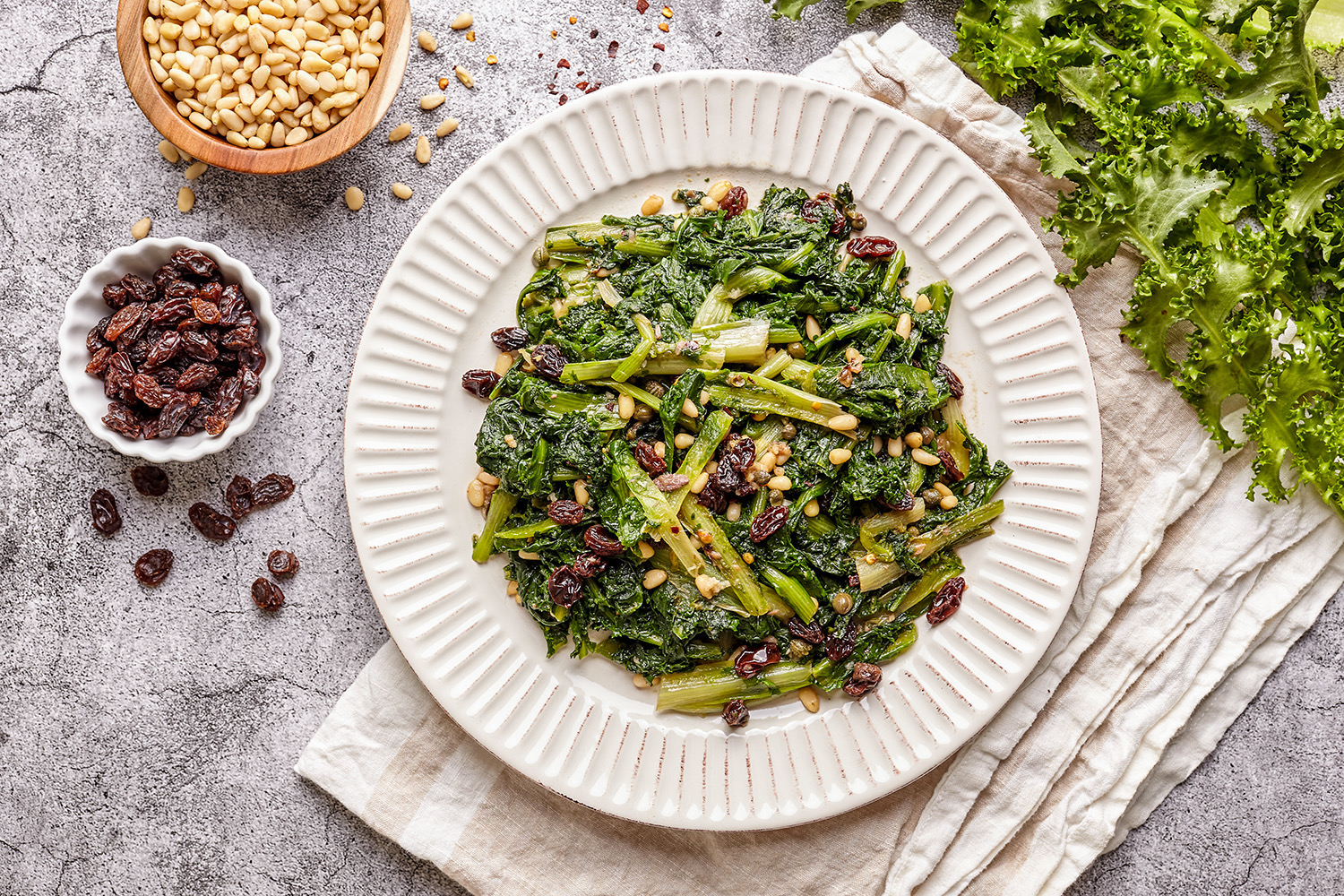
Throughout the Mediterranean, leafy greens have been a staple of traditional diets for generations.
Chicory has a distinctive, slightly bitter flavor that pairs beautifully with extra virgin olive oil and other Mediterranean ingredients. It also provides fiber and a variety of beneficial plant compounds.
This Southern Italian preparation is a wonderful way to explore a vegetable that many of us don’t eat regularly. Enjoy it alongside lentil soup, roasted vegetables or a Mediterranean chickpea stew.
11. Lemon Broccoli with Pecorino
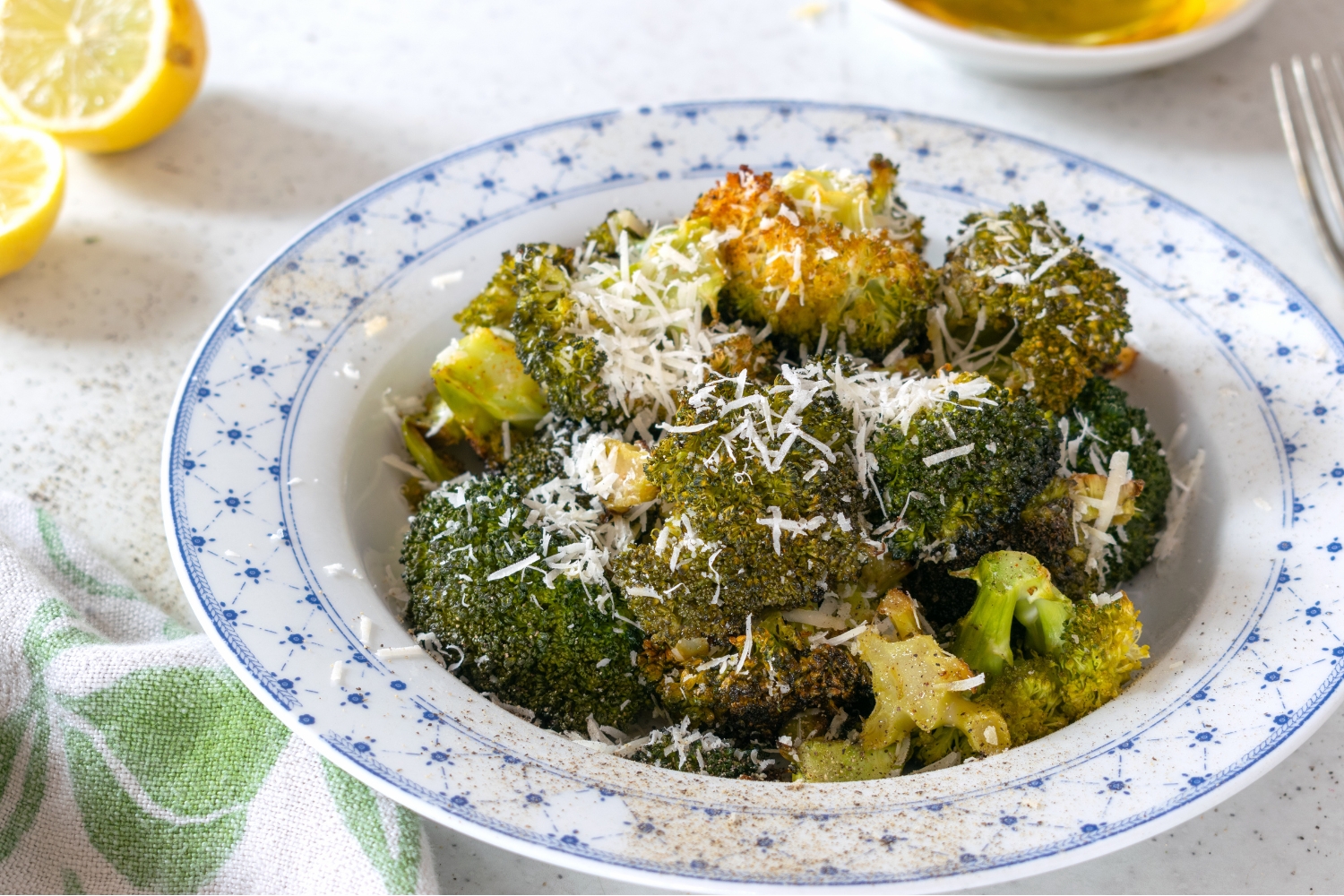
Broccoli is an excellent vegetable to incorporate into your 3 Day Cleanse. As a cruciferous vegetable, it contains fiber, vitamin C and compounds involved in cellular protective processes.
In this recipe, lemon and Pecorino cheese bring brightness and savory richness to a simple vegetable dish.
We love recipes like this because they demonstrate how easy it can be to make vegetables genuinely delicious. Serve this broccoli with your favorite Mediterranean main dish or alongside a comforting bowl of soup.
12. Mediterranean Chickpea Stew with Spinach, Dill and Turmeric
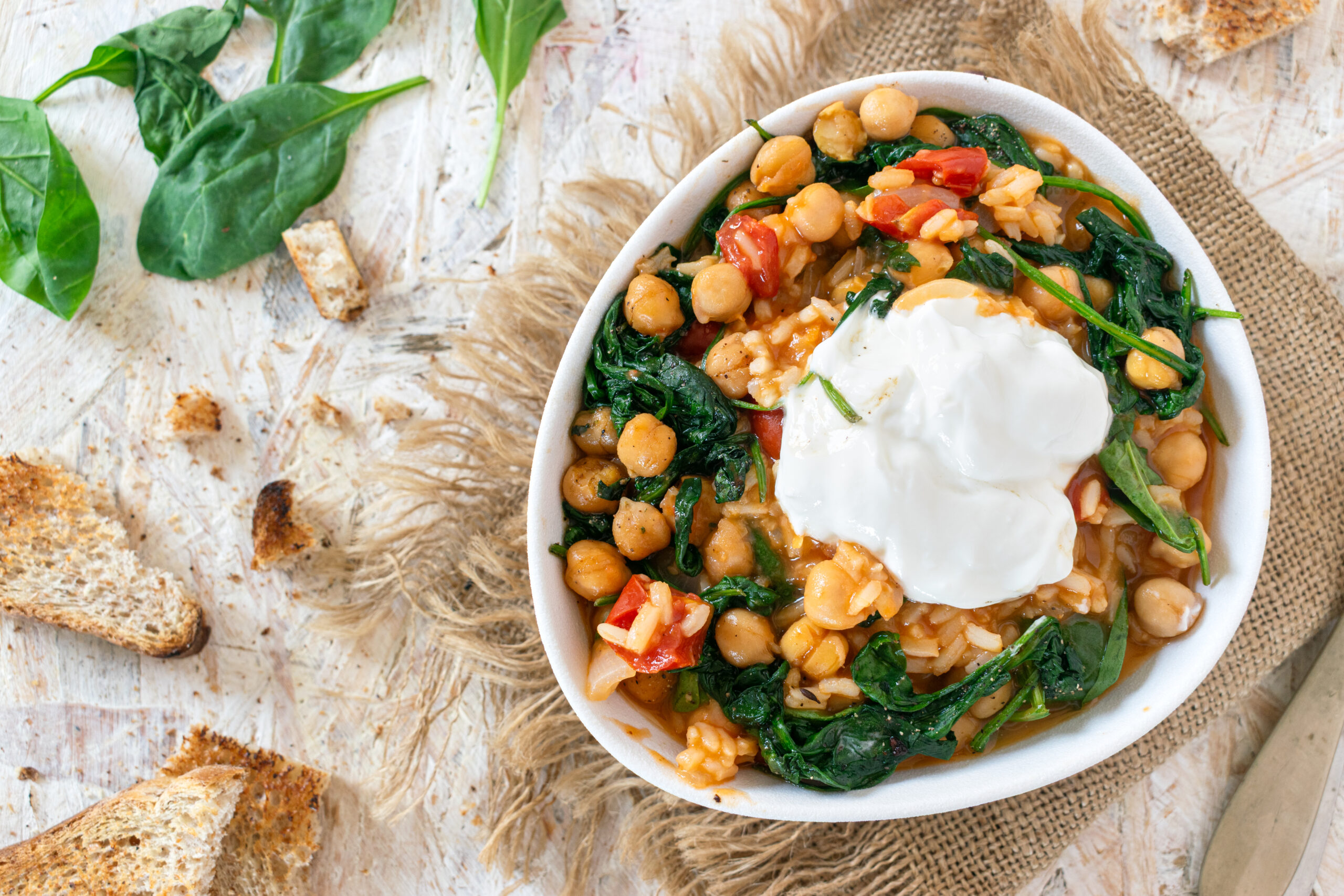
This Mediterranean chickpea stew brings together many of the ingredients we’ve discussed throughout this article.
Chickpeas provide fiber and plant-based protein, spinach contributes vitamins and minerals, and turmeric contains naturally occurring plant compounds that have been studied for their antioxidant and anti-inflammatory properties.
Fresh dill adds a beautiful layer of flavor, making this stew a comforting and satisfying meal.
It’s a wonderful example of how Mediterranean cooking combines nutritious ingredients without sacrificing enjoyment. Serve it with whole grain bread or a portion of barley for a hearty dinner.
Your Post Thanksgiving Mediterranean 3 Day Cleanse Meal Plan
Ready to get started? We’ve put together a simple three-day meal plan using the recipes above.
This plan is intended to provide inspiration rather than strict rules. Feel free to switch meals around, enjoy leftovers, adjust portion sizes and add snacks whenever you’re hungry.
Day 1: Return to the Mediterranean
On the first day, focus on returning to regular, nourishing meals and staying adequately hydrated.
- Breakfast: Lebanese Breakfast Bulgur Cereal with Fruit and Nuts, with plain Greek yogurt.
- Lunch: Balsamic Chicken Salad with Kale.
- Dinner: Italian Lentil Soup with Rosemary Oil and Roasted Leek, served with Sautéed Chicory Greens and whole grain bread.
- Snack: An apple and a handful of walnuts.
Daily habit: Enjoy a relaxed walk after one of your meals.
Day 2: Nourish Your Gut
On the second day, enjoy a variety of vegetables, legumes and whole grains to provide dietary fiber and nourish your gut microbiome.
- Breakfast: Avocado Toast with Smoked Salmon and a piece of fresh fruit.
- Lunch: Baked Falafel Bowl with Green Tahini Dressing.
- Dinner: Greek Briam with Creamy Cauliflower Soup and a serving of white beans or leftover lentils.
- Snack: Plain Greek yogurt with berries.
Daily habit: Put a variety of colorful plant foods on your plate and eat slowly enough to enjoy them.
Day 3: Build Habits That Last
On the final day, focus on how you can carry these healthy eating habits into your everyday life.
- Breakfast: Lebanese Breakfast Bulgur Cereal, with plain Greek yogurt or milk.
- Lunch: Pumpkin Soup with Sautéed Mushrooms and Barley Salad with Feta and Roasted Vegetables.
- Dinner: Mediterranean Chickpea Stew with Spinach, Dill and Turmeric, served with Lemon Broccoli with Pecorino and whole grain bread.
- Snack: An orange and a handful of almonds.
Daily habit: Choose two or three Mediterranean recipes that you’d like to continue making in the weeks ahead.
If you don’t normally eat much fiber, increase your intake gradually. Suddenly eating large quantities of legumes, whole grains and cruciferous vegetables can temporarily cause gas or bloating.
Remember to eat enough to satisfy your hunger. This is not a calorie-restricted meal plan, and you can always enjoy additional portions, snacks or protein-rich foods according to your needs.
Frequently Asked Questions About a 3 Day Cleanse
Does a 3 Day Cleanse Remove Toxins From Your Body?
Your body naturally processes and eliminates waste and potentially harmful substances through your liver, kidneys, lungs and digestive system. There is little evidence that commercial detox diets accelerate this process in healthy individuals.
Our Mediterranean cleanse focuses on providing the nutrients that support normal bodily functions rather than promising to remove unspecified toxins.
Can You Lose Weight During a 3 Day Cleanse?
Some people experience temporary changes in weight after returning to their regular eating habits following Thanksgiving. Much of this may reflect changes in water retention and the amount of food in the digestive tract rather than significant body fat loss.
Weight loss is not the primary goal of our cleanse. Instead, we encourage healthy, sustainable eating habits that can support long-term health.
Can You Drink Coffee During a Mediterranean Cleanse?
Yes. You don’t need to give up coffee during our Mediterranean 3 Day Cleanse. If you already enjoy coffee, you can continue drinking it in moderation, preferably without excessive amounts of added sugar.
Water should remain your primary source of hydration, and unsweetened herbal tea is another wonderful option.
Do You Need to Avoid All Dairy During a Cleanse?
No. Traditional Mediterranean diets often include yogurt and cheese. Plain Greek yogurt can provide protein and calcium, while cheeses such as feta and Pecorino can add tremendous flavor to vegetable dishes.
Unless you have an allergy, intolerance or another medical reason to avoid dairy, there is no need to eliminate it.
What Should You Eat After a 3 Day Cleanse?
One of the best things about a Mediterranean cleanse is that you can continue eating this way once your three days are over.
Keep enjoying vegetables, fruits, beans, whole grains, fish, nuts and extra virgin olive oil. Continue experimenting with new Mediterranean recipes and focus on building a way of eating that you genuinely enjoy.
From a 3 Day Cleanse to a Mediterranean Lifestyle
Perhaps the biggest misconception about cleansing is the idea that we need to periodically remove mysterious toxins that have accumulated in our bodies.
What we are really doing when we eat well is something much more interesting.
We are providing our cells with the nutrients they need for normal maintenance and repair. We are nourishing our gut microbiome, supporting cardiovascular health and helping our bodies regulate blood sugar and cholesterol.
Rather than thinking of cleansing as a process of deprivation, we can think of it as a process of nourishment.
Eating clean isn’t so much about cleaning out your body as it is about creating the conditions for your body to function, repair and regulate itself more effectively.
While three days can be a wonderful starting point, the greatest benefits of the Mediterranean Diet come from practicing these habits consistently over time.
Imagine continuing these changes for 10 days, 20 days or even an entire month. Instead of returning to your previous eating habits, you could use this experience to discover a new way of eating that is delicious, satisfying and sustainable.
At Mediterranean Living, we believe that healthy eating should be one of life’s greatest pleasures. You don’t need to punish yourself for enjoying the holidays, and you don’t need an expensive detox program to take care of your health.
Sometimes, the best place to start is simply with a good meal.
We hope you enjoy our Post Thanksgiving Mediterranean 3 Day Cleanse!


Winter LeBlanc says:
Bill Bradley, R.D. says:
Bill Bradley, R.D. says: